REVIEW · TASHKENT
Tashkent: Cultural Exploration & Pottery Masterclass
Book on Viator →Operated by Craft and Culture · Bookable on Viator
Pottery, history, and lunch in one afternoon. This Tashkent experience pairs a guided look at Silk Road-era crafts with a hands-on Uzbek pottery masterclass, then finishes with a proper Uzbek meal in a calm, garden-like setting. I like that you learn how these traditions link together, not just a pile of facts, and I really like that you get to make something yourself instead of watching from the sidelines.
One thing to plan for: the pottery part ends with decoration, but glazing and pottery shipment are not included, so you’ll want to be ready to carry your finished piece (and understand it may need further finishing later).
In This Review
- Key highlights at a glance
- Why This Tashkent Tour Feels Like a Silk Road Workshop
- Cultural Exploration: Textiles, Dolls, Suzani, and Household Traditions
- The Pottery Masterclass: From Clay Prep to Decoration
- After the Workshop: Non Bread, Palov, Salad, and Tea
- Price and Value: What $85 Includes (and Why That Matters)
- Practical Tips Before You Go (Allergies, Transport, and What’s Not Included)
- Food and allergy reality check
- Pottery logistics
- Comfort for the workshop
- Who Should Book This Tashkent Experience
- Should You Book This Tour?
- FAQ
- How long is the Tashkent cultural exploration and pottery masterclass?
- What does the tour cost?
- Is pickup included?
- Is pottery shipment or glazing included?
- What are the dietary limitations to know before booking?
- Can I cancel for a full refund?
Key highlights at a glance
- Silk Road craft context first: textiles, suzani embroidery history, and ceramic traditions all connect to what you make
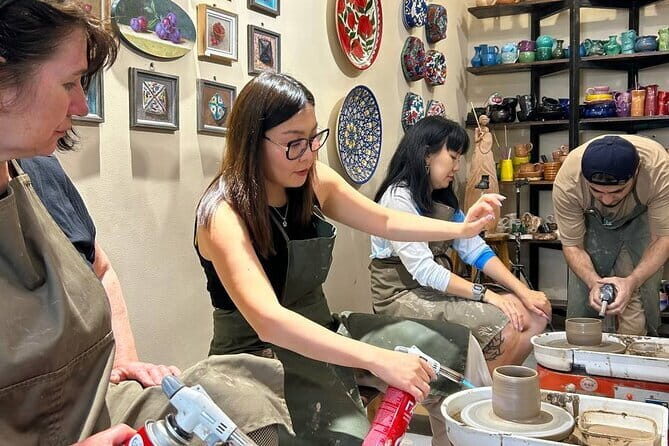
- Real hands-on pottery: clay prep, wheel work, initial drying, shaving, then decoration
- Guide-led culture stop with specifics: Yusuf-style storytelling around household life, weddings, and local superstitions
- A meal that matches the culture lesson: non bread, shakarob & Kuzchi Kayfiyat salad, palov, unlimited green tea
- Comfortable pacing: about 3 hours 30 minutes with cultural time, then studio time, then food time
Why This Tashkent Tour Feels Like a Silk Road Workshop
Tashkent has a way of rewarding the curious. This tour takes that idea and gives it structure: you start with stories about how people lived and worked across centuries, then you switch gears into making a piece of pottery with local artisans. It’s not just craft as decoration. It’s craft as daily life, trade, and identity.
The tour’s biggest win is how it connects the dots. You’ll hear about Silk Road significance, how silk and textiles were produced, and how different ethnic groups shaped local crafts. Then, when you get to the pottery, those ideas make practical sense. You see the materials, the methods, and the design choices as part of a larger tradition.
I also like the human touch. In the reviews, the guide Yusuf shows up as a key part of the day: friendly, easy to talk to, and the kind of person who can explain traditions without turning them into a lecture. That matters. You don’t just hear what to look at. You get help understanding why people cared.
You can also read our reviews of more tours and experiences in Tashkent.

Cultural Exploration: Textiles, Dolls, Suzani, and Household Traditions
Your cultural portion is about an hour, and it’s built like a guided tour through everyday culture—then you zoom out to how those everyday things connect to the larger Silk Road world. Expect a mix of craft topics and social customs, all tied to Uzbekistan’s cultural patterns.
Here’s what you can expect to cover, and what it means when you’re there:
Silk Road significance
This is the big frame. The Silk Road wasn’t one road; it was a network. When you hear about trade routes and cultural exchange, the later craft topics click into place. You understand why designs, materials, and techniques traveled.
Traditional textiles and silk production
Textiles are one of the fastest ways to “feel” a culture. The tour walks you through what makes local textile traditions distinct and how silk production fed both clothing and craft markets.
Traditional doll making and tribal craft differences
Doll making sounds small, but it often carries big symbolism—teaching, representation, and identity. The tour also compares how craft styles differ across groups, which helps you stop seeing crafts as one flat look.
Local superstitions and Uzbek household traditions
This is where the day gets more personal. Superstitions and household traditions are not museum facts; they’re the habits and beliefs people carried. It helps you understand why certain designs, objects, or ceremonies mattered.
Wedding customs
Weddings are one of the loudest expression points for craft and tradition. Even if you’re not attending one, these stories help you see textiles and decoration as part of real life milestones.
Suzani embroidery history
Suzani comes up as an embroidery tradition with deep roots. You’ll get the historical thread, so you can recognize it as more than colorful cloth.
Ceramics and pottery
This is the bridge to your pottery masterclass. You’ll hear about ceramics and pottery enough to understand what you’re about to do with clay, tools, and decoration.
What to watch for while listening: pay attention to how the guide frames designs and materials. If you catch the why, the pottery later becomes easier and more satisfying.
The Pottery Masterclass: From Clay Prep to Decoration
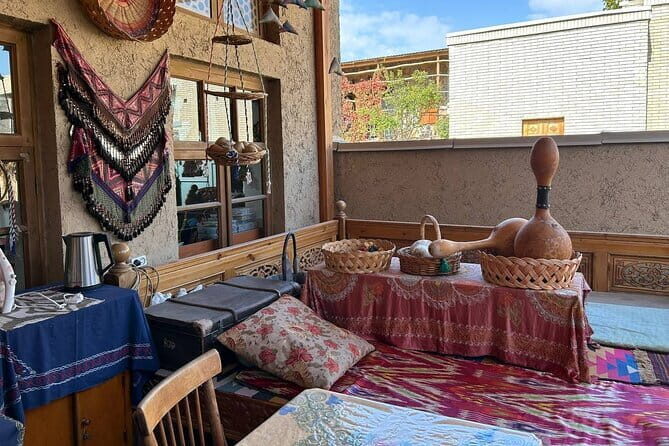
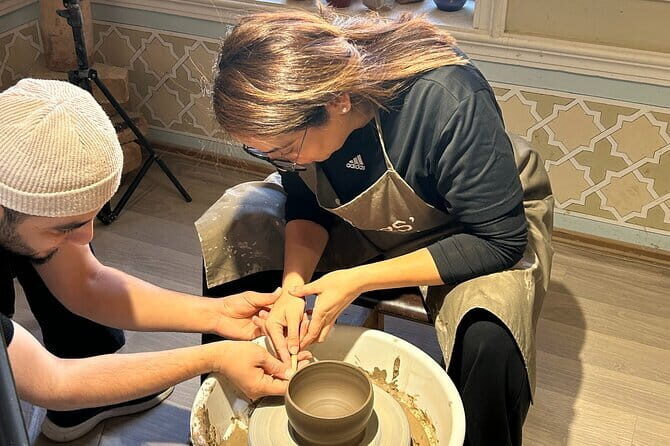
The pottery part runs about 1 to 1.5 hours, and it’s structured in a way that works even if you’ve never touched clay before. You’re not just painting. You’re going through the process from raw material to finished design.
You can expect the masterclass to follow these steps:
- Introduction to Uzbek pottery so you know what kind of look and technique you’re aiming for
- Clay preparation so the clay behaves the way it should
- Piece selection so you choose what you’ll shape
- Wheel throwing or molding (you’ll do the shaping, not just watch)
- Fire torch initial drying (a key step before further work)
- Shaving to refine the form
- Decoration to add your pattern and personality
One detail that stood out in the reviews: the potter’s technique for preserving Uzbek designs through carving on pottery. That gives you a chance to think like an artisan, not just a beginner. Instead of treating decoration as surface-only, you learn how design can be built into the piece’s structure.
Practical mindset: go in expecting a learning curve. The goal isn’t perfection. It’s the experience of understanding the process and leaving with something you shaped with your own hands.
Also note what’s not included: glazing isn’t part of the package. That doesn’t ruin the experience, but it does affect how “complete” the final look will be right away.
After the Workshop: Non Bread, Palov, Salad, and Tea

After the pottery, you shift into food mode for about an hour. This meal isn’t just an add-on. It feels like part of the same cultural lesson: bread, grains, herbs, and hot shared dishes.
Here’s what’s listed as included:
- Uzbek non bread
- Shakarob & Kuzchi Kayfiyat salad
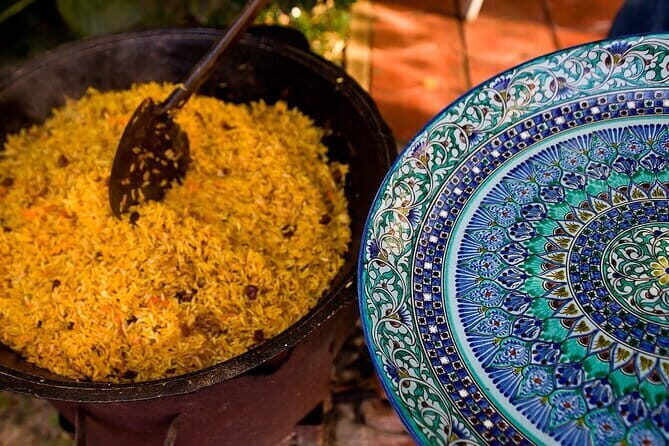
- A variety of traditional Uzbek palov
- Unlimited green tea and water
In the reviews, the meal got extra praise. People talked about hot bread straight from the oven, plus sides like pickled veggies and a homemade cherry juice. Even if your exact plates vary slightly, the theme stays the same: comforting, filling, and meant to be eaten while the day’s story is still fresh.
If you like to travel with your stomach, this portion is a good match. You’re not just tasting Uzbekistan. You’re tasting it after learning the background that makes the flavors make sense.
Price and Value: What $85 Includes (and Why That Matters)
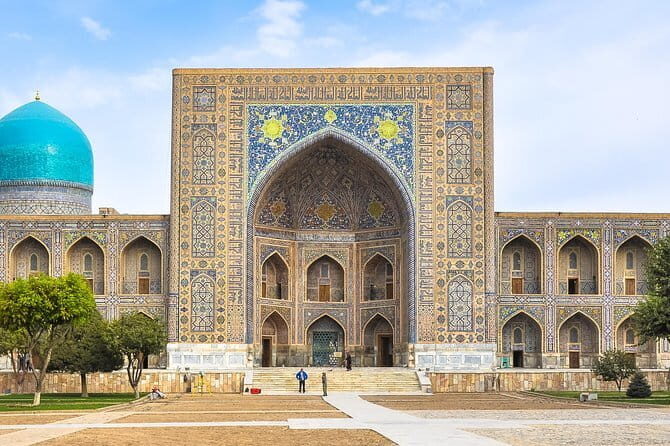
At $85 per person, this tour is priced like an experience that’s doing real work, not just a walk-and-talk. You get three core things in one block: culture time, hands-on pottery, and a full Uzbek meal.
Your value equation includes:
- Pickup offered, which reduces hassle in a city where getting across town can take time
- Pottery equipment included
- All fees and taxes included
- Guided cultural exploration included
- A hands-on masterclass included
- Lunch/dinner included
The group setup also helps. This is described as private for your group, so it’s not the same as being absorbed into a huge crowd tour. That usually means more attention during the workshop and a better chance to ask questions during the cultural part.
Possible consideration on value: if you’re specifically chasing a “finished and glazed” collectible item, remember glazing isn’t included. You might find that affects how gift-ready the piece feels right away. But for most people, the craft experience and the meal payoff make the price feel fair.
Practical Tips Before You Go (Allergies, Transport, and What’s Not Included)
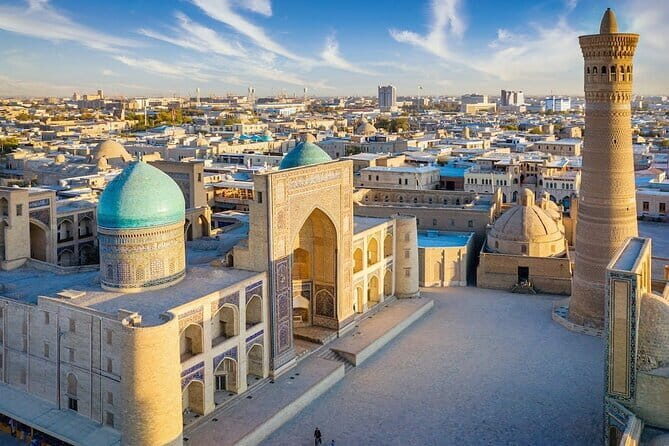
This is a hands-on day, so think logistically and health-wise from the start.
Food and allergy reality check
The meal includes meat and dairy, with limited plant-based options. If you’re vegetarian or vegan, you’ll want to plan for that limitation.
If you have celiac or gluten sensitivity: the bread and pastries contain wheat.
Nut allergies: Uzbek cuisine may include nuts, and you should confirm specific ingredients.
Dairy allergies or lactose intolerance: cheese is used in starters.
These aren’t dealbreakers for everyone, but they are important enough that you should check before you book.
Pottery logistics
Two items are not included:
- Pottery shipment
- Glazing
So assume you’ll be carrying your pottery back yourself. If you hate packing fragile items, bring a plan for transport. Even if you’re careful, pottery can be awkward to protect.
Comfort for the workshop
You’ll be working with clay and tools. Wear clothes you’re okay getting a little messy in, or plan to bring a cover-up. This isn’t a formal dress day.
Who Should Book This Tashkent Experience
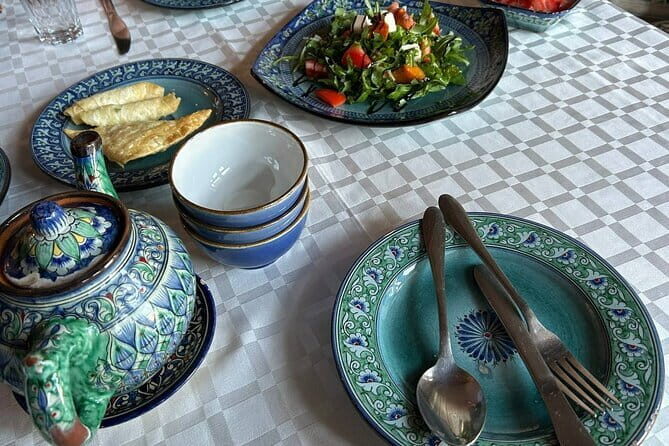
This tour is a great fit if you want one afternoon that mixes culture with real making. It’s also ideal if you:
- enjoy learning through doing, not only listening
- want a beginner-friendly pottery introduction
- like craft traditions tied to daily life (households, weddings, textiles)
- want a guided meal that feels connected to the themes of the day
You might skip it if:
- you’re mainly looking for finished glazed ceramics to take home immediately
- you need a fully dairy-free, gluten-free, or nut-free meal with no uncertainty
- you don’t want any risk of handling fragile items yourself after the session
Should You Book This Tour?
I’d book it if you like your travel with a hands-on scorecard: learn, make, then eat. The cultural exploration is specific—Silk Road stories, textiles, suzani embroidery, household and wedding traditions—and it doesn’t feel generic. Then the pottery masterclass gives you a clear workflow from clay to decoration, which is exactly how you turn curiosity into a satisfying result.
If you’re on the fence because of allergies or because you want glazed pottery, read the included-not-included list carefully first and decide what you can work around. For everyone else, this is the kind of Tashkent day that gives you a real memory, not just photos.
FAQ
How long is the Tashkent cultural exploration and pottery masterclass?
The tour is about 3 hours 30 minutes, including 1 hour of cultural exploration, 1 to 1.5 hours for the pottery masterclass, and about 1 hour for the Uzbek meal.
What does the tour cost?
The price is $85.00 per person.
Is pickup included?
Yes, pickup is offered. Drop off is not included.
Is pottery shipment or glazing included?
No. Pottery shipment and glazing are not included.
What are the dietary limitations to know before booking?
The meal contains meat and dairy with limited plant-based options. It includes wheat in the bread and pastries. Nut allergies may be an issue since nuts may be used, and dairy allergies are a factor because cheese is used in starters.
Can I cancel for a full refund?
Yes. You can cancel for a full refund up to 24 hours before the experience start time.