REVIEW · SAMARKAND
cooking traditional food in Samarkand with local people
Book on GetYourGuide →Operated by Samarkand tour · Bookable on GetYourGuide
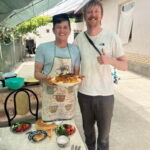
Samarkand by 5 senses beats a sit-down tour. This cooking day pairs Siab Bazaar browsing with a real home-style meal-making session in the village. You get the shopping, the cooking, and the eating, all tied together by how locals actually live.
I love the focus on traditional food—especially plov and the hands-on prep at a family table. I also like that you can learn the whole workflow: tools, ingredients, and the way Uzbek meals come together.
One thing to keep in mind: how much you actually do can vary. The experience is set up so you can participate, but some cooking sessions may end up more observational than you expect if the host keeps things moving.
In This Review
- Key points to know before you go
- From Registan to Ravot: How the 5 Hours Actually Work
- Siab Bazaar on Your Time: Shopping for Uzbek Ingredients
- Village Home Cooking in Ravot (Toyloq District)
- What You’ll Make: Plov, Salads, and More
- Tandir Bread and Two Ways to Cook: Gas vs O’choq
- How Hands-On Will You Be?
- English Guidance Plus Real Conversation
- Included Extras That Make It Worth the Time
- Price and Value: Is $62 a Good Deal?
- Practical Notes Before You Go (So You Enjoy It More)
- Should You Book This Samarkand Cooking Day?
- FAQ
- Where does the cooking class take place?
- Do we visit Siab Bazaar during the experience?
- What kinds of dishes do we cook?
- Can I participate in cooking or will I just watch?
- Is bread baked in a tandir?
- What’s included in the price?
- How long is the tour?
- Is there an English guide?
Key points to know before you go
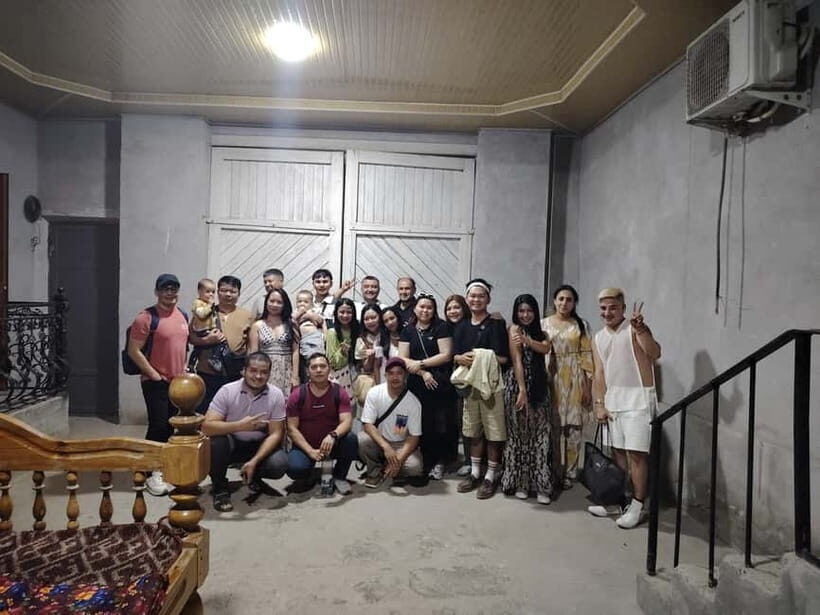
- Siab Bazaar first: You’ll explore the market (but Monday is the day off).
- Village kitchen, not a studio: Cooking happens in a home in Ravot (Toyloq district), about 14 km from Registan Square.
- You can cook (if you want): The format encourages participation, from prep to learning the process.
- Tandir bread is on the menu: You’ll have the chance to see how bread is baked in a tandir.
- Different heat sources: Cooking may happen on gas and also in an o’choq (stove/oven setup).
- Real family conversation: Expect English guidance plus plenty of everyday culture talk.
From Registan to Ravot: How the 5 Hours Actually Work
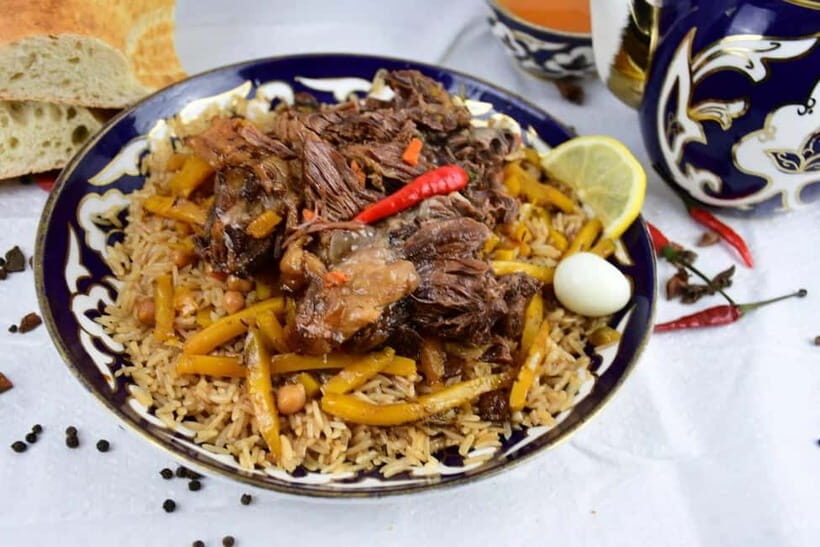
This is a short trip with a clear purpose: go from city sights into village life, then come back with food you helped make (or at least understand step by step). The whole experience runs about 5 hours, and it’s built around three main moments—pickup, market + cooking, then a shared lunch or dinner before you’re dropped back.
You’ll be picked up from the airport, hotel, or station, transported with a guide, and brought to the village home. The road is described as good quality and not bumpy, so the travel part doesn’t have to feel like an obstacle course. Once you’re in Ravot, the day shifts into slower rhythms: cooking, tasting, and learning how Uzbek meals connect to daily family life.
If you’re used to “watching a chef” formats, this one feels more like joining a household routine—only with an English-speaking guide to explain what’s happening.
You can also read our reviews of more food & drink experiences in Samarkand

Siab Bazaar on Your Time: Shopping for Uzbek Ingredients
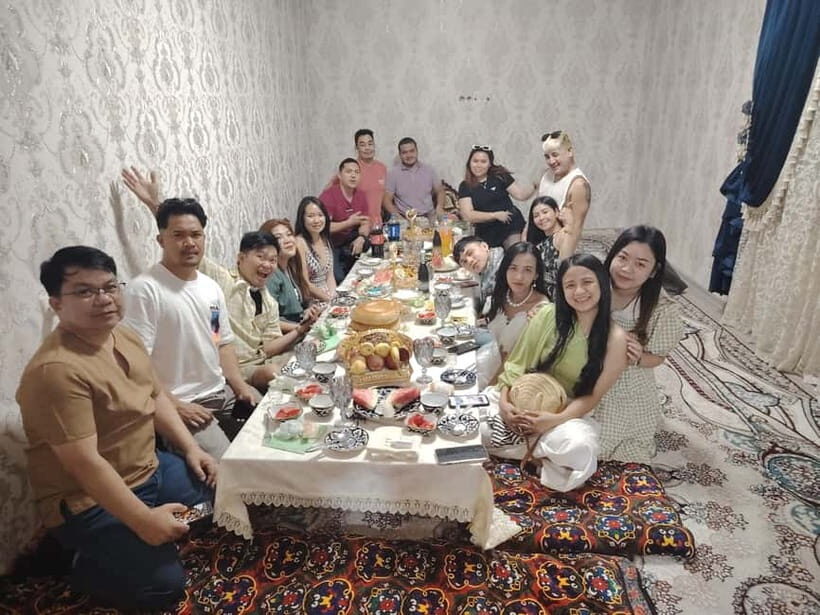
The bazaar visit is part sightseeing, part food research. You’ll explore Siab Bazaar alongside your guide, which is a great way to understand what people buy when they’re not catering to tourists.
There’s one critical scheduling note: Siab Bazaar is closed on Mondays. If your day lands on Monday, the bazaar portion won’t run the way it does on other days, so your plan becomes more centered on the village cooking time.
Why this matters: Uzbek cooking isn’t just recipes—it’s choices. You’ll likely see staples and seasonal items that explain why certain flavors show up again and again. Even if you don’t buy anything, you’ll start thinking like a cook, not like a customer.
Village Home Cooking in Ravot (Toyloq District)
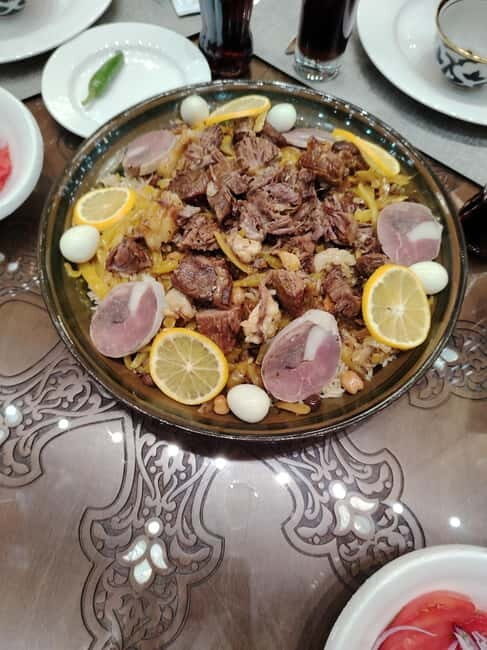
The cooking happens in a village setting called Ravot, in the Toyloq district, about 14 km from Registan Square. You’re welcomed to the host’s home, and the experience is designed around meeting the family and learning the culture through everyday conversation.
This is where the day turns more personal. Instead of a generic classroom, you’re in a real house environment where people live with the food cycle—growing, buying, preparing, and sharing. One past guest specifically highlighted a garden full of fruit trees during the visit, which gives you a sense of what the surroundings can feel like when the host is proud of their home and yard.
The format also gives you a chance to ask real questions. How do they choose ingredients? What tools do they use? What does a good meal mean in their household? Your guide helps connect the dots in English, especially if your questions are more cultural than technical.
What You’ll Make: Plov, Salads, and More
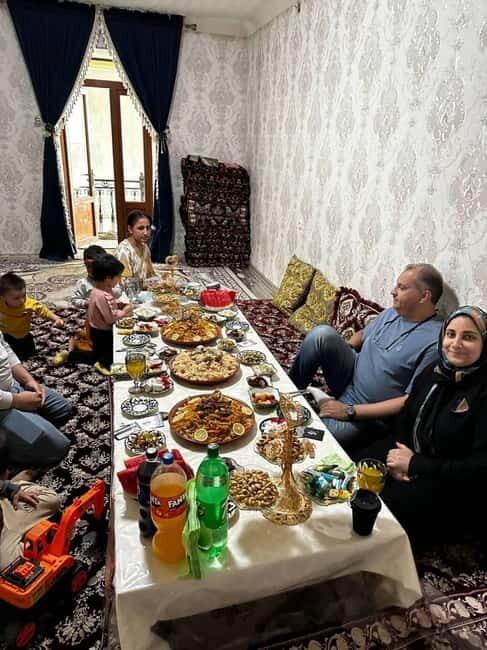
The menu is built around traditional Uzbek meals, with variety depending on your preferences. You’ll have options for salads and dishes that are unique to Samarkand, and you can participate in prep if you want.
Plov is the star that repeatedly shows up in these experiences. Guests have described learning how it’s cooked and praised it as genuinely delicious. There’s also mention of other classic dishes such as hanim (spelled in one booking as a pavlov/variant name), so you may have more than one dish direction depending on what the host offers that day.
A practical point: you’re not just eating one dish and leaving. You’ll have a lunch or dinner included, with salads, food, and beverages. That means the cooking time is connected to the meal you’re about to enjoy, rather than being a separate activity you squeeze in before sightseeing.
Tandir Bread and Two Ways to Cook: Gas vs O’choq
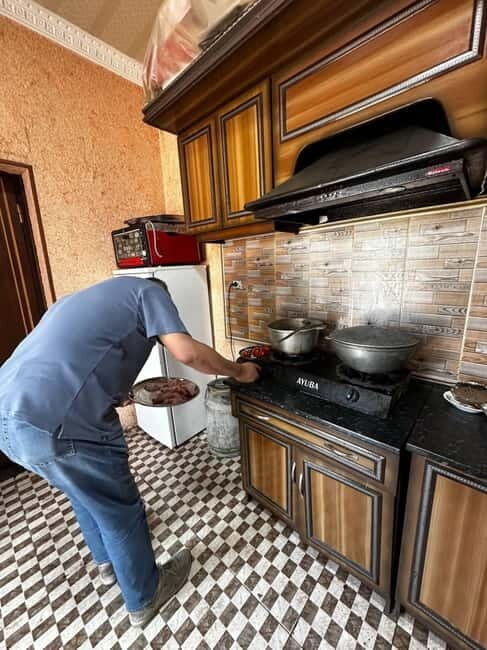
One of the most memorable parts is the chance to see bread baked in a tandir. This isn’t “just watching dough get baked.” Tandir bread is a process with heat management, timing, and hands-on handling—so it gives you a deeper appreciation for why local bread tastes the way it does.
You’ll also learn that cooking can happen using gas and an o’choq (the stove/oven style used in Uzbek households). Seeing the same food concept translated through different cooking setups helps you understand that Uzbek cuisine is practical. People cook around what’s available, what’s efficient, and what’s familiar.
If you like food technology—how heat changes texture and flavor—this is a very satisfying angle. If you prefer tasting over technique, don’t worry. You still get the meal, and the cooking lesson is meant to be friendly and approachable.
How Hands-On Will You Be?
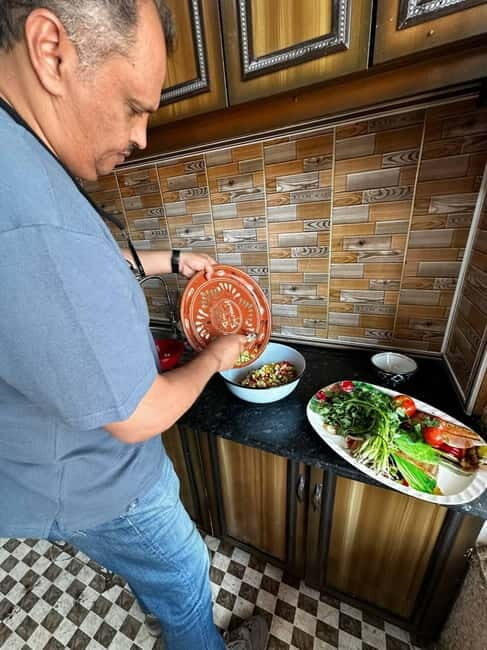
This experience is set up so you can join in. You’ll be able to participate in preparation if you want, and the guide can explain the tools and ingredients as you work. That part is spelled out in what to expect.
Still, there’s a realistic consideration: the intensity of participation can vary depending on the pace of the household. One booking described more of a smaller role—some vegetable prep and then watching more than chopping. That doesn’t mean it’s a bad experience. It means you should communicate your preferences early.
My advice: if you want maximum hands-on time, say that clearly when you arrive. Ask where you should stand, what you should chop, and when you can take over a step. Then jump in on the tasks that interest you most—salad prep, mixing, shaping, or bread-related observing.
English Guidance Plus Real Conversation
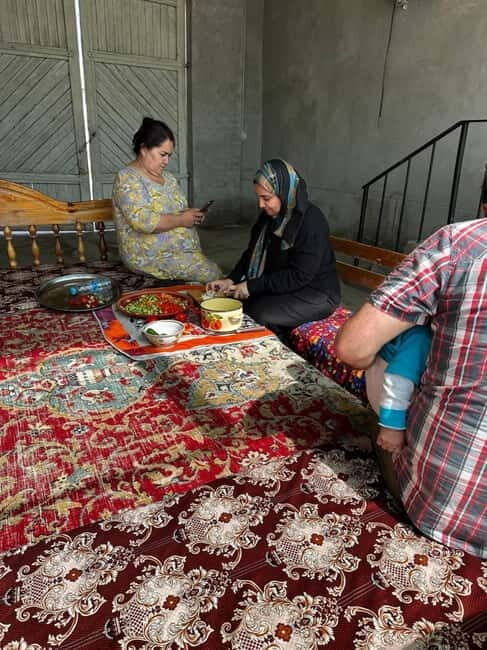
The guide is English-speaking, and that matters more than it sounds. Food is full of local terminology—names of tools, ingredients, and techniques. Having someone explain what you’re seeing turns this from a nice meal into a learning experience you can use later.
Guests also praised conversation and cultural insights. In other words: the day isn’t only about food facts. It’s about understanding day-to-day Uzbek life through small topics that come up naturally around the kitchen table—family routines, traditions, and what people consider important in daily culture.
If you like tours that feel human and not staged, this one fits. The best moments here are usually the in-between ones: waiting for something to cook, tasting as it’s explained, or asking why a specific step is done.
Included Extras That Make It Worth the Time
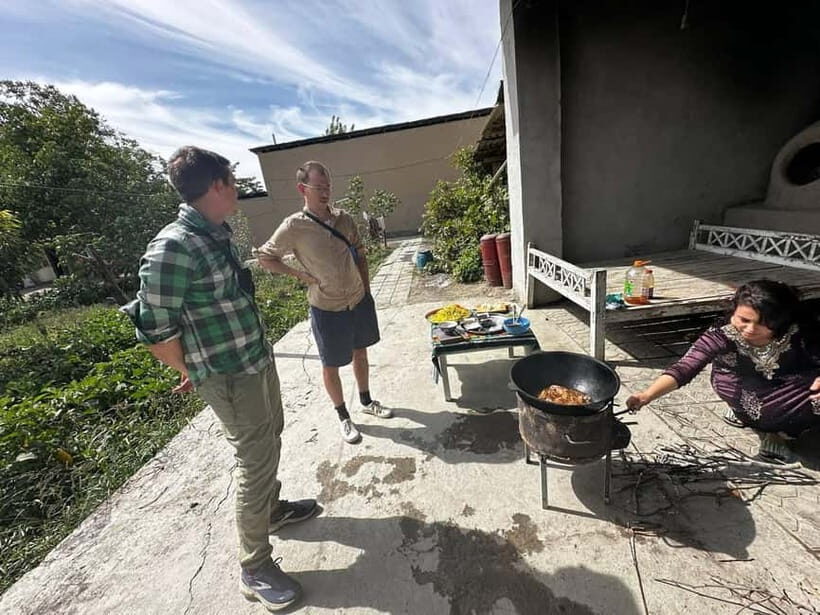
You get a full package for a fairly short block of time. Included is pickup from the airport, hotel, or station, a masterclass to cook, exploration of Siab Bazaar (with the Monday closure note), and a lunch or dinner with salads, food, and beverages.
You also get dropping back to your hotel, airport, or station. That’s not just convenience—it’s time management. Instead of trying to arrange transport on your own, you’re free to focus on the experience itself.
You’ll also want to note that the experience is marked as wheelchair accessible. The activity details mention restrictions (no weapons or sharp objects, no short skirts, no tight clothing), so it’s best to bring clothing that fits those guidelines while still letting you move comfortably in a home setting.
Price and Value: Is $62 a Good Deal?
At $62 per person for about 5 hours, you’re paying for more than a cooking lesson. You’re paying for transportation, an English guide, market time, instruction, and the meal itself.
Here’s how I think about value with experiences like this:
- If you had to hire a guide plus solve transport plus pay for food, you’d often spend close to (or more than) this price fast.
- The extra value is the village setting. Cooking at home with local people usually costs more in time and logistics than a city-based class.
- The meal is included, so you’re not “doing an activity first, then finding dinner later.”
The price seems fair if you want authenticity and conversation, not just recipes. If your main goal is learning a specific single dish in a kitchen, you might compare with cooking classes closer to your hotel. But if your priority is understanding Samarkand through food and daily life, this is the kind of outing that can feel worth it quickly.
Practical Notes Before You Go (So You Enjoy It More)
A few rules and logistics help you plan better:
- Dress respectfully: short skirts and tight clothing aren’t allowed.
- No weapons or sharp objects, and no nudity (standard safety and comfort rules).
- You’ll be in a village environment, so comfortable footwear helps even if the road isn’t bumpy.
- The village location is about 14 km from Registan Square, so expect a bit of travel time, even though the road is said to be good.
Also, Siab Bazaar is closed on Mondays. If you’re traveling on a Monday, check your day and plan around the cooking and home experience being the main focus.
Should You Book This Samarkand Cooking Day?
I’d book it if you want a change from the usual “markets plus monument photos” routine. This is a food-centered day with real local interaction: bazaar browsing, cooking with a family, and sharing a meal in the village home in Ravot. It’s also a good fit for couples or small groups who can enjoy conversation without needing a strict sightseeing checklist.
Skip it (or at least adjust expectations) if you want a long, high-energy hands-on workshop where you do every step yourself. This experience encourages participation, but the exact level of involvement can vary depending on the household’s pace and how much prep they need to do.
If your ideal souvenir is not a magnet but a new way to understand Uzbek cooking—especially plov and tandir bread—this one is a smart use of half a day.
FAQ
Where does the cooking class take place?
The village cooking happens in Ravot, Toyloq district, about 14 km from Registan Square.
Do we visit Siab Bazaar during the experience?
Yes, you explore Siab Bazaar as part of the day. The bazaar is closed on Mondays, so the market stop won’t run that day.
What kinds of dishes do we cook?
You can cook a variety of Uzbek meals, including salads and traditional favorites. Plov is specifically mentioned as something you may cook.
Can I participate in cooking or will I just watch?
You can participate in the preparation process if you want. The amount of hands-on work can depend on how the household runs the session.
Is bread baked in a tandir?
Yes. The experience includes the chance to bake bread in a tandir.
What’s included in the price?
Pickup from the airport, hotel, or station, a cooking masterclass, exploration of Siab Bazaar, lunch or dinner with salads/food/beverages, and drop-off afterward are included.
How long is the tour?
The duration is 5 hours.
Is there an English guide?
Yes, there is a live guide who speaks English.