REVIEW · SAMARKAND
Samarkand Walking Tour
Book on GetYourGuide →Operated by Asli Travel · Bookable on GetYourGuide
Samarkand hits you fast, even before the first gate. This private 4.5-hour walking tour strings together the city’s biggest names—Gur Emir, Registan, Siyab Bazaar, and Shah-i-Zinda—so the sites feel connected instead of random stops. I like that the guide doesn’t just point; they translate the meaning of what you’re seeing into plain stories you can actually follow.
I also value the fact that this is a private group up to 2, with professional guiding offered in multiple languages. Guides such as Maftuna or Muna can handle Spanish, Russian, and other languages well, and they often answer questions beyond dates and dates-only facts. One drawback to keep in mind: on rare occasions, guide communication or language expectations may not match what you want, so it pays to confirm your meeting details and start time.
In This Review
- Key things you’ll notice on this tour
- Why this Samarkand walk feels more meaningful than a checklist
- Value of $90 per group (up to 2) for a 4.5-hour monument route
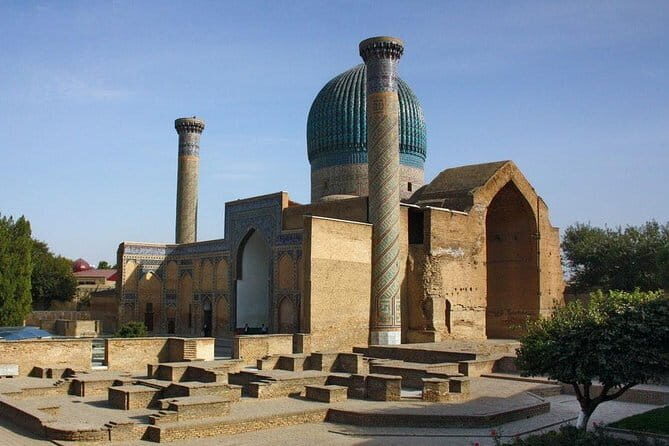
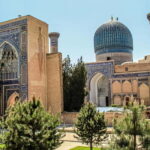
- Gur Emir Mausoleum: where Tamerlane’s story starts (and shows off)
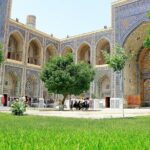
- Registan Square: the city’s postcard, explained like a design
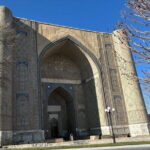
- Bibi Khanym Mosque: scale, ambition, and why it was built
- Siyab Bazaar: spices and bread after the monuments
- Hazrat Khizr Mosque: the first mosque and a modern burial connection
- Shah-i-Zinda Complex: about 20 mausoleums and one very specific legend
- The guide factor: when narration turns monuments into stories
- What to bring and how to make the 4.5 hours feel easy
- Who should book this tour (and who should tweak expectations)
- Should you book Asli Travel’s Samarkand Walking Tour?
- FAQ
- How long is the Samarkand Walking Tour?
- Where do I meet for the tour?
- What is included in the price?
- Are entry tickets included or do I still need to pay separately?
- Does the tour skip ticket lines?
- What languages are available for the guide?
- Is the tour wheelchair accessible?
Key things you’ll notice on this tour
- Gur Emir Mausoleum’s gilded interior becomes the “origin story” for Tamerlane’s legacy in Samarkand
- Registan Square is treated like a whole design lesson, not just a photo stop
- Bibi Khanym Mosque is explained with its political background, including Tamerlane’s victory over India
- Siyab Bazaar adds a sensory break with spices, dried fruit, and famous Samarkand bread
- Shah-i-Zinda is paced so you can see how roughly 20 mausoleums build one continuous narrative
- Hazrat Khizr Mosque brings a modern thread by connecting the site to the first President’s burial
Why this Samarkand walk feels more meaningful than a checklist
Samarkand has a way of looking too perfect from far away—like the city is posing. A guided walk helps you catch the details that make it feel real: the symbolism in the tiles, the purpose behind each monument, and the way rulers used architecture to write their version of history.
This tour works because it groups the sights logically. You start with Gur Emir Mausoleum, then move into the city’s showpiece space at Registan Square and the major mosque built by Tamerlane’s wife. After that, the route shifts from power-and-palace to everyday life at Siyab Bazaar, and then back to sacred spaces with Hazrat Khizr and the dramatic Shah-i-Zinda Complex. That rhythm matters. It turns Samarkand from “big buildings I saw” into “a place with layers.”
It also helps that the guide is professional and speaks English, Russian, French, German, and Spanish. If you’re the type who likes asking questions, this tour can reward you, because the guide has room to explain rather than just recite.
You can also read our reviews of more walking tours in Samarkand
Value of $90 per group (up to 2) for a 4.5-hour monument route
At $90 per group up to 2 for about 4.5 hours, you’re paying for focused time with a guide—plus skip-the-ticket-line benefits. In a city where the main attractions can eat up your schedule with waiting, that time-saving can be worth a lot.
Two quick value notes for your planning:
- Entry tickets aren’t included. You’ll still need to budget for those separately, depending on what each site requires.
- Because you’re walking, your comfort and timing matter. In summer, start earlier if possible; heat can turn “great experience” into “survival mode,” fast.
The meeting point is right near the sign Amir Temur Mausoleum at the entrance. Arrive a few minutes early. It’s the easiest way to avoid the kind of stress where you stand around wondering if you’re in the right place.
And yes, it’s wheelchair accessible, which is a big plus for visitors who still want a guided feel without losing mobility.
Gur Emir Mausoleum: where Tamerlane’s story starts (and shows off)
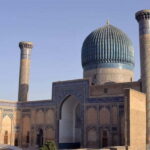
The tour begins at Gur Emir Mausoleum, a medieval mausoleum built for Tamerlane and his male descendants. The big visual takeaway is the interior decoration—described as gilded—which instantly sets the tone for how power was displayed in Samarkand.
What I like about starting here: it gives you context before you hit the larger public spaces. Once you know who this monument is for, later stops make more sense. Registan doesn’t feel like a random “main square.” It becomes part of a bigger statement rulers were making with stone, color, and planned crowds.
Practical tip: bring comfortable shoes. Even with a shorter overall duration, you’ll want something that can handle stone paths without punishing your feet.
Registan Square: the city’s postcard, explained like a design
Registan Square is the kind of landmark that looks instantly impressive in photos. The difference on a guided walk is that you learn to “read” it: why it’s arranged the way it is and why it’s considered a signature of not only Samarkand, but the wider region.
The tour frames Registan as the visit card of Uzbekistan and the middle East—basically the architectural “cherry on the cake.” That’s not just marketing talk. When you’re there with a guide, you start noticing patterns: how entrances pull you in, how monuments face each other, and how the square works as a stage.
If you prefer a guided pace, this stop fits you. If you prefer to explore alone for long stretches, you’ll want to balance your expectations, because the value here is the narration.
Bibi Khanym Mosque: scale, ambition, and why it was built
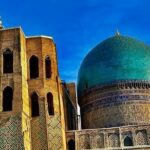
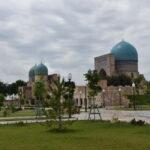
Next is Bibi Khanym Mosque, described as the largest mosque in Central Asia, including Iran. That’s a bold claim, but the point is simple: this building is huge, and it was meant to be.
It was built by Tamerlane’s beloved wife in honor of the victory over India. Once your guide puts that event into the monument, the mosque stops being only about size. It becomes a political tool—an architectural trophy case, but made of tile and craft.
I like that the tour doesn’t treat this as a silent exterior. With a guide, you understand why a grand mosque would be tied to a military success: it’s how a ruler turns public memory into something you can walk through.
Siyab Bazaar: spices and bread after the monuments
A smart break comes at the Central Bazaar Siyab. Instead of dragging you from monument to monument nonstop, the tour shifts to a place where people actually shop, talk, and live.
Here, you’ll get a look at an Oriental Bazaar with spices, fresh and dry fruits, and the famous Samarkand bread. This is one of the best moments to reset your brain. You’ll also get a different kind of cultural texture than the mausoleums and mosques provide.
If you love food and ingredients, this stop is genuinely practical for understanding daily life in Samarkand. If you’re not shopping, you can still enjoy it by observing what’s displayed and how the market energy feels.
Wear sunglasses if the sun is strong—again, the tour mentions them for a reason.
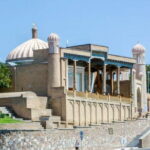
Hazrat Khizr Mosque: the first mosque and a modern burial connection
The route includes Hazrat Khizr Mosque, presented as the first mosque of Samarkand. The guide adds an important detail: it is also where the first President of the Republic was buried.
That’s a meaningful contrast. You go from the era of rulers and conquerors into a story that reaches into modern nationhood. It’s a reminder that religious spaces can hold different kinds of importance across time—not just spiritual value, but also civic memory.
If you’re the kind of visitor who likes seeing how places stay in use (even as the meaning changes), you’ll probably appreciate this stop.
Shah-i-Zinda Complex: about 20 mausoleums and one very specific legend
Finally comes the Shah-i-Zinda Complex, a group of mausoleums—described as about 20—that feels dramatic even from the start. The tour highlights it as the female tomb of Tamerlane’s family, and it also adds one of the key religious claims associated with the complex: it’s described as the only place in Central Asia where a family relative person of the prophet is buried.
That kind of story changes the tone of how you walk through. Instead of seeing separate buildings, you start feeling a sequence. The complex becomes less like a collection and more like a connected pilgrimage route in stone.
One more reason I like this part of the tour: the walking pace makes the details more visible. Mausoleums can blur together quickly if you’re rushing or skipping narration. With a guide, each stop has a reason to exist, and you’re more likely to remember what you saw.
The guide factor: when narration turns monuments into stories
The strongest praise across experiences like this is consistently about the guide. Good guiding doesn’t just explain what you see. It helps you notice what you’d otherwise miss.
In Spanish and Russian language comfort, names like Maftuna come up for a reason—she’s described as friendly, knowledgeable, and able to handle questions in more than one language. Another guide, Muna, is mentioned for making history understandable and for adding details you might not get in a fast, fact-only approach.
So here’s how you can set yourself up for a better experience:
- If you’re curious, come with one or two questions in mind about Tamerlane, Samarkand’s role, or why Registan became so central.
- If you prefer a more conversational style, tell your guide early that you’d like stories and explanations you can discuss, not a lecture.
- If you’re traveling in French or German, be aware that language depth can vary with the guide. Pick the language you’ll understand best, not just the one you can tolerate.
There’s also a downside you should acknowledge. On rare occasions, the guide may not show up at the meeting point. You can’t control that, but you can reduce stress by double-checking your meeting details right before you leave.
What to bring and how to make the 4.5 hours feel easy
This is a walking tour, but it’s short enough that you can do it without turning the trip into a fitness challenge—if you prepare.
Bring:
- Comfortable shoes
- Sunglasses
- Comfortable clothes
Then plan your timing. The tour notes that summer is better with an earlier start. That’s not a small suggestion. In Samarkand, midday heat can flatten your energy and make even fascinating stops feel like chores. Starting earlier keeps the experience brighter, not just hotter.
Also, remember: entry tickets are not included, so have a plan for them. And because the tour includes skip-the-ticket-line, you’ll waste less time once you’re at each site.
Who should book this tour (and who should tweak expectations)
This tour is a great fit if:
- You want top Samarkand sights in one organized walk without spending your day figuring out logistics.
- You like guided storytelling more than solo wandering.
- You’re traveling with kids or teens who benefit from explanations. One experience mentions a 12-year-old finding the history engaging.
It may be less ideal if:
- You strongly prefer self-guided time at your own pace. This route is guided and structured.
- You only want minimal talking. If your ideal tour is silent photos and wandering, you might find the narration style too instructional.
For most people, though, it’s a solid way to experience Samarkand’s main sites without turning the day into a scavenger hunt.
Should you book Asli Travel’s Samarkand Walking Tour?
If your goal is to understand Samarkand—not just photograph it—this is an easy yes. The combination of Gur Emir, Registan Square, Bibi Khanym Mosque, Siyab Bazaar, Hazrat Khizr, and Shah-i-Zinda in a single 4.5-hour private format is a smart use of time, especially at $90 per group up to 2.
Book it if you:
- Want a guide who can explain what you’re seeing in your chosen language.
- Appreciate markets and food stops as part of cultural context, not as an afterthought.
- Would benefit from skip-the-ticket-line planning so you lose less time waiting.
Before you go, set yourself up for success: confirm your meeting point by the Amir Temur Mausoleum sign, arrive a bit early, and budget for entry tickets since they’re not included. If you do that, you’re likely to walk away with a clearer picture of why Samarkand has inspired travelers for centuries—and why it’s often described as more beautiful than people expect.
FAQ
How long is the Samarkand Walking Tour?
The tour lasts about 4.5 hours.
Where do I meet for the tour?
You meet near the sign Amir Temur Mausoleum at the entrance.
What is included in the price?
The tour includes a professional guide. Entry tickets and other personal expenses are not included.
Are entry tickets included or do I still need to pay separately?
Entry tickets are not included, so you should expect to pay them separately.
Does the tour skip ticket lines?
Yes, it includes skip-the-ticket-line.
What languages are available for the guide?
The guide is available in English, Russian, French, German, and Spanish.
Is the tour wheelchair accessible?
Yes, the tour is wheelchair accessible.