REVIEW · SAMARKAND
Samarkand: Uzbek Cooking Class in a Village Home
Book on GetYourGuide →Operated by UniqueUzTravel · Bookable on GetYourGuide
A village kitchen beats any cooking show. In a traditional clay-brick home near Samarkand, you’ll learn Uzbek cooking in a way that feels like family time, not a scripted demo—especially when plov starts bubbling in a qozon over an open fire. I love the hands-on rhythm here: choosing ingredients, stirring over the wood-fired heat, and eating what you made together.
The second thing I really like is the manti part—rolling thin dough, shaping dumplings, then steaming them in a mantuvarka. One possible drawback: this experience involves cooking with meat, so it may not work for everyone’s diet or health needs.
Key takeaways before you go
- Plov in a qozon over wood fire: you learn the why, not just the recipe.
- Garden-to-kitchen ingredients: you pick and prep items used in the meal.
- Manti by hand: thin dough, shaped dumplings, then steamed in a mantuvarka.
- Tea under a grapevine + village time: you slow down with green tea and animal encounters.
- English guide and home-family hosting: you get history and daily-life context, not just food talk.
- One hour from Samarkand: plan it as a proper countryside day, not an in-city activity.
In This Review
- Leaving Samarkand for a Real Village Home
- Touring the Garden and Meeting the Animals
- Cooking Plov Over an Open Fire in a Qozon
- Shaping Manti by Hand, Then Steaming Them in a Mantuvarka
- The Village Home Atmosphere: Tea, Waiting, and Small Cultural Stops
- Timing and Transfers: What the 5.5 Hours Really Means
- Price and Value: Is $52 a Good Deal for Plov and Manti?
- Who Should Book This Samarkand Village Class
- Helpful Tips: What to Bring and How to Prepare
- Should You Book This Samarkand Plov and Manti Class?
- FAQ
- How long is the cooking class near Samarkand?
- Where does the class take place?
- What dishes will I learn to cook?
- Is a vegetarian option available?
- Will I get transfer from Samarkand?
- Does the guide speak English?
- What should I bring?
- Is this activity suitable for everyone?
Leaving Samarkand for a Real Village Home
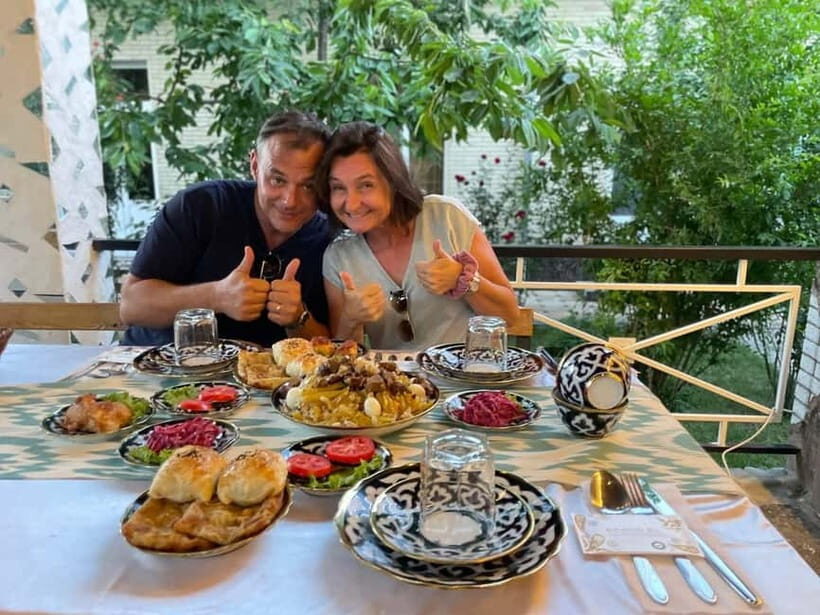
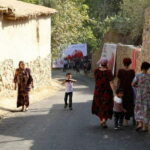
This is the kind of activity that quietly changes your pace. Instead of staying in the city, you head about an hour out into the countryside around Samarkand. The setting matters. You arrive in a village home with clay-brick walls and working garden space, where cooking starts with what’s on hand.
You’ll be picked up in Samarkand, then transferred to the home. The best part is the welcome: you meet the family first, then everything else follows. From the start, you’re not just watching a chef at work. You’re stepping into how an Uzbek household keeps a steady, practical rhythm—food, animals, and tea all tied together.
Along the way and at the village, you may hear real-life context that connects food to place—like how local traditions show up in daily meals and family moments. Some hosts also share other nearby interests while you’re there (for example, one guide mentioned learning about Amir Temur and seeing local paper-making). You’ll get the sense that this home has more going on than a cooking lesson.
Practical note: this is a countryside visit with outdoor time. Comfortable clothes and sunscreen aren’t optional if you’re going in warm months.
Touring the Garden and Meeting the Animals
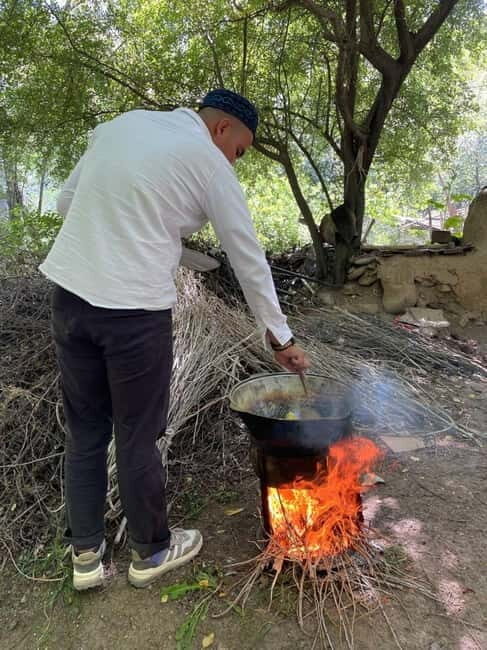
Before your hands get floury, you get the village experience. You might tour the garden area, see fruit trees and vegetable patches, and spend time in the yard where daily animals live. Cows, sheep, chickens, and even donkeys can be part of what you encounter.
This isn’t a zoo stop. It’s more like seeing the working side of rural life. If you like simple, everyday details—how people manage animals, how families share tasks—this part delivers. You’ll also have a chance to relax between cooking steps, rather than sprinting from station to station.
One small comfort: you’ll get tea. Tea under a grapevine is on the plan, and it’s exactly the kind of pause that makes the day feel human. Cooking is hot, hands are busy, and then suddenly you’re sitting with something warm (usually green tea) while the next part of the meal finishes cooking.
If you have any animal allergies, take this seriously. The experience includes animal time, and the cooking and home environment are close-contact by nature.
You can also read our reviews of more cooking classes in Samarkand
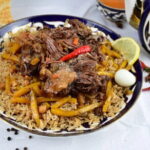
Cooking Plov Over an Open Fire in a Qozon
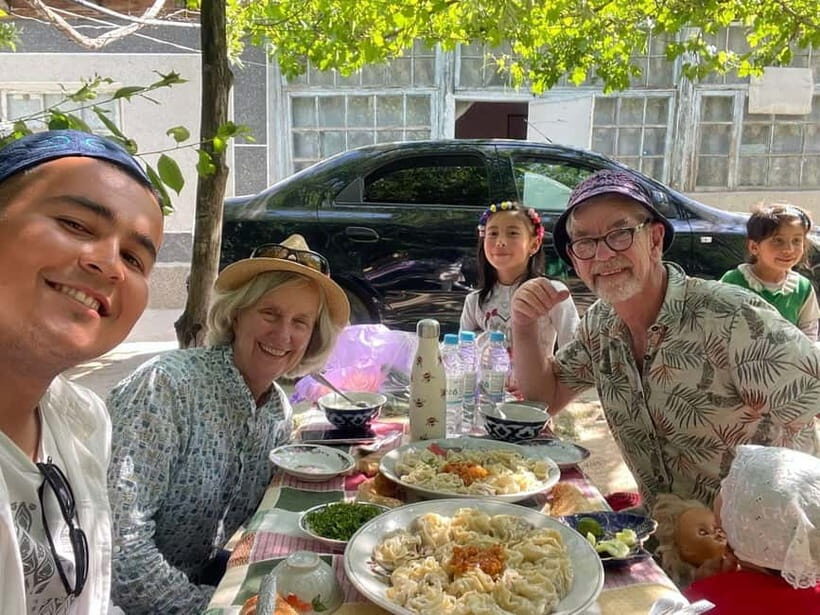
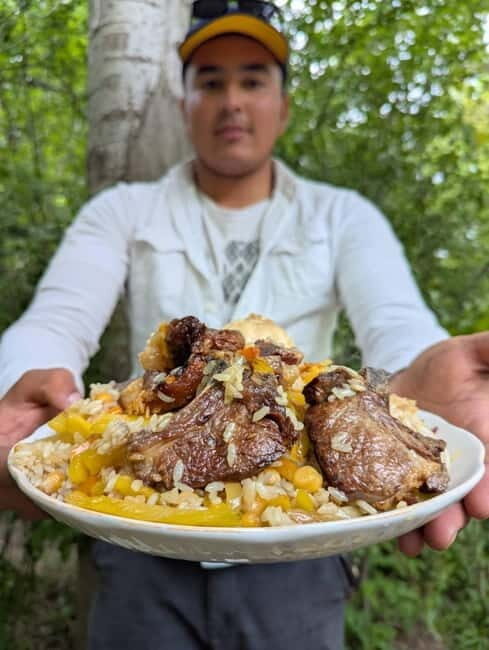
Plov is the main event. This Uzbek classic is built around layers: rice, onions, carrots, and meat, plus a spice blend that gives it its character. What makes this class valuable is that you don’t just follow steps. You learn what the cooking heat does as it builds flavor.
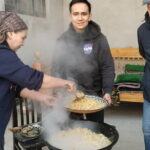
You’ll start with ingredients—some from the garden, prepared with guidance from the host. Then you’ll cook plov using the traditional setup: a large cast-iron pot (a qozon) over a wood-fired stove and open fire style cooking.
Here’s what you’ll feel in your body during the class:
- You’ll smell onions and spices warming up as the base cooks.
- You’ll see the oil and aromatics take on color before the rice part starts.
- You’ll understand why timing and gentle handling matter when rice and meat come together.
The family cook or guide walks you through the process step-by-step. That’s huge for value, because plov is one of those dishes that can turn out bland or heavy if you rush it. In this home setting, you get coaching while you’re actively working: stirring, tasting, and assisting.
One detail I’d watch for: the plov portion can be substantial. In the experience I’ve seen described, you’ll likely eat a lot of what you cook, and it can be enough to share. Plan for a proper meal, not a small tasting.
A quick diet reality check: since plov here includes meat, the class may not fit vegans or vegetarians. The mantu section can offer alternatives, but plov is still the core style of cooking.
Shaping Manti by Hand, Then Steaming Them in a Mantuvarka
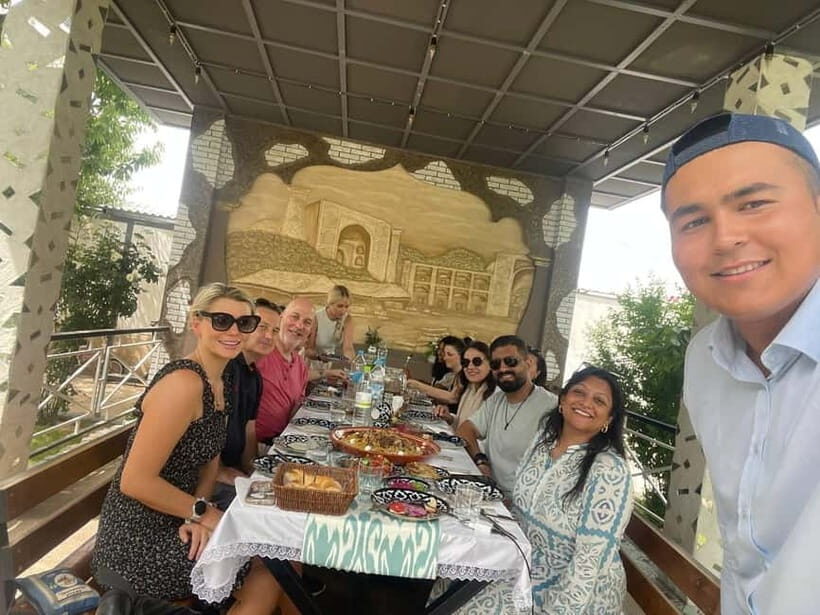
After plov, you switch gears to manti. These are delicate steamed dumplings filled with minced meat and onion, wrapped in thin handmade dough. If plov is about smoky, layered comfort, manti is about precision and patience.
You’ll roll out dough and shape mantu using traditional techniques. This is where you feel the difference between eating manti and making manti. The dough needs a balance: thin enough to feel tender, sturdy enough to hold filling without tearing.
Then comes the steamer: a multi-layer pot called a mantuvarka. You’ll learn how steaming works in practice—getting dumplings cooked through without turning the dough tough. It’s practical cooking science, but presented through household tradition.
One thing I appreciate here: you’re not stuck doing only one small task. You’ll likely do multiple parts—dough, filling, shaping—so you leave with real skill, not just a story about food.
Vegetarian note: the experience mentions vegetarian alternatives like pumpkin or potato-filled mantu. If you’re vegetarian, this can make the manti part workable, but it still depends on what you can eat during the overall cooking day. With meat involved in the cooking process, it may not align with every preference or restriction.
The Village Home Atmosphere: Tea, Waiting, and Small Cultural Stops
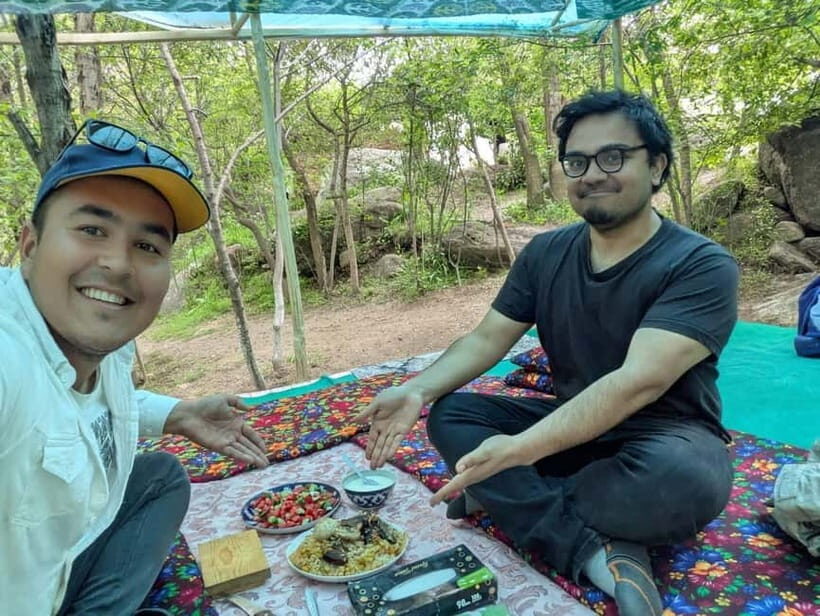
Cooking isn’t constant action. There are waiting moments: plov simmers, dough rests, dumplings steam. This is when the day becomes more than a recipe class.
A few cultural touches can happen naturally during those breaks. For example, some hosts may explain local traditions and even share items like traditional wedding clothes while you’re waiting for food to be ready. Even when that doesn’t happen, you’ll still have time for relaxed conversation and the family rhythm that makes the experience feel grounded.
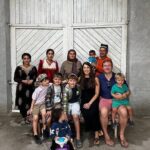
The vibe tends to be warm and practical. You’re invited into what a family does, not just into a kitchen for a performance. One guide is listed as Bekjon, and multiple experiences highlight his communication and the presence of his mother in the cooking and teaching. In some cases, someone like Zulfiya is also mentioned as part of the welcoming group.
That family involvement is the reason this class gets high marks. You’re not just buying instruction; you’re getting a day with real people and an actual home setting.
Timing and Transfers: What the 5.5 Hours Really Means
The total duration is about 5.5 hours. That sounds neat on paper, but here’s what you should expect in real time: you’ll move from Samarkand to the village, settle into the home, do ingredient prep and cooking steps, take breaks like tea time, and finish with eating.
Transportation is included, with hotel-to-village-to-hotel transfer. That matters because the activity is outside the city. You don’t want to waste your energy negotiating ride options or timing. The plan includes pickup from your location in Samarkand (the activity notes ask you to share your pickup address hotel, train station, or airport), which is helpful if you’re tight on schedule.
Also keep in mind: one hour outside Samarkand isn’t far, but it’s enough that you should treat this as a real outing. Wear something you can move in, and don’t plan a second heavy activity immediately after unless you know your day can handle a long sit-down meal.
A few more Samarkand tours and experiences worth a look
Price and Value: Is $52 a Good Deal for Plov and Manti?
At $52 per person, this class sits in the mid-range for cooking experiences. The value comes from what you get: both plov and manti instruction, ingredients for cooking, tea time, a guided village tour, and door-to-door transfer.
The big value lever here is the format. You’re not paying just for a dish. You’re paying for:
- a home setting and a local family host,
- hands-on cooking with guidance,
- ingredients and cooking tools being part of the experience,
- and a full cultural day outside the city.
If your goal is to leave with skills you can recreate, this is stronger value than a short demo. Plov plus manti is a lot to fit into one afternoon, and the day includes enough time for learning rather than rushing.
What could lower the value for some people: if you only want a quick snack or you’re not interested in shaping food by hand, you may prefer a lighter tasting-style experience. But if you want both dishes and the village context, $52 is a fair price for a full, structured day.
Who Should Book This Samarkand Village Class
This experience is best for you if you want authentic Uzbek cooking in a home environment. You’ll enjoy it most if you:
- like hands-on cooking and learning techniques,
- want a break from city sightseeing for a countryside day,
- enjoy family-style meals and conversation,
- and you’re comfortable with outdoor steps (garden time, cooking outside).
It’s also a solid choice if you’ve already seen Samarkand sights and want something more personal. The cooking is the hook, but the village life is the payoff.
Who should consider skipping:
- If you’re vegetarian or vegan, the class may not work smoothly because meat is part of the cooking. Vegetarian options are mentioned for mantu (pumpkin or potato), but the overall activity may still not fit.
- If you have animal allergies, the village animal time makes this risky.
- If you have diabetes, recent surgeries, recent medical concerns, or back problems, the activity may not be suitable based on the stated restrictions.
Helpful Tips: What to Bring and How to Prepare
Bring the basics. The experience notes suggest:
- a camera,
- sunscreen,
- comfortable clothes.
I’d add one practical mindset: expect to be warm. Between outdoor cooking and sitting in a rural yard, you’ll likely sweat. Dress for movement and sun.
Also, this is a food experience, not a photo-only event. When you’re cooking, you’ll want your hands free and comfortable. Avoid fancy outfits that you can’t get a little dough on.
Finally, know that firework isn’t allowed. That’s more of a venue rule than something you’ll manage, but it’s good to be aware.
Should You Book This Samarkand Plov and Manti Class?
I think you should book if you want more than a meal. This is one of those rare experiences where the cooking and the home life are tied together: you’ll cook plov in a qozon over wood fire, handcraft manti, and then eat in the same place you worked.
If you’re sensitive to diet restrictions, take that seriously before paying. Meat is part of the core plov, and the experience is offered with vegetarian mantu alternatives, not a full meat-free kitchen. If animals are a problem for you, skip it.
If you’re okay with a warm, countryside day, this is a memorable way to understand Uzbek food beyond the taste. You’ll leave with real technique, a full stomach, and the kind of human hospitality that doesn’t feel staged.
FAQ
How long is the cooking class near Samarkand?
The experience lasts about 5.5 hours.
Where does the class take place?
It takes place in a village home about one hour from Samarkand in the Samarqand Region.
What dishes will I learn to cook?
You can learn to make Uzbek plov (cooked over a wood-fired setup) and handcraft mantu (steamed dumplings).
Is a vegetarian option available?
Vegetarian alternatives for mantu are mentioned, such as pumpkin or potato-filled mantu. The experience involves cooking with meat, so it may not suit all vegetarian or vegan needs.
Will I get transfer from Samarkand?
Yes. Transfer hotel-to-village-to-hotel is included, and pickup can be arranged from your Samarkand hotel, train station, or airport (share your pickup address).
Does the guide speak English?
Yes, the tour guide works in English.
What should I bring?
Bring a camera, sunscreen, and comfortable clothes.
Is this activity suitable for everyone?
No. It isn’t suitable for people with back problems, vegans, people with diabetes, people with animal allergies, vegetarians, people with food allergies, people with recent surgeries, babies under 1 year, or people over 95 years.