REVIEW · SAMARKAND
Cooking Class in the Village with Local Family in Samarkand
Book on Viator →Operated by Navruz · Bookable on Viator
If you want real Uzbekistan, this is the kind of day you plan for. You start with a walk through the Samarkand bazaar, then head out to cook in a local family home, where the focus stays on food, people, and how everyday life works.
I love two things most: the ingredient shopping and market chat, and the hands-on cooking with clear, step-by-step guidance for dishes like plov. A possible drawback to consider: the experience is about 5 hours, so if you’re hoping to do every single hands-on task (like collecting firewood), you might find some steps are limited by time.
In This Review
- Key Points You Should Know
- From Bazaar Stalls to Dinner Tables
- How the Bazaar Walk Helps Your Cooking (and Not Just Your Photos)
- Cooking in a Real Home: Plov, Pastries, and the Stuff Between
- Plov: the dish people measure themselves by
- Other dishes you might make
- Family interaction is the point, not the extra
- Konigil Paper, Oil Meal, and Pottery: The Village Work That Feeds Daily Life
- Konigil paper factory
- Oil meal and pottery workshops
- Pickup, Private Group, and the Timing That Makes It Comfortable
- Price and Value: What You’re Paying For
- Who This Tour Fits Best
- Tips to Make Your Day Go Smoothly
- Should You Book This Cooking Class in Samarkand?
- FAQ
- How long is the cooking class?
- Is hotel pickup included?
- Is this tour private?
- What dishes will we cook?
- Can the tour handle vegetarian preferences?
- Can I cancel for a full refund?
Key Points You Should Know
- Bazaar first: You’ll explore the market with an eye for fresh ingredients before you cook.
- Cook with a local family: In-home instruction, with family members sometimes joining in.
- Classic Uzbek dishes: Plov is a highlight, and you’ll also work with items like manti, dolma, shashlik, or samsa depending on the session.
- Village workshops included: You’ll visit places connected to Konigil paper and also see oil meal and pottery work.
- Private group setup: Only your group participates, which makes questions and pacing easier.
- Pickup is part of the deal: You’re collected from your hotel, and the start time is flexible.
From Bazaar Stalls to Dinner Tables
This tour runs about 5 hours and it’s built around one simple idea: food knowledge sticks best when you learn it where it’s actually made. In Samarkand, that means starting with the bazaar—the place where you get your bearings and where cooking begins long before anyone heats a pan.
You’ll begin with a hotel pickup and then head out to the market. Even if you’ve read about Uzbek cuisine, seeing the ingredients in real life changes how you understand the dishes. Colors, cuts, spices, bread, and produce all look different when you’re standing there asking what’s best today.
The mood is relaxed. You’re not herded through. You’re guided through the choices, and you get time to talk. Some sessions include trying new items along the way, which is a nice bonus because it helps your brain connect the market to the meal you’ll make later.
You can also read our reviews of more cooking classes in Samarkand
How the Bazaar Walk Helps Your Cooking (and Not Just Your Photos)
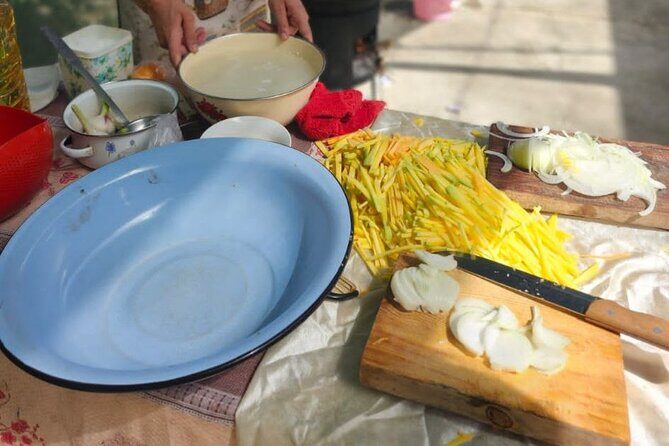
The bazaar stop isn’t there to fill time. It helps you understand why Uzbek food tastes the way it does. You learn what to look for when the goal is flavor, not perfection.
Here’s what tends to make this part work well for you:
- You can ask questions while ingredients are still in front of you.
- You see the everyday rhythm of market life, which makes the later cooking feel grounded.
- You’ll pick up practical cues for things like bread, meat selection, and common cooking add-ons.
A couple reviews highlight that the hosts can handle preferences like vegetarian meals. That matters because it means you’re not stuck with a one-size-fits-all menu. When the guide understands your needs early, the day feels more tailored.
One practical note: markets are active places. Wear shoes that handle uneven ground and be ready for plenty of close-up viewing. If you get hangry, you might want a small snack before you go—market walking can stretch a bit depending on how the family’s timing works that day.
Cooking in a Real Home: Plov, Pastries, and the Stuff Between
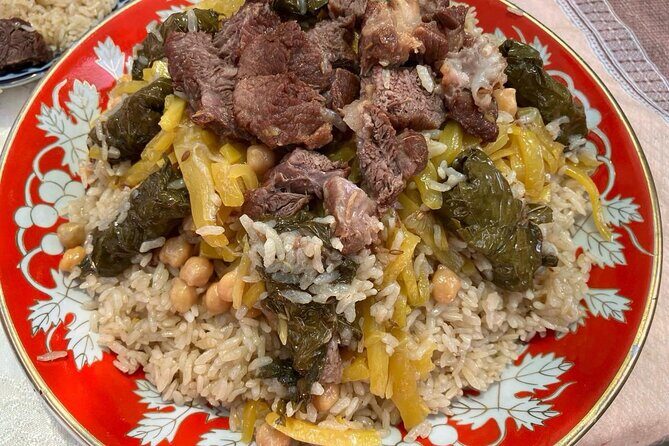
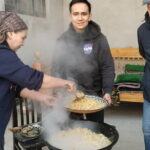
Once you leave town for the village portion, the day shifts into slow, focused cooking. This is where the tour earns its reputation. You’re not just watching. You’re working, asking, and learning the logic behind Uzbek home cooking.
Plov: the dish people measure themselves by
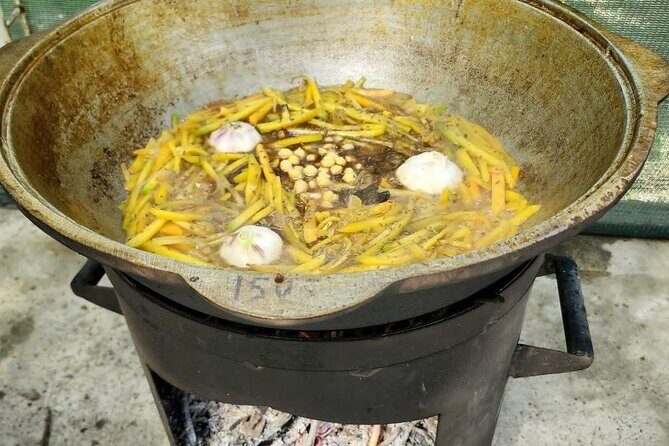
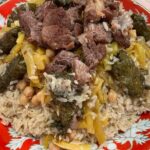
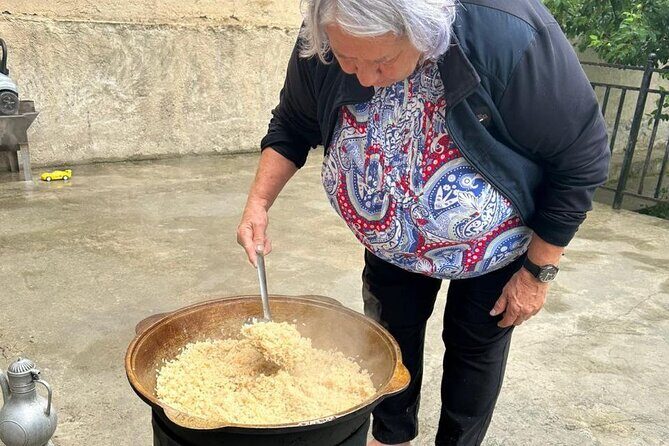
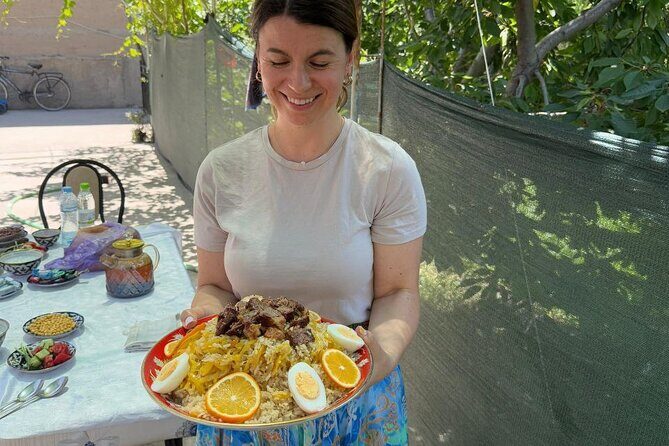
Plov shows up again and again as a highlight. It’s the centerpiece in many sessions because it’s both iconic and technical. When someone teaches you plov step-by-step, you start to understand why the rice, fat, meat, and aromatics behave the way they do.
Reviews point out that the instruction can be very clear, even for complex dishes. One host named Gulrux is specifically praised for walking people through the process at a real home pace. That step-by-step teaching is exactly what you want if you’re worried you’ll be lost in the kitchen.
Other dishes you might make
Depending on your group and the family’s plan, you may cook dishes such as:
- manti (dumplings)
- dolma (stuffed vegetables)
- shashlik (grilled meat)
- samsa (savory pastries)
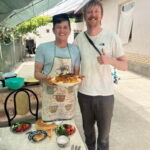
The menu isn’t presented as a marketing checklist. It’s presented as food the family actually eats and knows how to teach. And if you mention dietary preferences upfront, the guide is able to adjust the plan.
A few more Samarkand tours and experiences worth a look
Family interaction is the point, not the extra
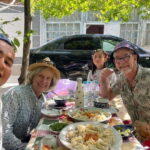
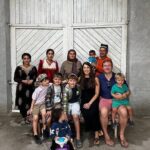
Food cooking in Uzbekistan often comes with conversation, laughter, and side activities. The day can include family members joining in, and the pacing feels more like being invited than being processed. Some sessions include light activities such as chess, which might sound small, but it’s a great reminder that you’re learning culture through everyday moments.
A small warning: some participants say the experience feels slow in a good way, but that also means you may not cover every imaginable hands-on task. If you love the idea of doing everything from start to finish, set your expectations for what a 5-hour day can reasonably include.
Konigil Paper, Oil Meal, and Pottery: The Village Work That Feeds Daily Life
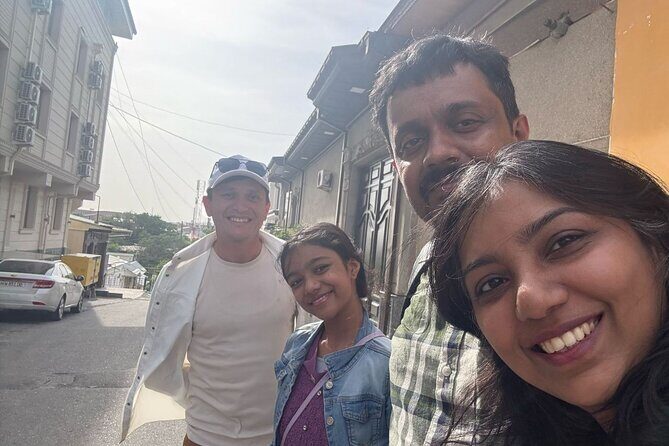
Many Samarkand food tours stop at the meal. This one keeps going with village craft stops connected to real production.
Konigil paper factory
The day can include a visit connected to Konigil paper. Even if you don’t plan to buy anything, it’s a fascinating break from the kitchen rhythm. You see another side of local labor—how materials are turned into usable goods.
Oil meal and pottery workshops
You may also see oil meal production and a pottery workshop. These stops are valuable because they explain how families think about their tools and resources. It’s not just entertainment; it makes the village feel like a system, not a stage.
What I like about pairing food with craft is that both are skill-based. When you watch hands work with materials—then go cook a dish that relies on ingredients and technique—you start connecting the dots between daily work and daily taste.
If you’re the type who likes souvenirs, you’ll likely find purchases more meaningful after seeing the work behind them. If you’re not, that’s fine too. The educational value comes from watching, asking, and seeing how people make things that last longer than a single meal.
Pickup, Private Group, and the Timing That Makes It Comfortable
This is a private tour/activity, meaning only your group participates. That changes the experience in practical ways:
- Questions get answered without cutting anyone off.
- The pace can slow down when the family is teaching something hands-on.
- You’re less likely to feel like you’re racing through stages.
Pickup is offered from your hotel, and the start time is flexible. The operating window shown is 9:00 AM to 10:00 PM, Monday through Sunday, so you can usually find a time that fits your Samarkand plan.
The tour typically lasts around 5 hours, so you can book it as a main activity day without losing your whole afternoon or evening. Still, plan for a relaxed flow. This is not a sprint.
Also, a lot of people book this experience fairly close to arrival planning—on average about 9 days in advance—so if you’re traveling in peak season, book earlier rather than later.
Price and Value: What You’re Paying For
At $65 per person, this isn’t the cheapest thing you can do in Samarkand. But it’s not overpriced when you think about what you’re getting.
You’re paying for:
- hotel pickup
- a bazaar ingredient walk
- in-home cooking instruction with a family
- time with village crafts tied to Konigil paper, plus oil meal and pottery work
- a private format for your group
In other words, you’re not just buying a recipe. You’re buying access: access to a family home, to market knowledge, and to village production work that most people only see from afar.
When value is this connected to real people and real work, the best way to get your money’s worth is to come with curiosity. Ask why something is done a certain way. Show interest in the market choices. The more engaged you are, the more the day pays you back.
Who This Tour Fits Best
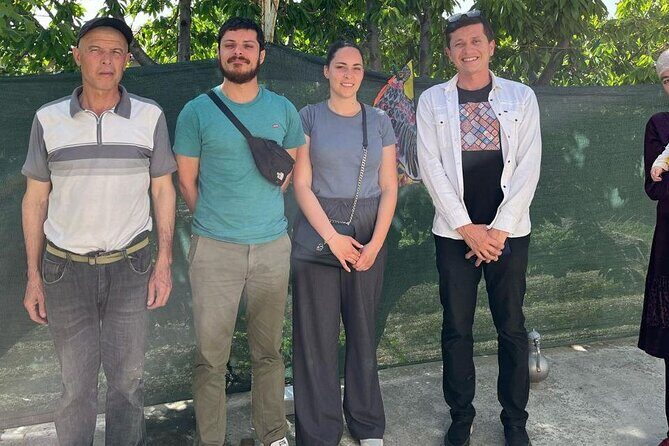
This is a strong match if you:
- want Uzbek food taught in a practical way, not just watched
- like cultural connection as much as cooking technique
- prefer a smaller, private pace over group rush
- enjoy markets and village craft visits, not only the meal
You might like a different style if you:
- want a fast, action-packed itinerary where you do everything at full speed
- prefer cooking purely in a formal kitchen with strict “demo” structure
- dislike home environments (the best part of this day is the human side)
Tips to Make Your Day Go Smoothly
A few practical moves will help you enjoy the day more:
- Wear closed-toe shoes you can walk in comfortably during the market and village stops.
- If you have dietary preferences, communicate them clearly when you book so the family can plan properly.
- Be ready for a slower pace. Cooking in a home takes time, and that’s part of the charm.
- Bring a curious mindset. Even simple questions about ingredients or daily routine make the day feel personal.
If you’re tempted to treat this as a cooking class only, you’ll miss half of it. The real payoff is how you understand daily life through food and hands-on village work.
Should You Book This Cooking Class in Samarkand?
Yes, I think you should book it if your idea of a great Samarkand day includes market-to-home food learning and at least a couple stops beyond the kitchen. The format is private, pickup is included, and the food teaching centers on hands-on guidance for dishes like plov.
I’d hesitate only if you need a tightly scheduled, fast itinerary with maximum “activity per minute.” This experience runs on human pace. The best version of it is when you slow down with it.
If you can align your schedule and you’re curious about how Uzbek families cook and make everyday goods, this is one of the more meaningful ways to spend your time in Samarkand.
FAQ
How long is the cooking class?
It lasts about 5 hours in total.
Is hotel pickup included?
Yes. Pickup is offered, and you’ll be picked up from your hotel.
Is this tour private?
Yes. It’s a private tour/activity, and only your group participates.
What dishes will we cook?
You’ll cook traditional Uzbek dishes such as plov (rice pilaf), shashlik (grilled meat), and samsa (savory pastries). Some sessions may also include other items like manti and dolma.
Can the tour handle vegetarian preferences?
Yes. The experience can consider vegetarian preferences during the market and cooking planning.
Can I cancel for a full refund?
Yes. You can cancel up to 24 hours in advance for a full refund. If you cancel less than 24 hours before the start time, the amount paid is not refunded.