REVIEW · SHAKHRISYABZ UZBEKISTAN
One day tour to Shakhrisabz: Motherland of Amir Temur
Book on GetYourGuide →Operated by Fayoziddin · Bookable on GetYourGuide
Temur’s homeland feels cinematic even on a tight schedule. I love the jaw-dropping Ak Saray scale and the eerie, face-like rocks in the Valley of Demons. One thing to plan for: entrance tickets and lunch aren’t included, so budget a bit extra once you’re in Shakhrisabz.
This is a smart day trip when you want major monuments plus scenery without cramming a full vacation. You’ll ride in an air-conditioned vehicle, stop for photos at the best angles, and get an English/Russian/Persian guide who can connect the buildings to the people and power behind them.
The trade-off is time: it’s a long day with a road trip (often around two hours each way), so bring snacks/water if you’re the kind of person who hates waiting. Still, it’s excellent value for a $54 per person outing that covers several of Shakhrisabz’s must-sees.
In This Review
- Key Highlights You’ll Remember
- A One-Day Route That Actually Feels Like a Day
- Getting From Samarkand: The Ride Is Part of the Plan
- Valley of Demons: When Stone Looks Like Myth
- Heart-stone: A Natural Detail Worth Pulling Over For
- Shakhrisabz Photo Stop (Most of the Day): Big Monuments, Good Timing
- Ak Saray: The Power Portal Amir Temur Left Behind
- Darus Saodat Complex: Where Architecture Meets Grief
- Kuk Gumbaz Mosque: A Persian-Style Moment in Shakhrisabz
- Mountain Views and the Food Stop: Tandoor-Gush on the Road
- What’s Included vs. What You’ll Pay For
- Guides Make the Difference Here (Fayoziddin and Ikrom)
- Return to Samarkand: Drop-Off Where You Need It
- Should You Book This Shakhrisabz Day Trip?
- FAQ
- What is the duration of the Shakhrisabz day tour?
- Where does the tour start?
- How much does the tour cost?
- What sights are included in the plan?
- Is entrance ticket cost included?
- Is lunch included?
- What food should I expect during the day?
- What languages are the guides available in?
- Is pickup and drop-off included?
Key Highlights You’ll Remember
- Valley of Demons boulder formations that look like faces, deities, or wild animals
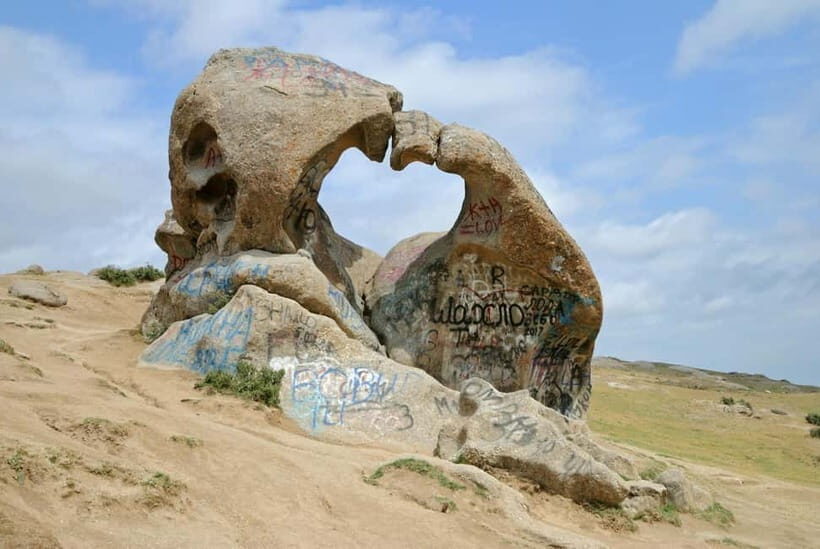
- Heart-stone with a natural heart-shaped hole, 30 km south of Samarkand on the Amankutana road
- Ak Saray portals: surviving entrance arches over 40 meters tall, tied to Amir Temur’s building program
- Darus Saodat complex linked to Jahangir’s death, with mosque, mausoleum, gates, and tombs
- Kuk Gumbaz Mosque (opened 1435), a standout example of Persian-style architecture
- Mountain scenery + tandoor-gush (lamb meat) on the road
A One-Day Route That Actually Feels Like a Day
Shakhrisabz is one of those places where you can’t help but think big thoughts. Amir Temur’s world was political and military, but it also left behind stone statements: portals, mosques, tomb complexes. This one-day tour is built to give you the main story beats—without forcing you to choose between monuments and nature.
For $54 per person, the value is in the coverage. You get a private setup with a guide, a driver, bottled water, and an air-conditioned car—plus photo stops timed so you’re not just rushing from door to door. The day is also flexible because it’s a private group, and the pickup can be requested from your hotel, airport, railway station, or even Gur Emir Mausoleum.
The most praised part of the experience is the human one: guides like Fayoziddin and Ikrom are described as patient, professional, and good at explaining what you’re seeing. That matters here, because Shakhrisabz isn’t just pretty ruins—it’s a map of power, grief, and design choices.
A few more Shakhrisyabz Uzbekistan tours and experiences worth a look
Getting From Samarkand: The Ride Is Part of the Plan
You start with pickup in Samarkand, then head toward Shakhrisabz. The drive is often around two hours, and that time is useful. It means you’re not immediately dropped into a whirlwind; you can settle in, ask questions, and learn how Uzbek culture and history connect to the sites you’ll see later.
What I like about doing this as a day tour is that the transport logistics are handled. You’re not negotiating rides, figuring out where to park, or trying to line up entrance timing on your own. And because it’s private, you can move at a pace that fits your group.
If you’re sensitive to long car rides, consider bringing something to snack on. Lunch isn’t included, and while you will stop for regional food, you may still want a buffer.
Valley of Demons: When Stone Looks Like Myth
One of the early nature stops is the Valley of Demons. This is not a museum stop with labels and glass. It’s more like an outdoor riddle. The area has huge boulders and scattered strange stones with shapes that can remind you of demons, pagan deities, or even wild animals.
This is the kind of place where your brain starts doing the fun work for you. You don’t need a guide to tell you what you’re looking at—you need a little time and a good viewpoint. Here, that’s exactly what you get: a chance to slow down, compare rock shapes, and take photos from the right angles.
The practical note: wear shoes with decent grip. Loose rock and uneven ground are common in natural areas, even when the stop is short. You’re not doing a hike here, but you still want sure footing.
Heart-stone: A Natural Detail Worth Pulling Over For
Next is the heart-stone, known for its heart-shaped hole that goes through the rock. It’s located about 30 km south of Samarkand, on the road toward Amankutana. It’s one of those quick stops that feels small until you see it in person.
Why it works on a day trip: it gives you variety between major monuments. After the odd scale of the Valley of Demons, the heart-stone feels like a specific, human-readable symbol—one you can photograph easily and remember easily.
If you care about photos, pause here long enough to catch the hole from different angles. The heart shape reads best when the light and your viewing angle line up.
Shakhrisabz Photo Stop (Most of the Day): Big Monuments, Good Timing
The itinerary gives you about 3 hours for Shakhrisabz with photo time built in. In practice, that block lets you see the key sites without feeling like you’re sprinting through.
Photo stops aren’t just extra—they help you capture the architecture properly. Shakhrisabz’s most famous elements are vertical: portals, towers, domes. If you’re trying to photograph tall features while walking fast, you miss the best angles. Having time reserved for photos means you’ll actually come away with images that look like the place you saw.
Ak Saray: The Power Portal Amir Temur Left Behind
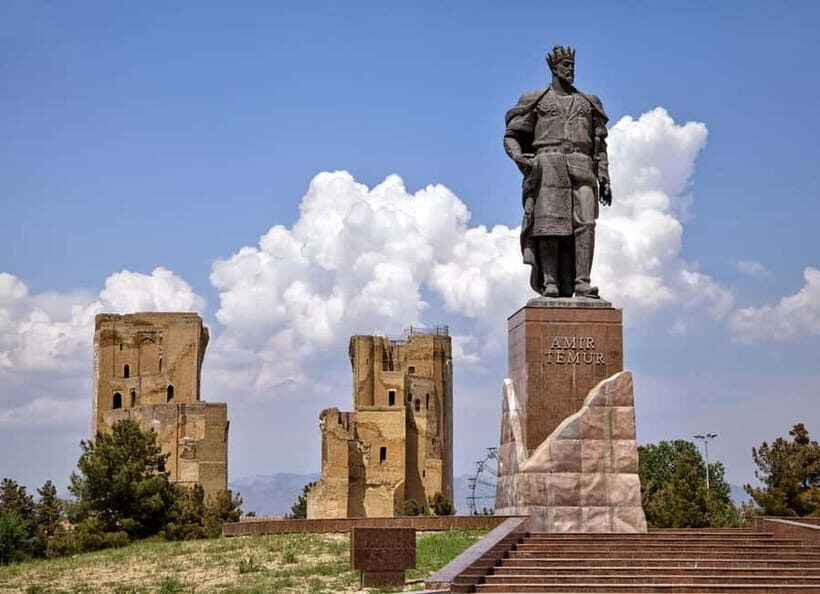
Then comes the centerpiece: the Ak Saray Palace complex. A quick context helps you understand why it’s so dramatic. Ak Saray was built by order of Amir Temur after his campaign against Khorezm, with construction estimated to have begun in 1379.
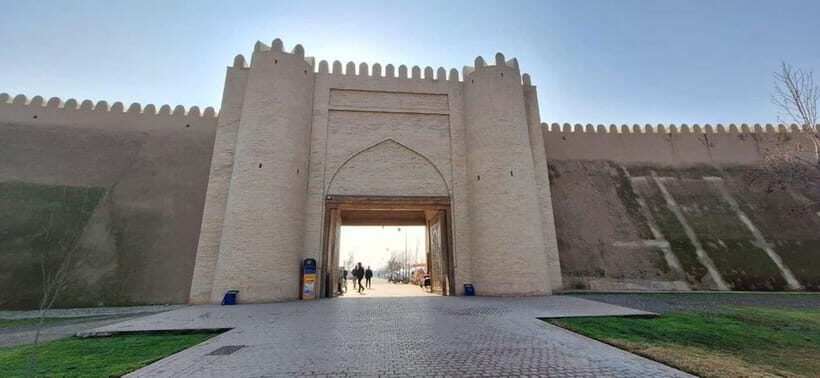
Here’s the key thing you’ll appreciate on the ground: only parts survive. But what survives is impressive. At the moment, two separate entrance portals remain, each more than 40 meters high. Seeing those arches in person is a reality check. It’s one thing to read about scale; it’s another to stand beneath it and feel how public and forceful that statement must have been.
What I like most: this stop teaches you to look up. Don’t just take the main picture from the front. Walk a bit (within safe visitor areas) and notice how the shape changes as you shift your position.
Potential drawback: because you’re seeing an active ruin site, you’ll want to manage expectations. You’re not touring a fully intact palace. You’re viewing a monumental remnant—and the value is in how that remnant communicates the original ambition.
Darus Saodat Complex: Where Architecture Meets Grief
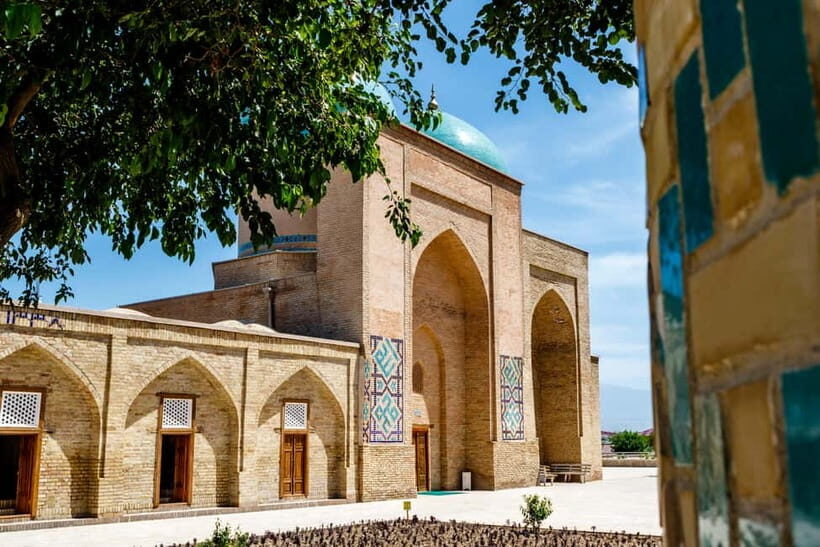
Next is the Darus Saodat Complex, which developed after the death of Amir Temur’s eldest son Jahangir. The ensemble includes several buildings: a mosque, a mausoleum, a room for pilgrims, three gates, and tombs.
This is where Shakhrisabz shifts from politics-as-stone to emotion-as-space. You can feel the purpose of the complex in how it’s arranged and connected. It’s not just random sightseeing; it’s a designed environment for remembrance.
The tour also includes descending into a crypt intended for Amir Temur himself. That detail changes the tone of your visit. Suddenly the day isn’t only about art and architecture—it’s also about mortality and legacy.
Practical tip: if stairs or steps are involved at the crypt, take your time. The tour notes the experience is wheelchair accessible, but some ruins and transitions may still be easier if you move slowly.
Kuk Gumbaz Mosque: A Persian-Style Moment in Shakhrisabz
After the palace and the complex, you’ll see Kuk Gumbaz Mosque. It opened in 1435 and is described as the largest mosque in Shakhrisabz. It was built on the foundation of a pre-Mongol mosque, which gives it a layered historical feel.
Architecturally, it’s valued as a striking example of Persian style. Even if you’re not a hardcore architecture nerd, you can still notice the design logic—how space is shaped, how lines and domes guide your eye, and how religious architecture here ties back to wider regional traditions.
This stop balances the day. Ak Saray is huge and public; the mosque is more about order and worship space. Together, they give you a fuller picture of what mattered in Temur’s era.
Mountain Views and the Food Stop: Tandoor-Gush on the Road
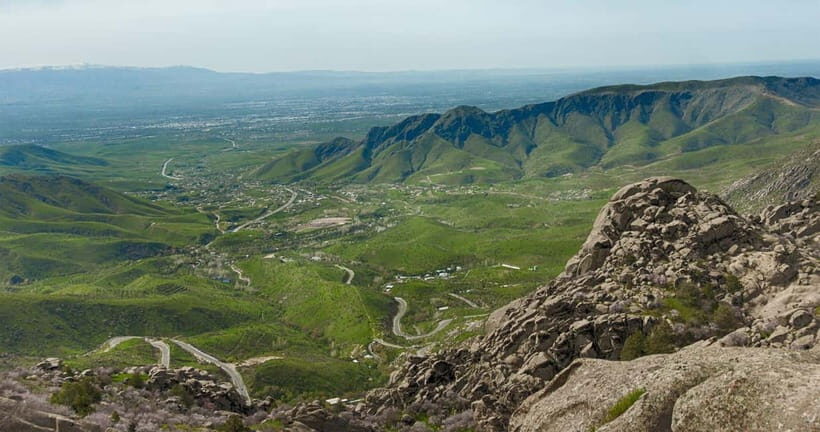
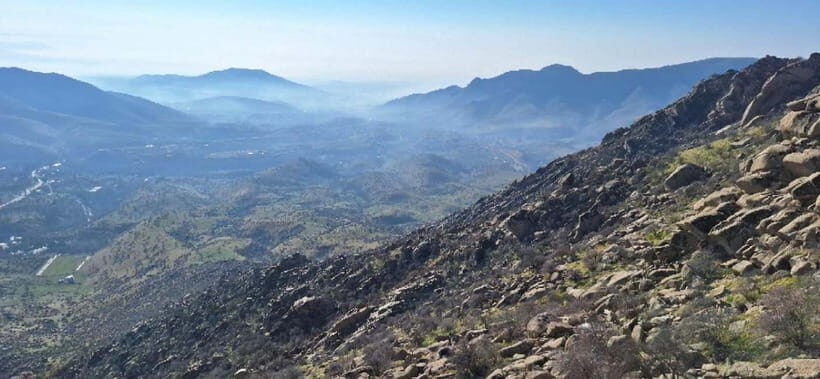
Between monuments, the tour leans into mountain scenery. You’ll see views along the way, and that change of scenery is not a minor detail—it keeps the day from feeling like a checklist.
Then there’s the food moment: a regional food stop (about 30 minutes) and the chance to taste tandoor-gush—lamb meat cooked in a tandoor style. One of the best things about this tour is that it treats food like part of the experience, not just an optional extra.
Important reality check: lunch isn’t included. Even so, you’ll have at least one scheduled regional food break, and you can usually use that as your meal plan. If you’re picky about portions or you want a full lunch rather than a snack-like stop, plan to pay for anything beyond what’s arranged.
What’s Included vs. What You’ll Pay For
This tour keeps the basics covered:
- Guide service
- Driver service
- Bottled water
- Air-conditioned vehicle
- Photo stops at the best spots
What’s not included:
- Entrance tickets
- Lunch
That matters for budgeting. If you hate surprise costs, set aside a little extra for entrances and any extra meal you want after the regional food stop. Still, the overall price remains strong because you’re paying for private transportation and a guide who can explain the sites while you’re there.
Guides Make the Difference Here (Fayoziddin and Ikrom)
The day trip is packed with meaning, and the guide is the connector. In particular, Fayoziddin is praised for being patient and consistently helpful, with clear explanations that make Uzbek culture feel easier to understand. Ikrom is highlighted for strong knowledge of Shakhrisabz and for being both guide and driver—useful on a long drive when you want conversation and context.
If you’re booking and you care about learning, private format is the advantage. You’re not trying to hear over a crowd. You can ask questions when something clicks—like why Darus Saodat exists as a designed response to Jahangir’s death, or how Ak Saray’s surviving portals reflect the original ambition.
Return to Samarkand: Drop-Off Where You Need It
At the end of the day, you’ll get two drop-off locations in Samarkand. One address listed is Бўстонсарой кўчаси 93, Samarqand. In practice, the most important part is that you’re not stuck arranging your own ride back after a long day of walking and sightseeing.
Also, because pickup can be chosen by request (and drop-offs are handled), you’re less likely to waste time hunting down meeting points.
Should You Book This Shakhrisabz Day Trip?
Book it if you want a high-value day with real coverage: Ak Saray’s towering portals, Darus Saodat’s solemn complex, Kuk Gumbaz Mosque, plus nature stops like the Valley of Demons and heart-stone. You’ll also enjoy the practical comfort of private transport and a guide who can explain what you’re seeing.
Skip or think twice if you hate long days in a car, or if you want a fully meal-included experience (lunch and entrance tickets aren’t included). It’s still a good deal, but you’ll need to plan your spending once you arrive.
If you’re only in Uzbekistan for a short time and you’re already in Samarkand, this is one of the cleanest ways to get Shakhrisabz without turning the day into a stressful logistics puzzle.
FAQ
What is the duration of the Shakhrisabz day tour?
The tour lasts 1 day.
Where does the tour start?
Pickup is in Samarkand.
How much does the tour cost?
The price is $54 per person.
What sights are included in the plan?
You’ll see Ak Saray (ruins and portals), the Darus Saodat complex (including the mosque and mausoleum complex), Temur’s crypt, and Kuk Gumbaz Mosque, plus stops like the Valley of Demons and the heart-stone.
Is entrance ticket cost included?
No. Entrance tickets are not included.
Is lunch included?
No. Lunch is not included, though there is a regional food stop.
What food should I expect during the day?
You’ll have a regional food stop and you’ll get the chance to taste tandoor-gush (lamb meat).
What languages are the guides available in?
Live tour guides are available in English, Russian, and Persian.
Is pickup and drop-off included?
Yes. Pickup is included and you can choose a pickup point by request. Drop-off is also included in Samarkand.