Khujand is the kind of place where a single street feels layered. This 1-day trip takes you from Tashkent across the border to an ancient Silk Road city tied to Cyrus and Alexander, then back again with a guide and a focused 3-hour city sightseeing stop. If you like history you can point to, Khujand delivers in real locations, not just dates. I especially like the way Khujand connects past trade routes to today’s Paishanba market life.
Two things I like a lot: first, the day is run like a proper logistics plan—private transfers, guided sightseeing, and a professional, certified guide. Second, you get a real taste of local daily life at the Paishanba bazaar, plus time for key sights like fortress ruins and architectural monuments from the 1500s. That mix of busy market energy and calmer streets is exactly the balance you want on a short trip.
One thing to consider before you book: the border and visa rules matter. You’ll need a Tajikistan visa if required, plus at least a double-entry Uzbekistan visa, and border processing can be slow and unpredictable. Also, meals and entrance tickets are not included, so you’ll want to budget a bit extra beyond the tour price.
In This Review
- Key things to know before your Khujand day
- A short day in Khujand, built around big trade routes
- Border logistics: the part that can make or break your day
- Tashkent pickup and the reality of two hotel options
- Khujand sightseeing time: 3 hours that actually fit the city
- Paishanba bazaar: the noise, the fruit, and the real shopping rhythm
- Food expectations when meals aren’t included
- Guide experience: what matters most in a border day
- Price and value: $270 for up to 3, and what you’re paying for
- Who this Khujand day trip is best for
- Small risks to factor in before you book
- Should you book the Khujand Day Tour from Tashkent?
- FAQ
- What is the duration of the Khujand day tour?
- How much does the tour cost?
- Where are the pickup and drop-off locations in Tashkent?
- How long do we spend on guided sightseeing in Khujand?
- What parts of the journey are included in the transportation?
- Is a meal included in the price?
- Are entrance tickets included?
- Do you get a live tour guide?
- What languages are available for the guide?
- What visa requirements should I know before joining?
- Is there free cancellation?
Key things to know before your Khujand day
- A Silk Road stop tied to Cyrus and Alexander: you’re visiting a city with Achaemenid roots and later Alexander-era rebuilding.
- Paishanba bazaar visit: plan for noise, lots of fruit, and serious local shopping energy.
- Fortresses and 1500s monuments: the sights aren’t just old—they’re tied to how the city was defended and traded.
- Private-group day with professional guide: your schedule stays focused, guided, and not stretched into a long multi-stop marathon.
- Border crossing is part of the adventure: expect multiple checks and bring your documents ready.
A short day in Khujand, built around big trade routes
Khujand is often described as one of the oldest cities in Central Asia, with an age around 2,500 years. What makes it feel worth the effort is that the city isn’t stuck in one era. You’ll hear (and see) how it began with Cyrus, then later Alexander the Great rebuilt and strengthened it, even giving it a name tied to the idea of Alexandia Farther. That long timeline is why Khujand works so well for a day trip: you can connect what you see to why the place mattered.
This city sat at a useful junction on the Silk Road. It connected Samarkand with the Fergana Valley and onward toward China. Standing in the city, you don’t need to guess at its role; the route logic is built into how Khujand’s markets, streets, and defensive structures make sense. It’s also why the bazaar visit feels more than a tourist photo stop. You’re seeing the kind of commerce that likely fed Central Asian travelers for centuries.
The trip is designed to keep you from wasting the day. You’re looking at one pickup, one guided block in Khujand (3 hours), then the return ride back to Tashkent. It won’t feel like you’re living on a bus all day, but you will spend real time on the border leg.
You can also read our reviews of more tours and experiences in Tashkent.
Border logistics: the part that can make or break your day
The tour’s core structure is simple: you’re transported from Tashkent city to the Uzbekistan–Tajikistan border (about 120 km), then moved from the border to Khujand (about 60 km). On the way back it’s the same distances again. In other words, this is not a “you drive yourself” day. It’s a transfer day with guidance.
The border crossing is where you need your head screwed on. Based on real experiences from past participants, the process can run long and involve multiple passport checks. One person described it as quite drawn out and noted that their passport was checked more than once while crossing. That’s normal for crossing points that handle multiple levels of paperwork and security.
Here’s the practical angle: your visa status is not theoretical. If Tajik entry isn’t approved in the system, you can be refused even after submitting forms through emails. One confirmed booking reported refusal at the border because no visa in the system matched their situation. The lesson is not to panic—it’s to treat your visa documentation like the main attraction of the trip, not an afterthought.
Tashkent pickup and the reality of two hotel options
From Tashkent, the pickup options are limited to two hotels: Le Grande Plaza Hotel and Uzbekistan Hotel. Drop-off uses the same two options. This is easy and clean if you’re staying at one of those hotels. If you’re not, you’ll likely need to get yourself there by taxi before the tour starts.
One past experience included a small hiccup: the participant took a taxi to Uzbekistan Hotel and realized the pickup route drove past the hotel where they actually stayed. Their tour still worked out once the day started, but the lesson is clear—double-check which hotel you’re assigned to and where the driver expects you.
The upside of this setup is that it keeps the transfer day orderly. Two pickup points means less wandering through traffic to collect people. In a border-crossing itinerary, that matters.
Khujand sightseeing time: 3 hours that actually fit the city
You get about 3 hours for guided sightseeing in Khujand. The tour doesn’t try to cram in everything. Instead, it focuses on what gives you an informed feel for the city.
A good day trip needs a backbone, and Khujand’s backbone is visible in three types of stops:
1) Defensive ruins and fortress areas
Ruins of fortresses are part of the experience. These are the city’s older “why” in stone—how Khujand protected itself while trade ran through town.
2) Architectural monuments from the 1500s
The itinerary points to architectural monuments dating to the 1500s. That matters because it gives you a sense of how the city continued to develop long after its early foundations.
3) The city streets and key viewpoints
Quiet streets are specifically part of the feel of the day, even though you’ll also spend time in the bazaar. That contrast is useful: market time shows daily life, then calmer streets help you reset your brain and actually absorb what you’re looking at.
If you like guides who set context before you reach a site, this format tends to work well. You get time to connect what you hear with what you see, without the frantic “run, point, move on” style.
Paishanba bazaar: the noise, the fruit, and the real shopping rhythm
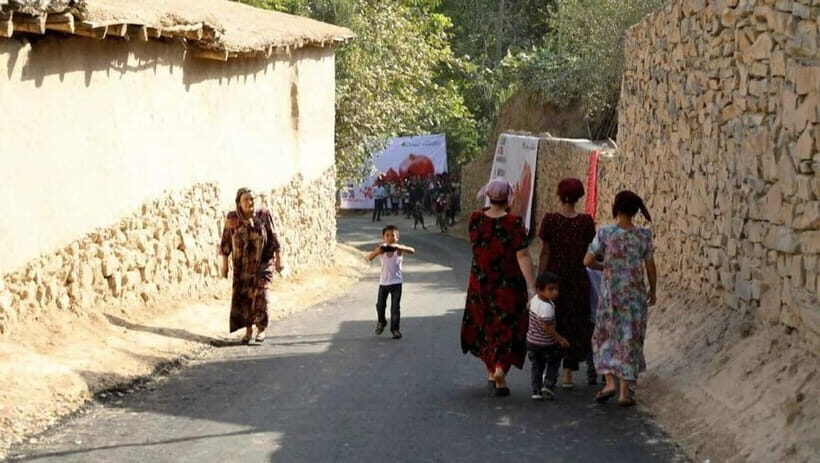
One highlight is the noisy and vibrant oriental bazaar Paishanba, described as the largest market in Tajikistan. You’ll likely notice the shift the moment you step in. Markets do this: they change your pace without asking. You move slower, look longer, and pay attention to details you’d miss on a quiet walking route.
What makes Paishanba especially interesting for a day trip is that it’s not just an attraction—it’s a function. Past experiences emphasized the variety of delicious fruits and the hospitality of locals. That combination is what makes a bazaar stop more than shopping entertainment. You get a human layer: people reacting to visitors, explaining things, and showing how the market works day to day.
A practical tip for this part: wear comfortable shoes and be ready for sensory overload. This market is big, it’s active, and you’ll feel it quickly. The tour keeps this time built into your guided day, so you’re not wandering on your own without context.
Food expectations when meals aren’t included
The highlights mention experiencing local meals in Khujand, which is what many people want from a regional day trip. The catch: meals are not included in the price, and entrance tickets are also not included.
So how does this work in practice? It usually means you’ll have a chance to stop for food during the day, but you should expect to pay for your meal separately. The guide can help you target what fits your preferences and schedule. If you’re someone who wants one solid local meal rather than a full restaurant selection, this is often the best approach: keep it simple, eat well, and spend the rest of your energy on sightseeing.
If you have dietary needs, bring that up early with your guide during the Khujand portion. Since you’re on a short timeline, clear communication helps you avoid losing time.
Guide experience: what matters most in a border day
The tour includes a professional certified guide, and the language options are broad: Arabic, English, German, Japanese, Italian, Korean, Persian, Russian, Spanish, Tajik, Turkish, and Traditional Chinese. That’s a big deal because language can make border logistics and local interpretation smoother, especially when the day includes both customs processing and city navigation.
A standout detail from real experiences: one guide named Hussein was described as excellent, personable, and very knowledgeable about his country’s history, with perfect English and a calm pace. Another guide (a young woman) helped with translation during parts of the day, which can matter a lot when you’re dealing with forms and unfamiliar processes.
This is where a guide changes your experience. In a city like Khujand, history isn’t only written; it’s tied to places. A good guide helps you read those places faster—fortress ruins, monument areas, and market scenes—so you understand what you’re looking at without needing to research everything afterward.
Price and value: $270 for up to 3, and what you’re paying for
The tour price is $270 per group up to 3 people. On the surface, that sounds like a fixed cost for a short trip. But what you’re buying is a lot of movement and coordination, not just a city walk.
You’re covered for:
- Transport from Tashkent to the border and back (about 120 km each way)
- Transport from the border to Khujand and back (about 60 km each way)
- Local transport during the Khujand city tour
- A professional, certified guide
The big value is that you’re not trying to coordinate cross-border timing on your own. A day with borders can go sideways fast. This kind of structured transfer reduces stress and helps your day stay focused on sightseeing.
What’s not included is equally important:
- Meals
- Entrance tickets
So the real value check is simple: if you want a guided, hassle-reduced border-and-city experience for up to three people, the price can feel fair. If you’re traveling solo and can already handle border formalities smoothly, you might compare against other options. But for many groups, paying for a guide and transfers is what makes the day actually work.
Who this Khujand day trip is best for
This trip fits best if you want:
- A structured border-to-city day without building logistics yourself
- Guided sightseeing in Khujand with a focus on key historical and architectural areas
- A chance to see Paishanba bazaar, not just read about it
- A private group setup, so you aren’t squeezed into an overly rushed crowd tour
It can also be a solid choice if you prefer clarity and pacing. Past experiences emphasized guides who didn’t rush and who handled questions well. If you’re the kind of traveler who likes to ask why a place looks the way it does, a good guide makes the 3-hour sightseeing window feel longer.
Wheelchair accessible is listed, so it’s worth asking whether your specific mobility needs can be supported smoothly on the walk and market parts of the day.
Small risks to factor in before you book
Here are the main “be realistic” points that matter for your planning:
- Visa risk at the border: entry depends on visa status being recognized in the system. If your visa situation isn’t correct, you can be refused.
- Pickup location limits: pickups are only at two hotels in Tashkent. If you stay elsewhere, plan how you’ll get to one of them in time.
- Extra day costs: meals and entrance tickets aren’t included, so budget for that.
- Border timing variability: expect possible delays and multiple checks.
None of this is meant to scare you off. It’s just the honest checklist that turns this from a good idea into a smooth day.
Should you book the Khujand Day Tour from Tashkent?
If you want a guided, private-group day that connects Khujand’s ancient roots to the Silk Road trade reality—and you’re comfortable handling border formalities—this tour is a strong pick. The combination of fortress and 1500s monuments plus a Paishanba bazaar visit is exactly the kind of “one-day story” that works.
I’d book it if:
- You’re traveling with up to two friends or family members (the group price makes sense)
- You value having a guide handle interpretation and pacing
- You want the bazaar experience as part of the day, not as an optional detour
- Your visa and passport documents are fully ready for Tajikistan entry
I’d be cautious if:
- You’re unsure about your Tajikistan visa status or your Uzbekistan visa entry type
- Your Tashkent lodging is far from the two pickup hotels
- You hate uncertainty around border timing
If your documents are solid and you pick one of the pickup hotels, this is the kind of day trip that can feel surprisingly complete. You’ll leave with a clearer picture of Khujand as a place where trade, defense, and everyday life have been tied together for a long time.
FAQ
What is the duration of the Khujand day tour?
It runs for 1 day.
How much does the tour cost?
The price is $270 per group, up to 3 people.
Where are the pickup and drop-off locations in Tashkent?
Pickup and drop-off are available at Le Grande Plaza Hotel and Uzbekistan Hotel.
How long do we spend on guided sightseeing in Khujand?
The guided city sightseeing portion lasts 3 hours.
What parts of the journey are included in the transportation?
Transportation includes Tashkent to the Uzbekistan–Tajikistan border and back (120 km each way), plus border-to-Khujand travel and return (60 km each way), along with transport during the Khujand city tour.
Is a meal included in the price?
Meals are not included.
Are entrance tickets included?
Entrance tickets are not included.
Do you get a live tour guide?
Yes. The tour includes a live guide.
What languages are available for the guide?
The guide can work in Arabic, English, German, Japanese, Italian, Korean, Persian, Russian, Spanish, Tajik, Turkish, and Traditional Chinese.
What visa requirements should I know before joining?
You must have a Tajikistan visa if needed and at least a double-entry Uzbekistan visa if needed before joining.
Is there free cancellation?
Yes—free cancellation is available up to 24 hours in advance for a full refund.