REVIEW · TASHKENT
Plov and Samsa Cooking Class in Tashkent
Book on GetYourGuide →Operated by Asli Travel · Bookable on GetYourGuide
Plov starts with good timing and sharp knife work. This hands-on class in Tashkent is built around doing the cooking yourself, not watching someone else do it, and you’ll follow the logic behind classic Uzbek flavors as you go. I love that you get practical knife and cooking techniques right away, including chopping onion and carrot and working with the rice base that makes plov feel like a meal with structure.
Two things I especially like: you don’t just learn plov, you also make samsa during the cooking window, and it’s taught in a way that stays organized even with several steps happening. One drawback to consider is time: in just 3 hours, you’ll get a focused experience, not a slow, step-by-step practice session you can repeat until it feels effortless.
In This Review
- Key things that make this class worth your time
- Cooking plov and samsa at a Tashkent home (where food feels personal)
- What you’ll make: plov’s rice-meat-carrot backbone and the role of seasoning
- The plov workshop: cutting, frying, cooking, and steaming your own pot
- Samsa: the baked triangles break while plov steams
- Tasting the meal: why eating together is part of the learning
- Languages, accessibility, and what to wear
- Price and value: $160 per group for up to 2 people
- Meeting, timing, and getting there in Tashkent
- Who should book this class (and who might hesitate)
- Should you book Plov and Samsa in Tashkent?
- FAQ
- How long is the plov and samsa cooking class?
- What dishes will I learn to cook?
- Is there a vegan option?
- Do I need to bring anything?
- Is pick-up or drop-off included?
- What languages will the instructor speak?
- Is the class wheelchair accessible?
- What is the cancellation policy?
Key things that make this class worth your time
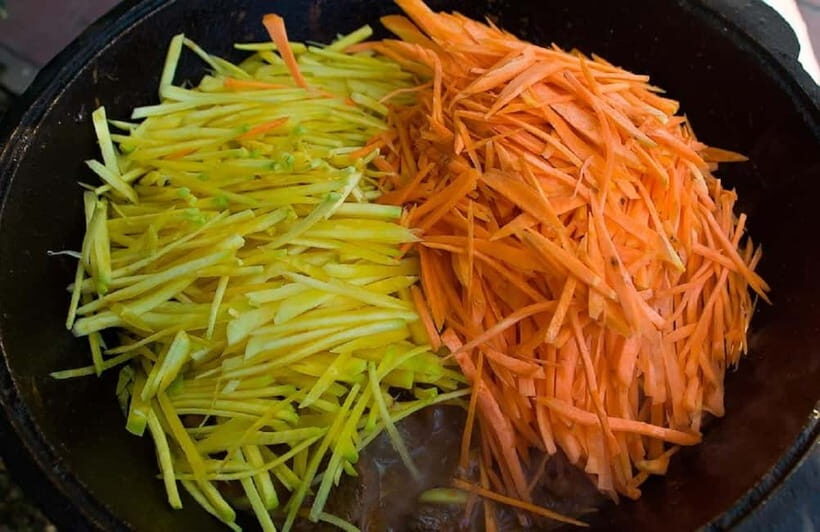
- Hands-on plov prep: you cut onion and carrot and help manage the cooking stages
- Steam + timing practice: after water goes in, you’ll see how the dish changes
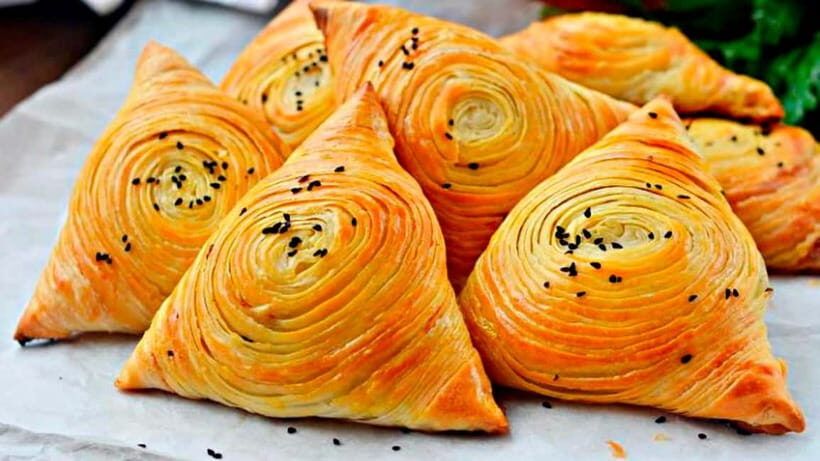
- Samsa dough technique: ghee-spread dough, tight rolling, portioning, chilling, then baking
- You eat what you cook: the meal is part of the lesson, not an afterthought
- Small private group: it’s set up for groups of up to 2 (so questions don’t get lost)
- Possible vegan-friendly option: meat is listed for plov, but there is a possibility without meat for vegans
Cooking plov and samsa at a Tashkent home (where food feels personal)
This class happens in a home setting in Tashkent Province, and that changes the whole vibe. Instead of a polished demo, you’re working inside a real kitchen flow where people help you keep moving and where the meal feels like it belongs to the house. One extra detail that comes up in the experience is warm hospitality: you may be greeted with traditional snacks, desserts, and tea, which makes the start feel relaxed rather than formal.
I also like the way the session is organized around participation. The host team supports you through the trickier moments, but you still do the key work—cutting, cleaning rice, and managing the cooking stages. The result is that you leave with skills you can actually repeat later, not just a story about how good Uzbek food is.
There’s also an important practical note: the hostess has a basic level of English, while instruction is available in Russian and English. So if you prefer everything in English, expect some moments to be more visual than verbal, and plan to ask questions when you can.
You can also read our reviews of more tours and experiences in Tashkent.
What you’ll make: plov’s rice-meat-carrot backbone and the role of seasoning
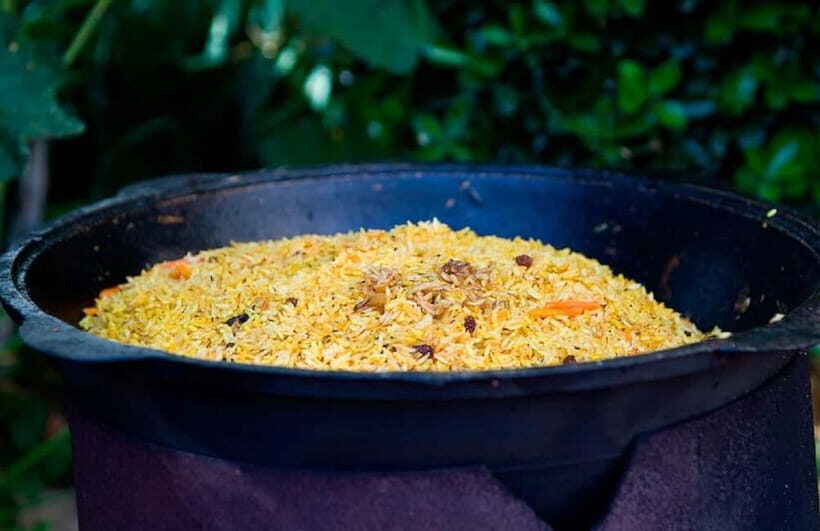
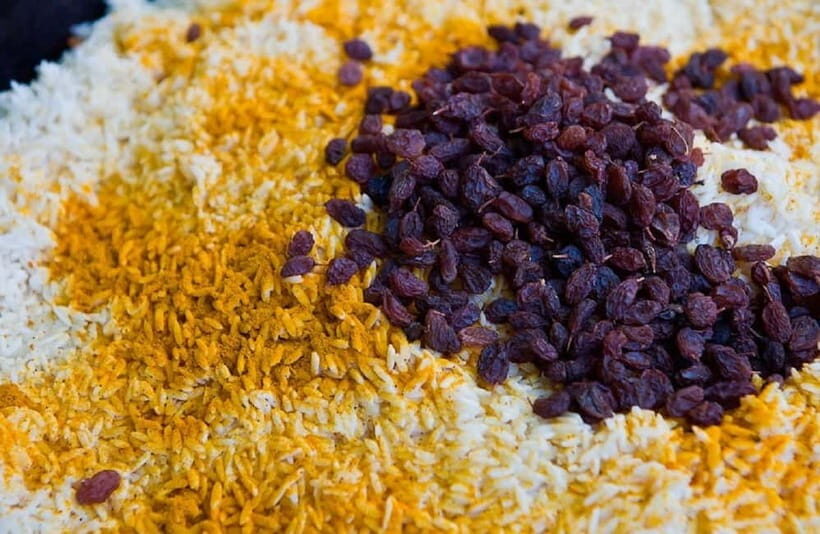
Plov is the main event, and the class is designed to teach you what holds it together. The ingredient list alone tells you it isn’t just rice with extras: you’ll work with rice, meat, carrot, onion, garlic, cumin, raisins, and sunflower oil. You can feel the balance of sweetness (raisins), warmth (cumin), and richness (oil and meat) even before you taste anything.
The other ingredient that quietly does a lot of work is the “support cast” you handle with your hands: onion and carrot. Cutting those ingredients is part of the lesson because it affects how they cook and how the flavor spreads through the pot. Even if you’ve cooked rice before, plov follows its own rhythm, and this class pushes you to pay attention to that rhythm.
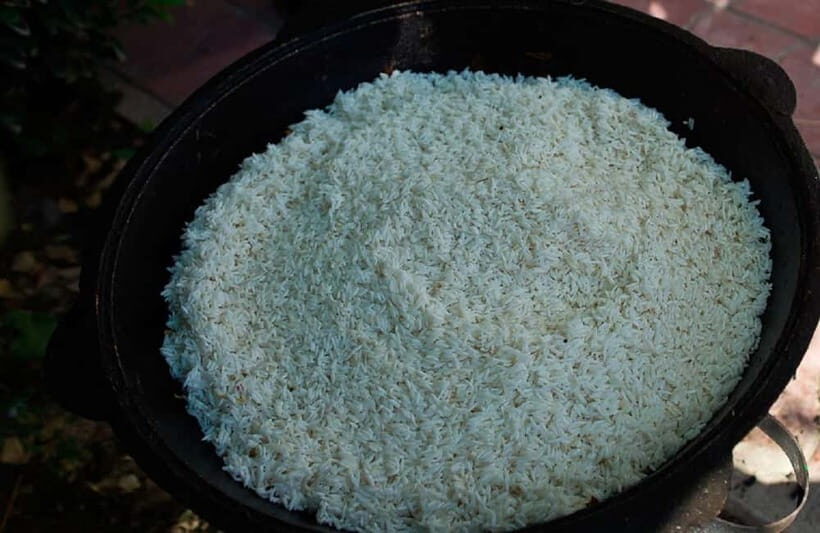
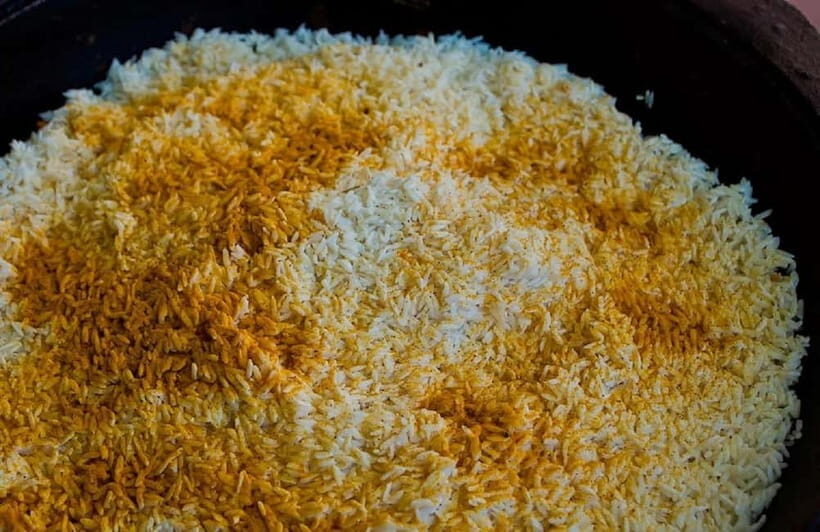
You’ll also learn that Uzbek palov isn’t just a single step dish. It involves stages—prep, frying, cooking, and finally steaming—so the final texture comes from more than one moment. That’s why the lesson doesn’t rush you through everything like a recipe video. It helps you understand the order, then lets you participate in that order.
The plov workshop: cutting, frying, cooking, and steaming your own pot
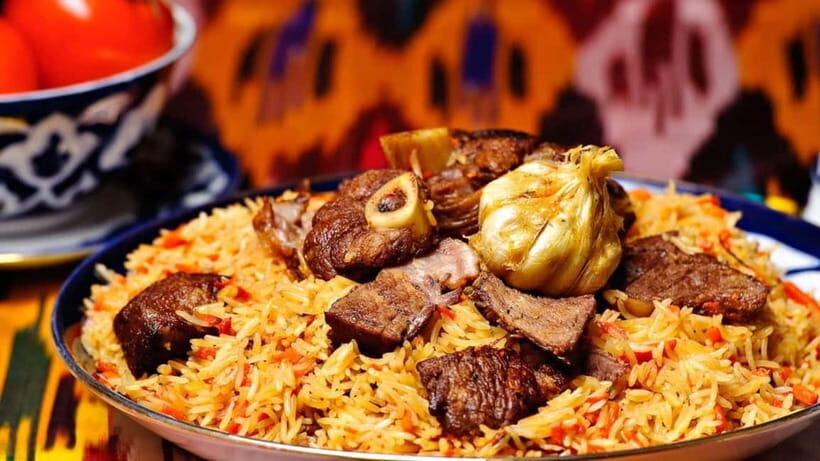
Your plov session is built around doing the key tasks, including the prep that most people skip when they cook at home. You’ll be responsible for chopping onion, carrot, and meat (and rice cleaning). There is a mention of a possibility to cook without meat for vegans, so if that matters to you, ask during booking so the plan matches your needs.
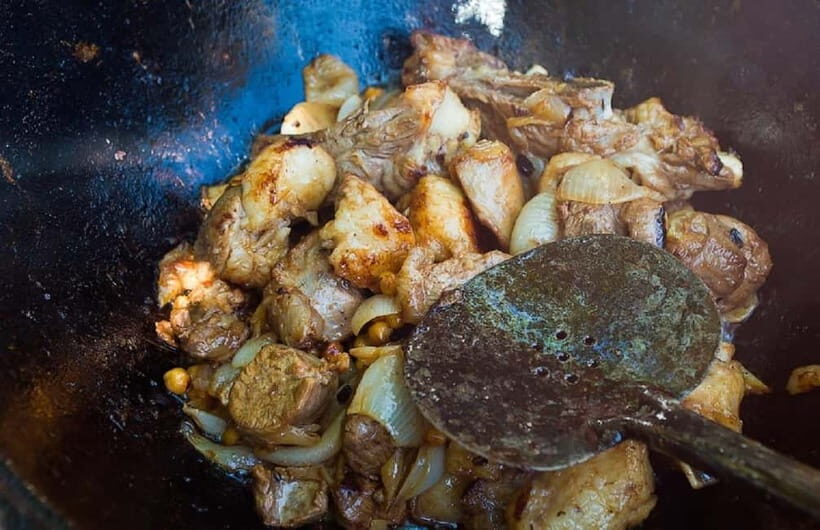
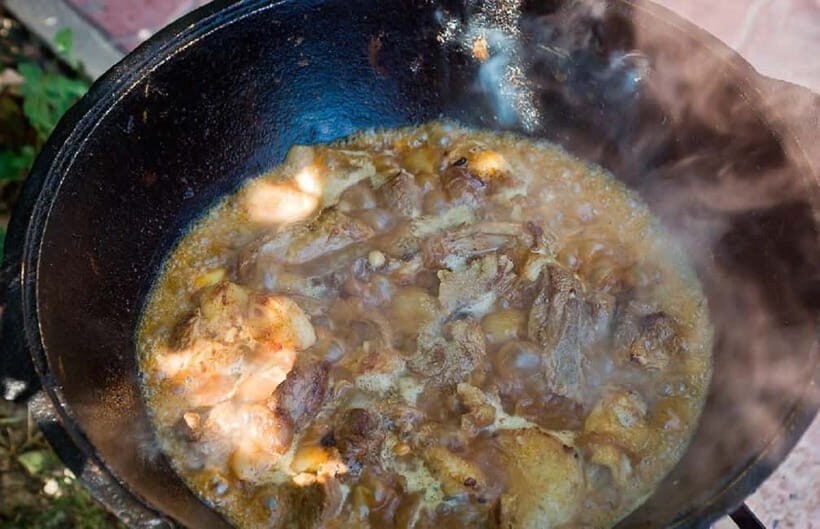
Then comes the cooking part. You’ll fry, cook, and steam your creations yourself, with help from the team so it stays tasty rather than stressful. The class structure matters here: it’s not only about heat, it’s about progression. When water is added for steaming, the dish shifts from frying flavor into slow-cooking comfort, and that’s one of the big “aha” moments.
Practical takeaway: if you’ve ever had rice turn out either mushy or bland, plov teaches you why that happens. You get a feel for how oil, aromatics, and spices act like a flavor base, then the steaming stage locks in the final texture. You also see how garlic and cumin influence the whole pot, not just the surface.
And yes, you get to work with raisins. They can sound strange if you associate them only with desserts, but in plov they bring a gentle sweetness that balances the savory side. Handling them in the dish is different from just tasting them at the end.
Samsa: the baked triangles break while plov steams
The class uses a smart timing trick. While the plov is steaming, you get a free time window to make another traditional dish: samsa, also described as Uzbek samosa/samusa. This keeps the whole session from turning into waiting around. It also means you practice two different cooking styles: one pot-based meal and one baked pastry.
Here’s the core of what you’ll do for samsa. You start with simple dough, roll it out, and spread ghee (clarified butter) across it. Then you roll it tightly, divide it into equal portions, and chill those dough “patties.” After that, each portion is rolled out again, stuffed with minced meat, and baked in the oven.
A detail I like about this samsa method is that it’s structured. You’re not just mixing ingredients and hoping for luck. You follow steps that shape the final texture: rolling for layers, portioning for even baking, chilling for control, then stuffing and baking.
Even if your pastry skills are beginner level, you’re not left alone. The team helps so the samsa comes out well, and the lesson keeps you moving toward a real finished result that you can eat at the end.
Tasting the meal: why eating together is part of the learning
You don’t just make food; you eat what you made. After cooking, you’ll enjoy the shared meal, with team support as needed. That matters because it closes the loop between technique and flavor. You can immediately connect what you did—cut size, frying time, steaming stage—to what you taste.
Another practical plus from real experiences: you may be able to take extra food away. One account notes the hosts packed a lot for later, which is a nice perk if you don’t want to hunt for dinner plans right after your class. If that’s important to you, it’s worth asking politely near the end.
Also, expect a warm, family-style atmosphere. The hospitality angle isn’t just a soft detail; it affects the whole session. When the kitchen feels friendly, you’re more willing to ask questions when something looks off, like if onions are cooking faster than expected or if rice cleaning took longer than planned.
Languages, accessibility, and what to wear
Instruction is available in Russian and English, and the home hostess English level is described as basic. Translation won’t be perfect in every moment, so the best approach is simple: ask questions, watch hands-on steps closely, and don’t worry about getting every word. Cooking is visual, and that’s a strength here.
The class is wheelchair accessible, which is valuable if mobility affects how comfortably you can stand at a counter or move around a kitchen. Still, kitchens vary, so if you need specific accommodations, message ahead so the team can confirm the setup.
For what to bring, keep it basic: comfortable clothes. You’ll be cooking, so wear something you don’t mind getting near heat and small splashes. Closed-toe shoes are also a sensible choice, even though it’s not explicitly listed.
One more “know before you go” note: alcohol and drugs aren’t allowed. If you’re planning a day of touring plus this class, keep that in mind so you don’t arrive with surprises.
Price and value: $160 per group for up to 2 people
The price is listed as $160 per group, with a maximum of 2 people. On paper, that’s not a budget class. In real value terms, it can be fair because it’s private, hands-on, and centered on two separate dishes made from scratch.
If you come as a couple or friend pair, you’re effectively splitting the cost: roughly $80 per person. That becomes especially good when you consider you’re not paying only for ingredients. You’re paying for guided participation in a home kitchen plus instruction in plov technique and samsa dough work, plus the meal itself.
If you’re booking solo, the cost per person is higher. It can still be worth it if you’re serious about Uzbek food skills and like the idea of a private, question-friendly session.
In short: this is a class that feels worth paying for when you value learning by doing, not when you mainly want a quick photo experience.
Meeting, timing, and getting there in Tashkent
The class duration is 3 hours, and starting times depend on availability. You meet at a location shared after booking with instructions on how to find it. Since pick-up/drop-off is not included, you’ll want to plan your own transportation unless you arrange something separately.
That said, one experience notes a driver was arranged smoothly. Because pick-up/drop-off is not listed as included, don’t assume it’s guaranteed for every booking. If you prefer not to handle transport, ask when you confirm.
Also, since this is a private group, don’t expect the “meet everyone at the lobby” style tour. It’s more like a scheduled kitchen appointment, which is part of the appeal if you want a calmer pace than group excursions.
Who should book this class (and who might hesitate)
Book it if you want real practice with classic Uzbek cooking. If you enjoy structured cooking—chopping, frying, then steaming—and you’re curious about how plov flavor is built, this fits well. If you like hands-on food lessons, you’ll probably appreciate the fact that you handle multiple tasks yourself rather than only tasting.
It’s also a strong pick for couples and small groups because it’s set up as a private group up to 2. You’ll likely get more attention, and questions won’t get swallowed by a crowd.
Consider hesitation if you want a long-form cooking experience with lots of repetition. Three hours moves fast by design. It’s a focused class, not a multi-day kitchen apprenticeship.
If you’re vegan, there’s a hopeful note: meat-free options are mentioned as a possibility. Still, vegan needs can vary widely in practice, so confirm in advance so your meal matches what you expect.
Should you book Plov and Samsa in Tashkent?
I’d book this if your goal is skill, not spectacle. The combination of plov plus samsa in a single 3-hour session makes it feel efficient, and the hands-on structure is exactly what turns cooking classes into something you’ll remember.
If you’re tight on time, this is one of the easiest ways to get a real Uzbek food lesson without stacking multiple activities. If you’re worried about language, you’ll still get a lot through visual steps and team support in Russian and English.
Just plan your transport since pick-up/drop-off isn’t listed as included, and wear comfortable clothes you can cook in. Do those basics, and you’ll walk away with a meal you made and techniques you can reuse.
FAQ
How long is the plov and samsa cooking class?
The class lasts 3 hours.
What dishes will I learn to cook?
You will cook traditional Uzbek plov and samsa.
Is there a vegan option?
The program notes that there is a possibility to cook without meat for vegans. You should confirm details when booking.
Do I need to bring anything?
Wear comfortable clothes. No other specific items are listed.
Is pick-up or drop-off included?
No. Pick-up/drop-off is not included in the program.
What languages will the instructor speak?
Instruction is available in Russian and English.
Is the class wheelchair accessible?
Yes, it is listed as wheelchair accessible.
What is the cancellation policy?
You can cancel up to 24 hours in advance for a full refund.