REVIEW · SAMARKAND
Ancient and Modern Tour in Samarkand with Transport
Book on GetYourGuide →Operated by UniqueUzTravel · Bookable on GetYourGuide
Samarkand compresses centuries into one guided sprint. In a 5-hour private tour with transport, you connect Gur Emir, Registan, Bibi Khanym, a real bazaar stop, and Shah-i-Zinda, with photo guidance along the way.
I like that the guide can work in English or Russian, which makes the stories easier to follow (even when you want extra clarification). I also love the balance of monumental stops and everyday life at the Central Bazaar Siyab, so the day feels lived-in, not just photographed.
One thing to plan for: budget for entry tickets paid on the spot, and dress modestly for mosque visits (cover legs and shoulders).
- Early starts can pay off: summer is recommended to begin earlier, and starting calm can mean more breathing room for photos.
- Photo spots are part of the route: the guide actively points out where to shoot and helps you frame monuments.
- Two languages, one narrative: English and Russian both work well for understanding the architecture and the legends.
- Modern touchpoints show up: you don’t only hear about Timur—there’s a clear thread into present-day Uzbekistan at Hazrat Khizr.
- Market time adds texture: spices, fresh and dried fruits, and Samarkand bread make the city feel real.
- Transport keeps the day moving: you get sedan/minivan help, plus at least one planned city-ride segment to reduce walking fatigue.
In This Review
- A five-hour Samarkand hit: what this private route gets right
- Meeting at Gur Emir: how to start clean and on time
- Gur Emir Mausoleum: gilded interiors and the power behind Timur
- The tram ride and why transport matters in a 5-hour day
- Registan Square: Uzbekistan’s signature stage, with story behind the tiles
- Bibi Khanym Mosque: scale you notice, history you remember
- Central Bazaar Siyab: spices, fruit, and Samarkand bread
- Hazrat Khizr Mosque: a quiet bridge from ancient to modern
- Shah-i-Zinda: legends, mausoleums, and the joy of a guided walk
- How the guide turns monuments into photos you’ll actually use
- Price and what to budget when tickets are paid on the spot
- Who this tour suits best (and who should skip it)
- Should you book this Samarkand Ancient and Modern Tour with Transport?
- FAQ
- Where is the meeting point for the tour?
- How long is this Samarkand tour?
- What is included in the tour price?
- Are entry tickets included for the listed sites?
- What languages does the live tour guide speak?
- Is transport provided between stops?
- Can I choose or change the start time?
- What should I wear for mosque visits?
- Is the tour suitable for wheelchair users or people with medical conditions?
- Are pets or drones allowed?
A five-hour Samarkand hit: what this private route gets right
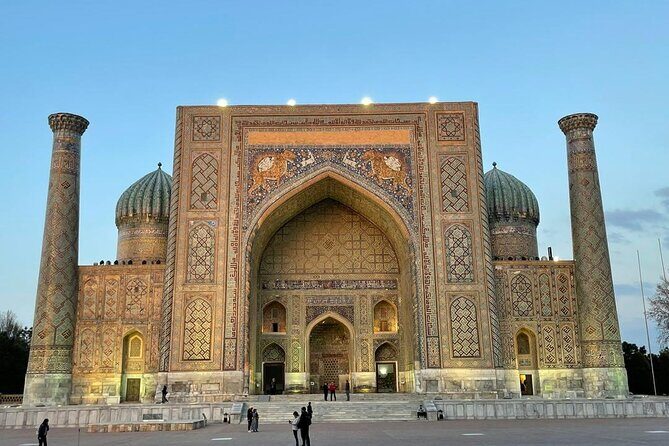
Samarkand can feel overwhelming if you’re trying to do it all on your own. This tour is built for focus: you get the major Timurid-era landmarks, plus one strong slice of daily life at the bazaar, all in a single coordinated day.
The “ancient and modern” idea isn’t just marketing. You’ll walk through stories that grew over time, then you’ll hit a site tied to modern memory at Hazrat Khizr, where a presidential burial connects the distant past to today.
It’s also practical. With a private group, you’re not fighting crowds for the best angles, and you can ask for timing changes if your day needs adjusting. That flexibility is one reason this kind of route works—because Samarkand’s highlights reward patience, and your schedule is usually more human when you’re not locked into a huge group.
Meeting at Gur Emir: how to start clean and on time
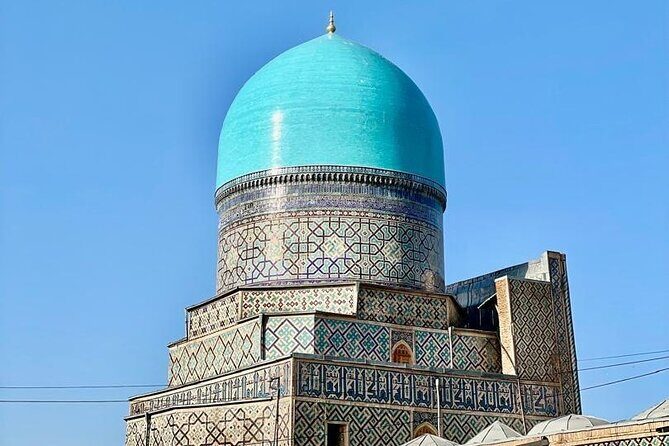
You meet at the entrance of Gur Emir Mausoleum, and that’s a smart anchor point. Starting here helps you build context fast, before you move into the grand squares and mosque spaces that can otherwise feel like separate postcards.
I’d treat the first minutes like a setup: take a moment to confirm where the guide is waiting, then get your phone/camera settings ready for bright tile work. Samarkand’s colors can be intense in full sun, so having sunglasses handy (and not just for comfort) makes a difference.
If you’re visiting in hot weather, the plan explicitly recommends an earlier start in summer. Do that if you can. You’re likely to get a calmer pace at the monuments and a more comfortable walk between stops.
You can also read our reviews of more tours and experiences in Samarkand.
Gur Emir Mausoleum: gilded interiors and the power behind Timur
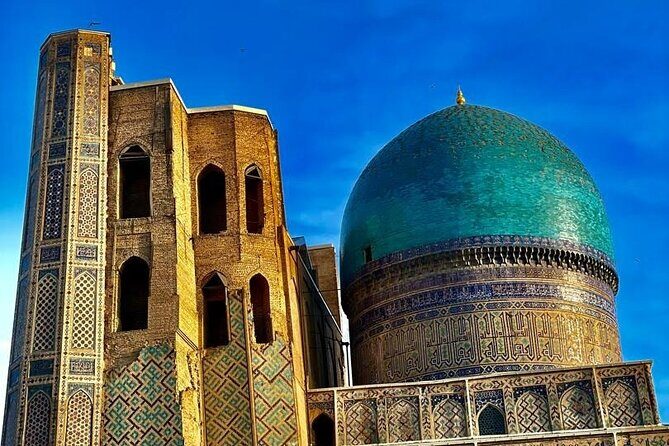
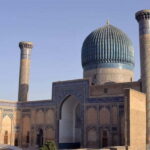
Gur Emir is the kind of place where details hit you in layers. It’s described as a medieval mausoleum with an interior decoration that’s gilded, built for Tamerlane and his male descendants. Even if you know the name, seeing how the design reinforces authority makes the story feel tangible.
Expect a mix of sacred atmosphere and impressive craftsmanship. The guide’s role matters here: the “legend” side of Samarkand becomes easier to grasp when it’s tied to what you’re actually looking at—how a mausoleum communicates status, memory, and belief.
Photography-wise, you’ll want to think beyond wide shots. Interiors and entrances often reward a slower angle, and a guide who knows the best viewpoints can save you from wandering around guessing.
The tram ride and why transport matters in a 5-hour day
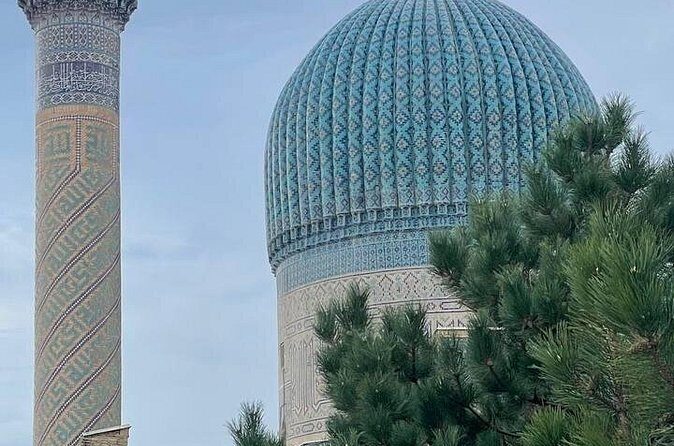
You don’t just hop between monuments—you get a planned city-ride segment (a tram stretch is built into the timing). In a short, 5-hour tour, transport isn’t a luxury. It’s what keeps you from losing the day to heat, walking fatigue, or transit confusion.
The tour also includes transport by sedan or minivan, which helps you move efficiently between the major clusters of sights. The combined effect is simple: more time looking, less time troubleshooting.
One extra tip: when you’re dropped off, don’t immediately rush into the first entrance. Use a minute to spot the light direction. Many of Samarkand’s best photo moments depend on whether you’re shooting into sun or out of it, and a few seconds of setup beats frantic repositioning.
Registan Square: Uzbekistan’s signature stage, with story behind the tiles
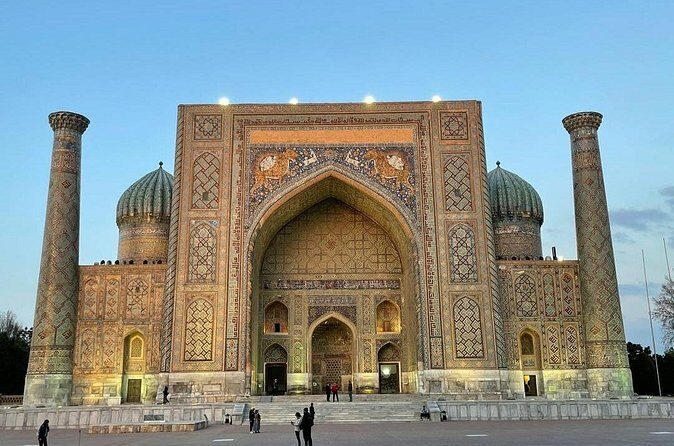
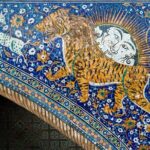
Registan is the city’s “visit card” for a reason. This is the kind of complex that defines how outsiders imagine Uzbekistan—and it earns that reputation. You’re seeing monumental architecture meant to impress, with a layout that feels like a stage: a place for power, ceremony, and public life.
What makes this stop work well on a guided route is context. You’ll hear the background tied to the Great Silk Road era and the Timur-related worldview, not just a list of what’s where. When the guide explains how these spaces functioned historically, you’ll understand why the surfaces, symmetry, and scale matter.
Practical photo advice: bring a lens or phone mode that can handle bright reflections. Those tile surfaces can look flat without the right angle. If your guide points out a particular corner or walkway, take it seriously—Registan rewards “small steps” more than big moves.
Bibi Khanym Mosque: scale you notice, history you remember
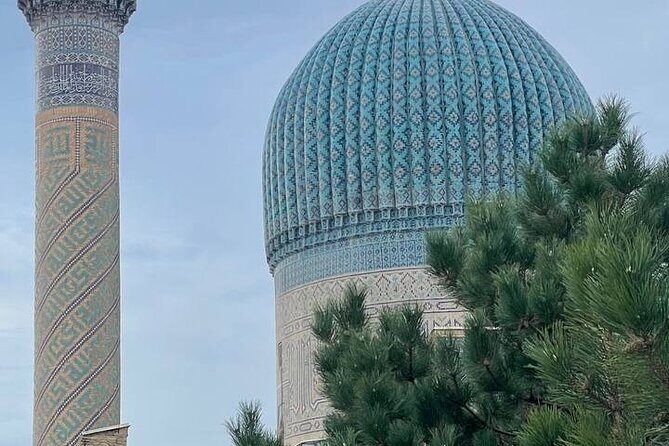
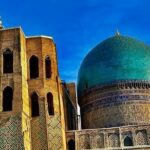
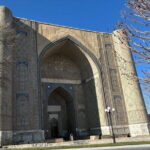
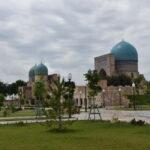
Bibi Khanym is the largest mosque in Central Asia, including Iran, and the tour frames it as built by Tamerlane’s beloved wife in honor of the victory over India. That backstory changes how you look at the mosque. You’re no longer seeing a big building. You’re seeing a political and cultural statement.
Expect a spacious, awe-producing feel. Even if you’ve visited other famous mosques, Central Asian mosque architecture has a specific rhythm—courtyards, entry approaches, and the way the design guides your attention.
Because this is a mosque, dress rules apply. There’s no strict dress code for general Uzbekistan, but for mosques you should look modest: cover legs and shoulders. Plan to wear something that you can move in comfortably, because you’ll likely spend time walking around and looking carefully.
If rain shows up, don’t panic. One past day in rainy conditions still kept the tour enjoyable, and starting earlier helped make the atmosphere feel extra special.
Central Bazaar Siyab: spices, fruit, and Samarkand bread
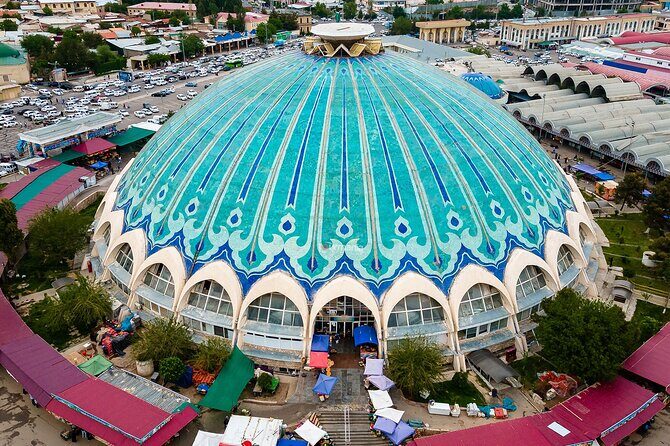
This stop is the reason the tour doesn’t feel like a museum sprint. Central Bazaar Siyab is described as an oriental bazaar with spices, fresh and dry fruits, and of course famous Samarkand bread.
I love this kind of break because it turns the day from “look at history” into “taste and see how people live now.” Even if you only buy a small snack or a loaf to share, you’re connecting the Silk Road theme to the real trading culture that still shapes the city.
Practical mindset: keep your camera/phone handy for color and textures, but also slow down enough to actually smell and look. Spices can create instantly photogenic scenes, especially at smaller stalls where heaps look almost sculptural.
If you’re curious about local food, ask your guide what’s worth trying during the time you have. Food and drinks aren’t included, so budget a little extra if you want to eat on-site.
Hazrat Khizr Mosque: a quiet bridge from ancient to modern
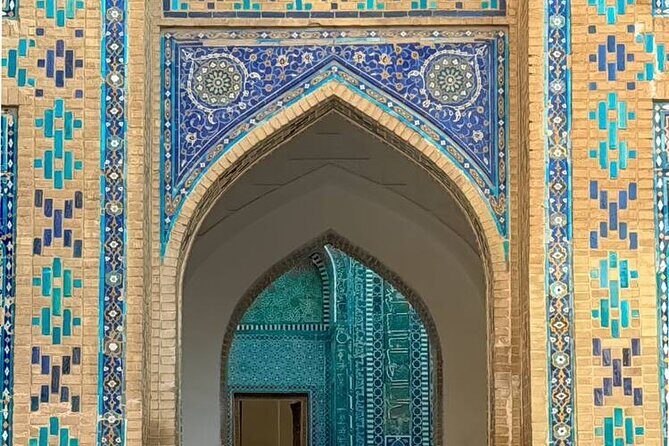
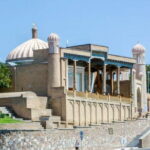
Hazrat Khizr Mosque is described as the first mosque of Samarkand, and it includes the burial of the first President of the Republic. That modern connection is the “modern” part of the ancient-and-modern theme, and it matters.
This stop tends to feel different from the bigger, more dramatic monuments. It’s not only about monumental architecture; it’s about how belief, community memory, and national identity overlap in sacred spaces.
Take a slower pace here. You’re in a place meant for respect, and a calm attitude helps you understand the setting. Also remember the modest dress rule still applies for mosque visits.
If you’re the type who likes comparing eras, this is one of the best places on the day to do it. You’ll see how the city keeps layering meaning rather than treating the past like a closed chapter.
Shah-i-Zinda: legends, mausoleums, and the joy of a guided walk
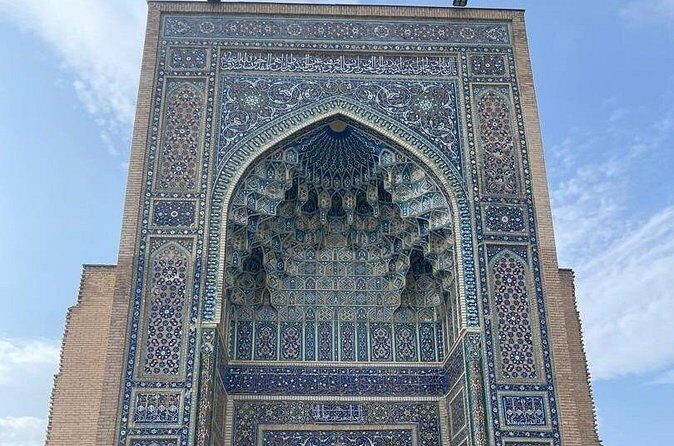
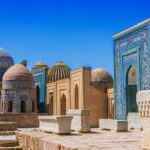
Shah-i-Zinda is a complex of about 20 mausoleums, and the tour description highlights it as tied to Tamerlane’s family (including a female tomb) plus a special religious link—described as the only place in Central Asia where a family relative person of the prophet is buried.
That kind of legend does something useful for your brain: it turns the route into a narrative. You’re not just moving from building to building. You’re following a storyline that explains why these spaces accumulated meaning over time.
Expect a walk that feels more intimate than the big square stops. This is the part of Samarkand where you can find strong texture shots—archways, tilework, and the way sunlight hits stone surfaces.
Photo guidance helps here too. If your guide is acting as your photographer, pay attention to how they frame angles and where they stand to minimize glare. One thing I really appreciate is when a guide gives you specific photo positions instead of just saying, Go there.
How the guide turns monuments into photos you’ll actually use
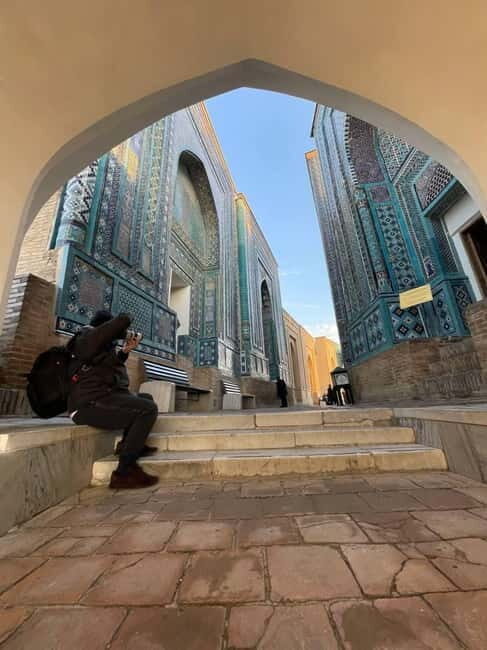
This tour’s biggest “value add” is the photo help. The tour description promises best photoshoot spots with guidance, and the experiences shared by previous guests point to guides who actively suggest where to stand and how to capture the monuments.
A helpful guide also does two things that make you feel smarter fast:
- They explain what you’re looking at in a way that sticks.
- They read your focus. If you’re interested in legends, they’ll lean that direction. If you want architecture, they’ll guide your gaze to the right details.
Some reviews mention guides who took photos themselves, while others highlight that the guide can switch between English and Russian so understanding doesn’t stall. There’s also a theme of flexibility—if you want to reorder the day slightly, a guide with a vehicle can make that easier.
My practical advice: bring a power bank if you shoot a lot. Tilework and long courtyards can drain phone batteries faster than you expect.
Price and what to budget when tickets are paid on the spot
The tour price is $40 per person for a 5-hour private experience with a professional guide (English and Russian) and transport (sedan or minivan). For many people, the value is the combination: a timed route through major highlights without the stress of organizing logistics yourself.
Just don’t treat $40 as the full cost. Entry tickets for the sites on the program aren’t included and are paid on the spot. Food and drinks also aren’t included, and accommodation is separate.
So here’s the budgeting mindset I’d use:
- Start with the $40 as your base for guide + transport.
- Set aside extra cash for entry tickets.
- Add a small amount for water and a quick snack if you want something during the bazaar stop.
If you like comfort and clear direction, this format usually feels worth it. If you’re traveling ultra-budget and prefer to handle everything solo, you might compare costs—but you’re also trading away the guide’s context and photo help, which is a big part of why this day works.
Who this tour suits best (and who should skip it)
This tour is a strong match if you want:
- A private guide who can tailor the pace to your interests.
- Major Samarkand monuments in a short window.
- A mix of architecture and everyday scenes at the bazaar.
- Photo direction, not just sightseeing.
It’s not a good fit for wheelchair users, and it isn’t suitable for people with pre-existing medical conditions or those who’ve had recent surgeries. Also note the rules: pets aren’t allowed, drones aren’t allowed, and keeping noise low is part of being respectful in sacred spaces.
If you’re traveling with kids or a group with mixed interests, the guide’s flexibility can help, but always think about pacing—mosque visits and mausoleum complexes can involve walking and time outdoors.
Should you book this Samarkand Ancient and Modern Tour with Transport?
Book it if you want a guided day that actually makes Samarkand feel connected. You’ll cover Gur Emir, Registan, Bibi Khanym, Siyab Bazaar, Hazrat Khizr, and Shah-i-Zinda, and the guide’s bilingual approach plus photo guidance turns the day into something you can remember.
Skip it if you’re only chasing one or two sites and you’d rather go at your own pace without paying for transport and a guide. In that case, the extra cost of tickets plus a guide might feel unnecessary.
If you do book: start earlier in summer when you can, wear modest clothing for mosque visits, and carry a little extra money for entry tickets and small bites. Then lean into the storytelling. Samarkand makes more sense when someone explains what the buildings meant, not just what they look like.
FAQ
Where is the meeting point for the tour?
The meeting point is the entrance of Gur Emir Mausoleum.
How long is this Samarkand tour?
The duration is 5 hours.
What is included in the tour price?
A professional guide (English and Russian), transport (sedan or minivan), and assistance 24/7 are included.
Are entry tickets included for the listed sites?
No. Entry tickets for the sites in the program are not included and can be paid on the spot.
What languages does the live tour guide speak?
The guide speaks English and Russian.
Is transport provided between stops?
Yes. Transport is included (sedan or minivan), and the plan includes a tram segment.
Can I choose or change the start time?
Your start time is as indicated when booking, and it can be changed by request of the traveler. Summer is recommended to start earlier.
What should I wear for mosque visits?
There’s no dress code for general Uzbekistan, but for mosques you’re expected to look modest by covering legs and shoulders.
Is the tour suitable for wheelchair users or people with medical conditions?
No. It is not suitable for wheelchair users, people with pre-existing medical conditions, or people with recent surgeries.
Are pets or drones allowed?
No. Pets and drones are not allowed, and making noise is also not allowed.