REVIEW · TASHKENT
6- Day Private Tour to Tashkent, Khiva, Bukhara and Samarkand
Book on Viator →Operated by Silk Road Tours · Bookable on Viator
Six days, four UNESCO cities, zero guesswork. This private Uzbekistan route stitches together Tashkent, Khiva, Bukhara, and Samarkand with scheduled flights and train rides, plus guided time at the big monuments so you don’t waste your days. I especially loved the door-to-door transfers (airport-to-hotel and station-to-hotel) and how the plan mixes major sites with real-life city stops like bazaars. One thing to keep in mind: the pace is full and early starts can mean you’ll be moving most days, and weather or border-formality days can add friction.
You’re paying for someone else to run the logistics, line up tickets and entry fees, and keep you on schedule. You’ll also have the freedom of a private group, so you can ask questions on the spot rather than just following the loudest voice in a crowd.
In This Review
- Key highlights you’ll actually feel on the trip
- Why this 6-day Uzbekistan loop works (even if you can’t see everything)
- Day 1 in Tashkent: arrival, hotel check-in, and a calm landing
- Tashkent Day 6: metro rides, bazaars, and the Independence and Earthquake memorials
- Khiva Day 2: Itchan Kala and the turquoise-tiling era
- The Khiva to Bukhara train day: real travel time on the Silk Road
- Bukhara Day 4: madrasas, mosques, domes, and the big fortress moment
- Samarkand Day 5: Registan’s scale plus bazaars and mausoleums
- The travel logistics that can make or break your week
- Price and value: what $765 covers in practice
- What I’d pack and how I’d plan your days
- Who this private tour is perfect for (and who should consider alternatives)
- Should you book this 6-day private UNESCO route?
- FAQ
- What is the price of the tour?
- How long is the tour?
- Is airport and station pickup included?
- What cities are included in the route?
- Are entrance fees included?
- Are train and flight tickets included?
- What food is included?
- Is a private group guaranteed?
- When does the tour start?
- What is the cancellation policy?
- Should I book?
Key highlights you’ll actually feel on the trip
- Private, city-to-city flow: airport pickup, hotel transfers, and guided excursions across four historic cities.
- UNESCO-focused planning: the itinerary hits the main sights you’d otherwise struggle to stitch together in one week.
- Real Silk Road travel time: a train day through desert scenery vibes, not just another transfer in a van.
- Included entry fees and guides: you walk in ready, with a local guide to explain what you’re seeing.
- Optional evening culture: a light show at Registan and a folklore show may be added if available.
- One included plov lunch: a meal stop built into the day so you don’t have to hunt for food under time pressure.
Why this 6-day Uzbekistan loop works (even if you can’t see everything)
This itinerary is built around one smart idea: you can’t fully cover Uzbekistan in six days, but you can cover the best-known UNESCO hits without turning the trip into a frantic checklist. You’ll spend time in Tashkent, then swing into the desert-side story of Khiva and Bukhara, and finally land in Samarkand for the most famous architectural set pieces.
I like that the tour isn’t trying to do “everything.” Instead, it concentrates on the monuments and ensembles that define each city. That makes the days feel purposeful, even when the schedule is tight.
You can also read our reviews of more private tours in Tashkent

Day 1 in Tashkent: arrival, hotel check-in, and a calm landing
On the first day, the only job is to get settled. The driver picks you up from Tashkent International Airport and transfers you to your hotel, with time to rest before the real sightseeing begins.
This matters more than it sounds. After a long flight, six straight days of museums and walking can wear you down fast. A lighter Day 1 helps you show up ready for Khiva and the desert cities later.
Tashkent Day 6: metro rides, bazaars, and the Independence and Earthquake memorials
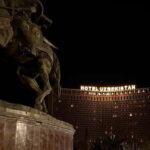
Your final day in Tashkent is the payoff day for city contrasts. You start with Amir Timur Square and the Amir Timur Museum, then move into the spiritual-historic zone at Khast Imam Square and the Ensemble Hazrati Imam area.
A couple stops here give the trip texture:
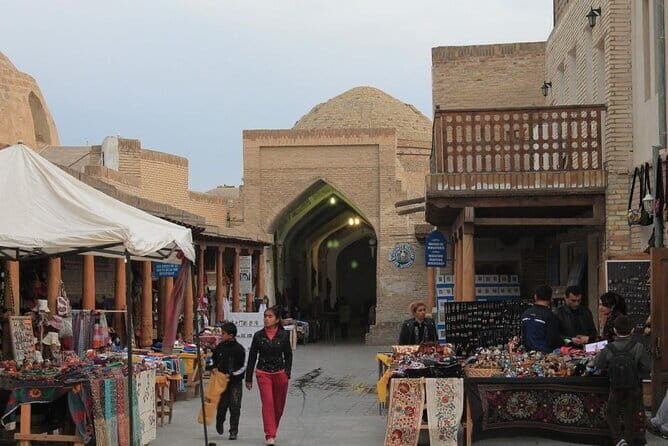
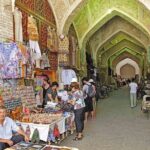
- Chorsu Bazaar: you get that everyday market feel, with food and daily necessities sold right where locals shop.
- Courage Earthquake Memorial: it marks the tragic date of the April 26, 1966 earthquake, built at the approximate epicenter. It’s sobering, and it helps you understand Uzbekistan as a living place, not just a postcard.
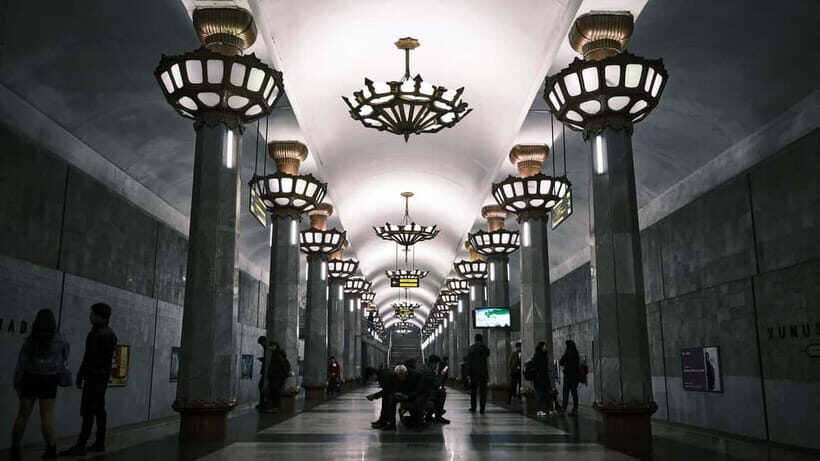
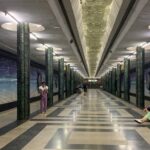
If you’re curious about modern design mixed with tradition, you’ll also get a look at Tashkent metro and the way station decoration is described as unique from one to the next. It’s not a “must see” anywhere else on Earth, but in Tashkent it turns into a small culture lesson.
The day also includes Independence Square (Mustakillik Square), plus a stop at Minor Mosque and the Museum of Applied Art (with over 4,000 decorative-art exhibits). Even if you don’t do every room, that’s a strong indoor option if weather decides to be dramatic.
Khiva Day 2: Itchan Kala and the turquoise-tiling era
Khiva is where Uzbekistan starts feeling like the edge of an old world. Most of the day happens inside Itchan Kala, the walled inner city you’ll hear described as the preserved heart of Khiva. It’s the kind of place where a single street can feel like you walked into a living museum.
Here’s what the Khiva schedule targets, and why it’s a good mix:
- Islam Khodja Complex: a major monument inside Itchan Kala and one of the earliest UNESCO-listed parts of Uzbekistan (listed in 1990).
- Kunya-ark Fortress (Citadel Kunya-ark): the residence area of the Khiva khans, built in the late 17th century.
- Kalta Minor Minaret: the story-driven stop. Even if you only catch the legend behind it, the design and meaning are what you’ll remember.
The pacing works well here. You get a long, immersive block of time in the fortress-city without having to constantly sprint between far-apart sites. With entry fees included, you can focus on watching the details—tilework, scale, and the way the city walls shape everything.
The Khiva to Bukhara train day: real travel time on the Silk Road
On Day 3, you shift from roaming old walls to riding the routes that used to move people and goods. After breakfast, you transfer to the Khiva railway station and take the Khiva–Bukhara regular train.
The itinerary sets aside a full day for this transfer and arrival. You’ll land in Bukhara around early evening and get hotel transfer and free time.
This is a good day to keep your plans simple. Your job is to relax, enjoy the view, and be ready for Bukhara’s long list of sights the next day. If you care about photo light, trains can give you unique angles as landscapes pass by.
Bukhara Day 4: madrasas, mosques, domes, and the big fortress moment
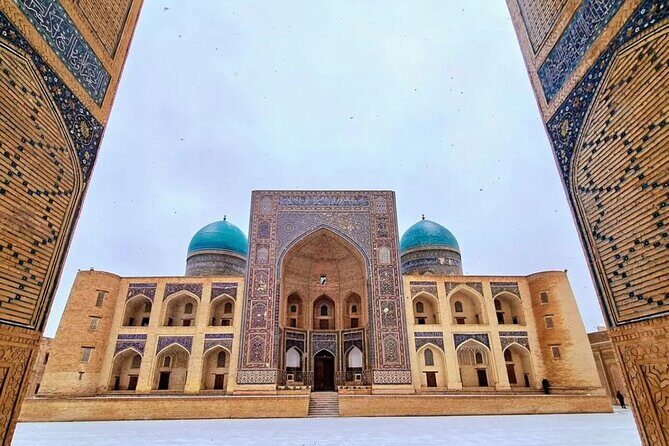
Bukhara is the city of ensembles. Instead of one building, you’ll feel clusters—religious complexes, market areas, and monumental civic structures that connect like a visual map.
Your guided lineup includes:
- Ulugbek Madrasah (built in 1417): the oldest surviving madrasah in Central Asia, tied to Mirzo Ulugbek.
- Bolo Hauz Mosque: notable for its front entrance pillars and the complex setting that includes a small pond described in the program.
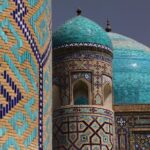
- Chor Minor Madrasah: the “four minarets” concept, with four pillars topped by blue domes.
- Ark of Bukhara: the fortress complex where you can spend about two hours exploring its many museums and spaces (the schedule notes several different museum types).
- Lyab-i-Hauz: a pool-centered ensemble with surrounding madrasas and the monument of Khodja Nasreddin.
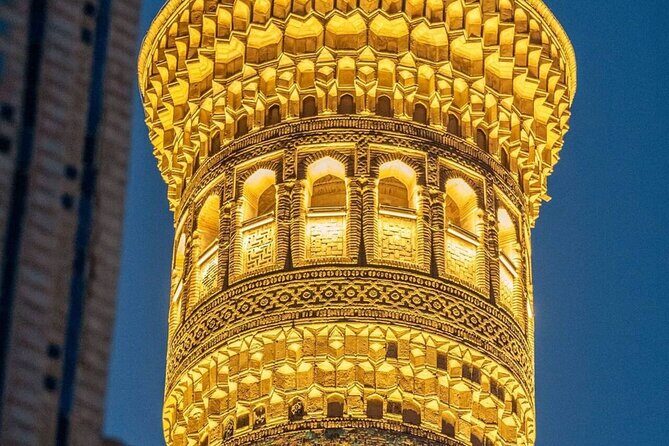
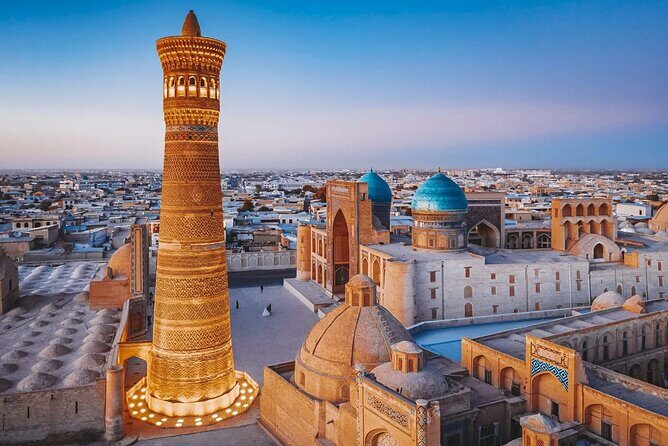
- Poi Kalyan Mosque and the Great Minaret of the Kalon: the tall landmark area tied to the Po-i-Kalyan complex.
- Mir-i-Arab Madrasah: still operational, including the shrine of Mir Arab.
This is also where the tour adds culture beyond “just monuments.” If available, you may get a folklore show in the Nadir Divan-Begi Madrasah, and you’ll have at least one included food moment: a lunch at Besh Qozon, described as the biggest plov place.
One practical note: Bukhara days can feel “busy” because the sites are close but the walking adds up. Wear shoes you trust.
Samarkand Day 5: Registan’s scale plus bazaars and mausoleums
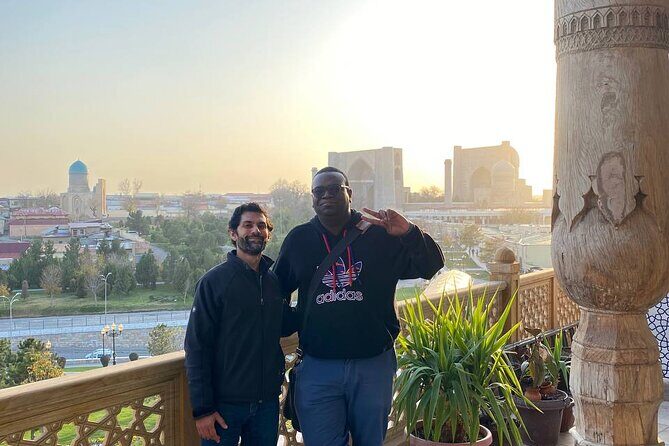
Samarkand is where the tour goes for the iconic trio: Registan, Gur-e Amir, and the major mosque ensembles around them.
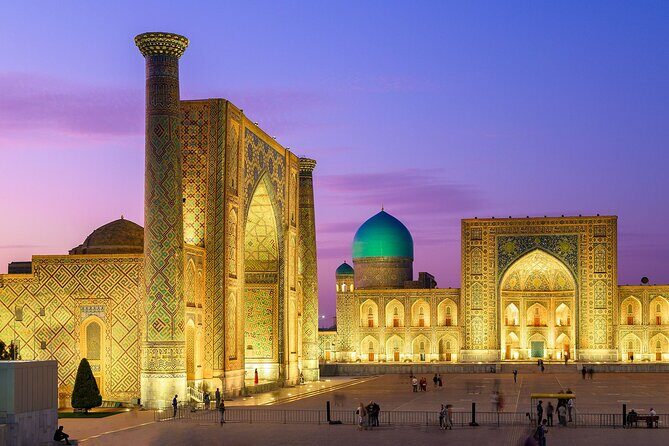
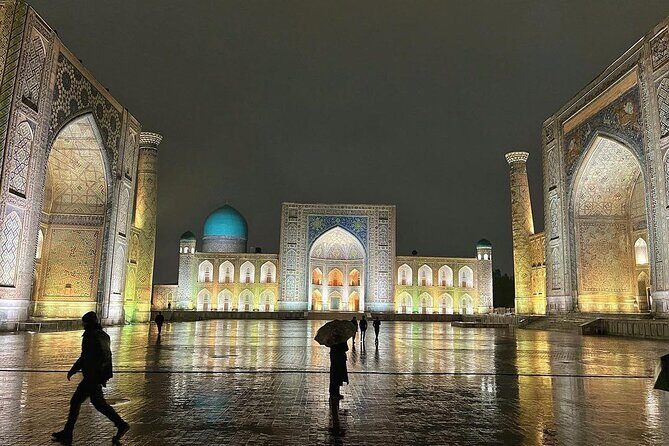
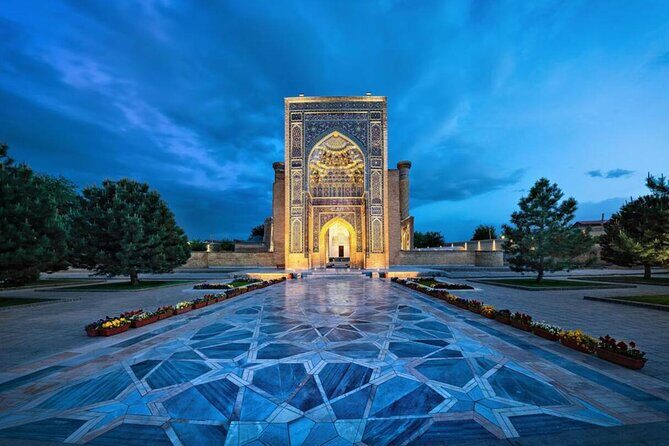
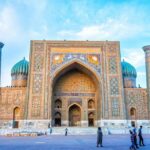
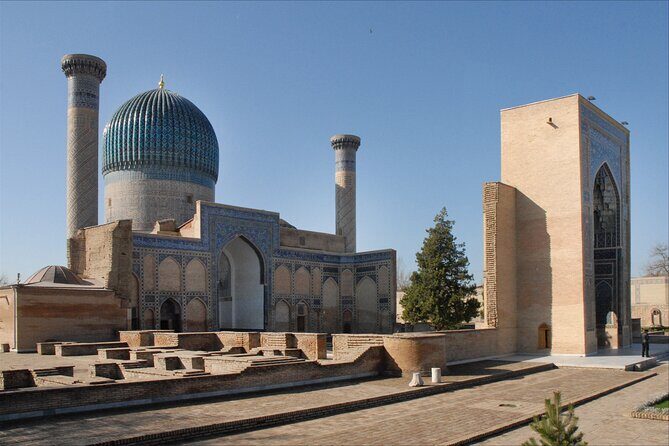
Your day starts with Gur Emir Mausoleum, the Tomb of Tamerlane. Then it moves to Registan, the famous medieval architectural centerpiece made up of three grand buildings:
- Ulughbek Madrassa
- Madrassa Sherdor
- Madrassa Tilla Kori
Next comes Bibi Khanym Mosque, described as one of the largest and most magnificent mosques in the Islamic world in its time. After that, you get Siyob Bozor, Samarkand’s largest bazaar, including everyday items and food stops like Samarkand naan.
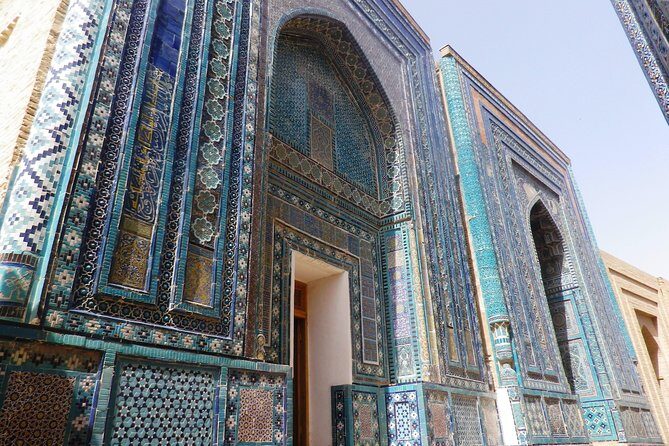
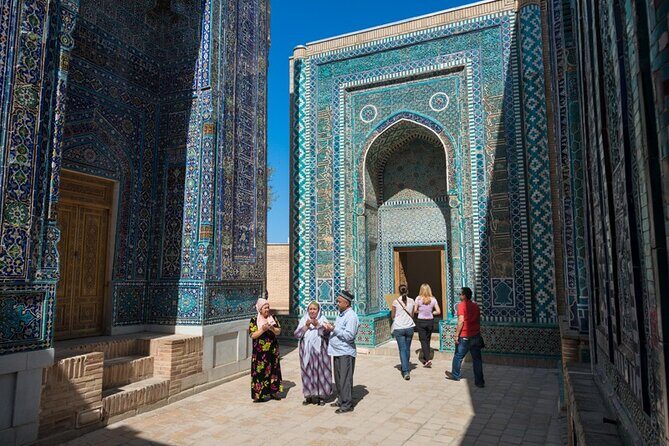
Then it’s onward to Shah-i-Zinda, an ensemble of mausoleums and ritual buildings across multiple centuries, and finally the Ulugh Beg Observatory, built in the 1420s.
Optional bonus: the schedule notes a light show with impressive sound at Registan if available. If you’re the type who likes taking a major site at different times (day vs. evening mood), that’s a nice extra.
The travel logistics that can make or break your week
This tour is built around included transport, but you should still know what’s moving where.
You’ll use:
- Air-conditioned vehicles for city and hotel transfers
- Domestic flight between Tashkent and Urgench on Day 2
- Train for the long legs (Khiva–Bukhara, and later Bukhara–Samarkand, then Samarkand–Tashkent)
Two details matter for planning:
- High-speed train availability can change. The tour notes high-speed train tickets may be unavailable if booked less than 60 days before departure. If that happens, it can be replaced with the most comfortable class regular train or transport.
- Early starts are part of the design. For example, Day 2 involves transferring to the airport at about 5:00 am and taking a flight in the morning. Day 5 includes a set transfer to the train station at around 18:00.
If you’re sensitive to schedule pressure, plan your evenings for recovery—don’t stack extra things right after you return to the hotel.
Price and value: what $765 covers in practice
At $765 per person for about six days, this is not a “budget only” style trip. But it’s also not paying for vibes alone. The itinerary includes a lot of operational costs that add up fast if you do them independently.
Based on what’s included, you’re paying for:
- 5 nights in best 3-star hotels
- Hotel-to-airport and station-to-hotel transfers
- A local guide plus an expert tour director
- Entry fees for the program sites
- Domestic flight (Tashkent–Urgench)
- Train tickets for the major segments (with high-speed where available)
- 1 included lunch in Besh Qozon
- Optional cultural extras like the Registan light show and folklore show if available
The value angle here is simple: your time is limited, and Uzbekistan’s “big sights” are not the kind of thing you want to assemble day-by-day on your own while figuring out trains, tickets, and who-knows-what else. This tour reduces that stress, and that has real worth.
What I’d pack and how I’d plan your days
Because the schedule is sight-heavy, go practical:
- Comfortable shoes for long walks inside walled cities and ensembles
- A layer for mosques and cooler weather shifts
- A small snack/water habit for the gaps between scheduled stops
- Room in your day for small delays, especially on travel days
There’s also a heads-up from the experience data about border crossings and weather. The program itself includes major transfers, and on days involving crossing points you should expect extra time if conditions are bad (like rain) and if you’re asked to walk through formalities.
Who this private tour is perfect for (and who should consider alternatives)
This is a strong match if:
- You’re short on time and want main sights only, done correctly
- You like having a guide explain what you’re looking at (so you don’t miss the point)
- You prefer private pacing and fewer random variables
- You want transport handled across multiple cities
It may be less ideal if:
- You want lots of free wandering time every afternoon
- You dislike early starts and tight daily schedules
- You prefer to design your own route without any fixed timing
If you’re a first-time Uzbekistan visitor, this is an efficient way to build a mental map fast: Tashkent for modern life and heritage, Khiva for walled-city romance, Bukhara for ensemble architecture, Samarkand for the big wow-factor.
Should you book this 6-day private UNESCO route?
I’d say yes if you want a smart, well-run circuit with private transportation, included guides, and entry fees that keeps your days focused. The itinerary hits the key UNESCO sites in each city, and the travel mix (flight plus trains) gives you variety without turning every day into a bus ride.
Skip it if you’re chasing a slow, loose travel style with lots of downtime. This is built for movement and scheduled sightseeing.
If you book, I’d ask the provider one quick question: what train class and timing you’ll have for the long leg, especially if you’re booking within that 60-day window. That one detail can affect comfort and how smoothly the last day feels.
FAQ
What is the price of the tour?
The tour price is $765.00 per person.
How long is the tour?
The duration is 6 days (approximately).
Is airport and station pickup included?
Yes. The tour includes transfers from hotel to hotel and full transportation services, and it includes pickup from the Tashkent International Airport on Day 1.
What cities are included in the route?
The tour includes Tashkent, Khiva, Bukhara, and Samarkand.
Are entrance fees included?
Yes. Entry fees for the sites on the program are included.
Are train and flight tickets included?
Yes. The itinerary includes a domestic flight ticket (Tashkent–Urgench) and train tickets for the planned route segments. The high-speed train component may change depending on how far in advance you book.
What food is included?
Lunch is included once (in Besh Qozon). Lunch and dinner are otherwise listed as not included.
Is a private group guaranteed?
Yes. It’s a private tour/activity, and only your group participates.
When does the tour start?
The meeting point/start time is listed as 7:00 am.
What is the cancellation policy?
Free cancellation is offered up to 24 hours in advance for a full refund.
Should I book?
If you want your Uzbekistan week to run cleanly—transport, tickets, and guides handled—this private 6-day loop is a strong choice. It’s structured, UNESCO-focused, and built to reduce the “what now?” moments that can eat your time. Just be ready for full days and early starts, and confirm train class timing if your booking is close to departure.