REVIEW · KHIVA
Tranfer Khiva – Bukhara via Ancient Fortresses
Book on GetYourGuide →Operated by Asli Travel · Bookable on GetYourGuide
A long drive can still feel like a story with chapters. This Khiva-to-Bukhara private transfer adds three Khorezm fortress stops, so you’re not just moving cities—you’re traveling through time. You’ll also ride through the Kizilkum area, with a day built around clay walls, desert air, and big-picture history.
Two things I really like: first, the fortress sequence makes sense (Toprakkala first capital, then Kizilkala as a garrison stop, and finally Ayazkala on the oasis edge). Second, the on-road pacing works for a full day—enough time at monuments, plus a lunch break where you can actually eat like a human.
One possible drawback to plan for: it’s a long day built around road time, and the sites are spread out. If you’re sensitive to cold or fatigue, bring warm layers and comfortable shoes, especially in winter.
In This Review
- Key Highlights You’ll Actually Care About
- Why This Khiva-to-Bukhara Transfer Feels Like a Day Trip, Not a Taxi Ride
- The Fortresses of Khorezm Oasis: What Ellikkala Means for Your Day
- Toprakkala: The Clay Fortress and the Earliest Khorezm Clues
- Kizilkala (Red Fortress): A Garrison Stop That Changes Your Perspective
- Ayazkala: Severe Frost Fortress, Oasis-Edge Defenses, and Cold-Steppe Reality
- Kizilkum Desert, Lunch Breaks, and Photo Time You Can Use
- Getting Around Comfortably: Private A/C, Driver Languages, and Pickup Details
- Timing: A 9-Hour Day That’s Built for Real Stops
- Price and Value: What $180 Gets You (and What Costs Extra)
- Driver and Communication: English/Russian Support That Keeps the Day Easy
- Who This Works Best For (and Who Might Skip It)
- Should You Book This Fortresses-to-Bukhara Day?
- FAQ
- How long is the Khiva to Bukhara transfer via fortresses?
- Where is pickup in Khiva?
- What fortresses are visited on the way?
- Does the route include the Kizilkum Desert?
- What is included in the price?
- Are entrance tickets included?
- Is lunch included?
- What languages does the driver speak?
- Is the vehicle wheelchair accessible?
- What should I bring?
- FAQ
- Can I cancel for a full refund?
- Are drinks or food allowed in the vehicle?
Key Highlights You’ll Actually Care About
- Toprakkala shows Khorezm’s early city planning with finds tied to statehood in the 4th century A.C.
- Kizilkala (Red Fortress) is a clay-colored stop with garrison-fort atmosphere on the way
- Ayazkala is remote and well protected, built along the oasis perimeter to guard against raids from the north
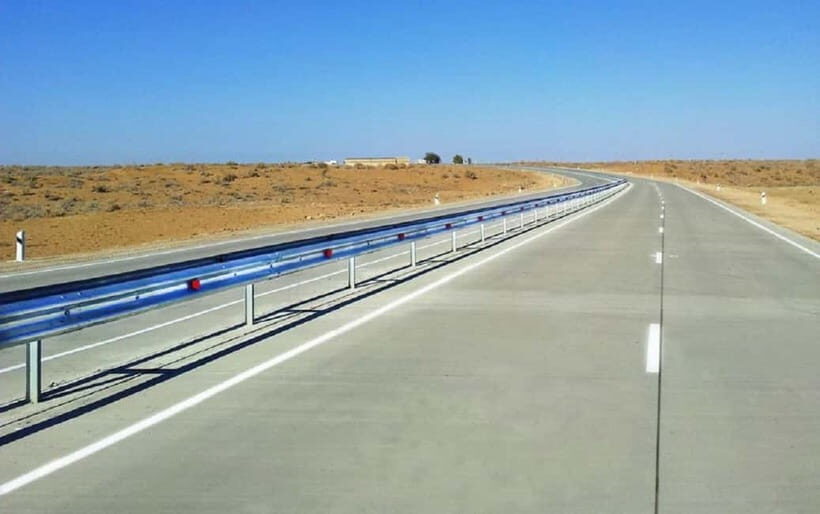
- Kizilkum Desert time adds a sense of place beyond the monuments
- Private A/C transport keeps the transfer comfortable, even when the day runs long
Why This Khiva-to-Bukhara Transfer Feels Like a Day Trip, Not a Taxi Ride
This is one of those smart Uzbekistan “in-between” experiences: you’re traveling from Khiva to Bukhara, but you’re also getting a curated day through the Khorezm Oasis fortress belt. Instead of spending money twice (transfer plus separate sightseeing), you roll the sightseeing into the same 9-hour block.
The route matters. You go from the first capital area of Khorezm to smaller defensive sites, then to the oasis-border fortress that was designed for hard conditions. That flow helps the day feel logical, not like random stops pulled from a map.
For most people, the best part is the combination of comfort and frictionless logistics. You get pickup at Ata darwaza (West gates) in Ichan Kala, or pickup from your hotel is allowed, and you end with drop-off in your Bukhara hotel. It’s a clean way to move cities without losing the chance to see real ruins.
You can also read our reviews of more tours and experiences in Khiva.
The Fortresses of Khorezm Oasis: What Ellikkala Means for Your Day
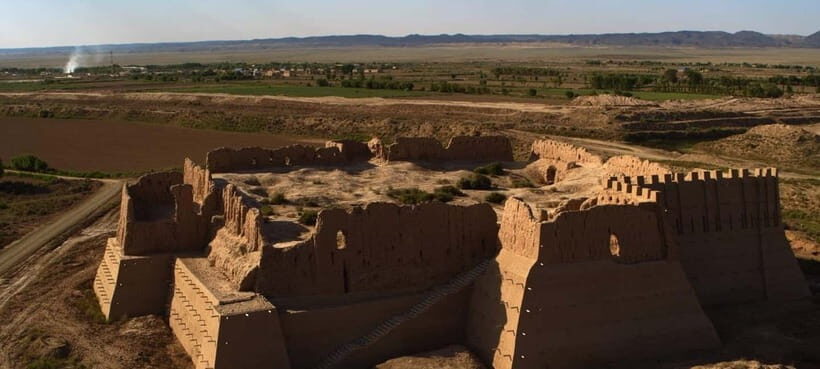
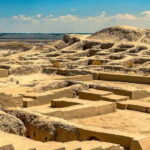
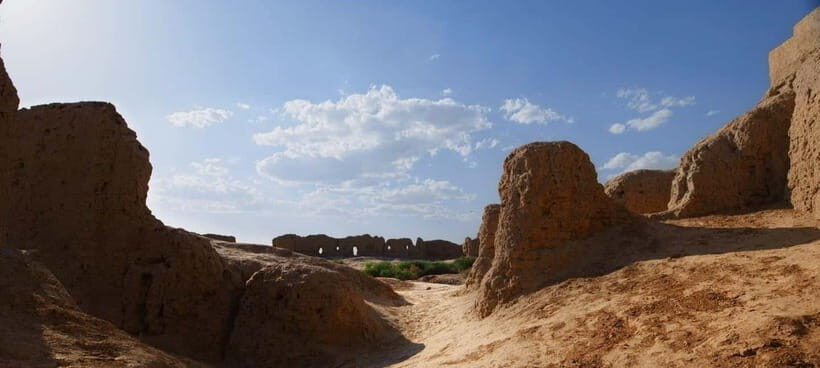
In ancient Khorezm, fortresses were so common that the region earned a nickname: Ellikkala, meaning 50 fortresses. When you visit Toprakkala, Kizilkala, and Ayazkala, you’re seeing why the oasis needed protection and organization.
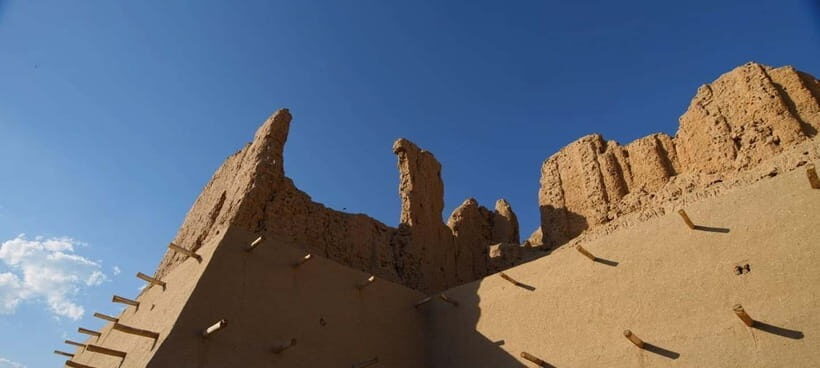
A key idea that helps you understand each site: these fortresses weren’t built just for decoration. Fortifications were placed around the oasis to protect communities from raids—especially from the north—when nomadic pressures were part of daily life. That’s why the fortresses feel practical. Even when you only see partial ruins, the locations and designs communicate purpose.
This tour gives you enough context to read the structures, not just take photos. You start to see the oasis as a defended system, not a single city plopped in the desert.
Toprakkala: The Clay Fortress and the Earliest Khorezm Clues
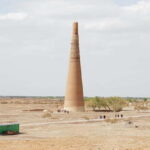
Toprakkala is the opening act—and it’s a strong one. It’s tied to the first capital of Khorezm, and the name connects to clay: Clay Fortress. That detail sounds simple until you remember you’re walking around a place where material and meaning go together. In an environment like this, clay isn’t just a building material. It’s how a society makes itself durable.
Why it’s important beyond the walls: finds from Toprakkala point to early planning and statehood. You’ll hear about evidence linked to the 4th century A.C., including early examples of city plan thinking. There are also reported finds such as a calendar and plaster statuettes of singers. Those last items are the kind of discoveries that shift ruins from “old rocks” to “people lived here with rituals, art, and schedules.”
What to expect in practical terms: bring your camera and plan to walk at a steady pace. Even if you’re not a hardcore archaeology person, Toprakkala gives you a satisfying introduction—like getting the backstory before the plot gets complicated.
Kizilkala (Red Fortress): A Garrison Stop That Changes Your Perspective

Between Khiva and Ayazkala, you’ll stop at Kizilkala, also called the Red Fortress. The name comes from the color of the clay—another reminder that the materials of the oasis are part of the story.
This stop is described as a garrison fortress along the route through the oasis. That changes the vibe compared with Toprakkala. Instead of focusing on the first capital’s broader civic role, Kizilkala feels like defense and logistics—an outpost that helped the oasis function as a protected zone.
If you’re thinking, Wait, why does a garrison fortress matter?—that’s exactly the right question. Kizilkala helps you connect the dots: the oasis didn’t survive because of one “main city.” It survived because of a network of smaller protective points.
In the real-world rhythm of a long day, Kizilkala also gives you a breather. It’s a meaningful stop without demanding the same level of “big-city” context as Toprakkala.
Ayazkala: Severe Frost Fortress, Oasis-Edge Defenses, and Cold-Steppe Reality
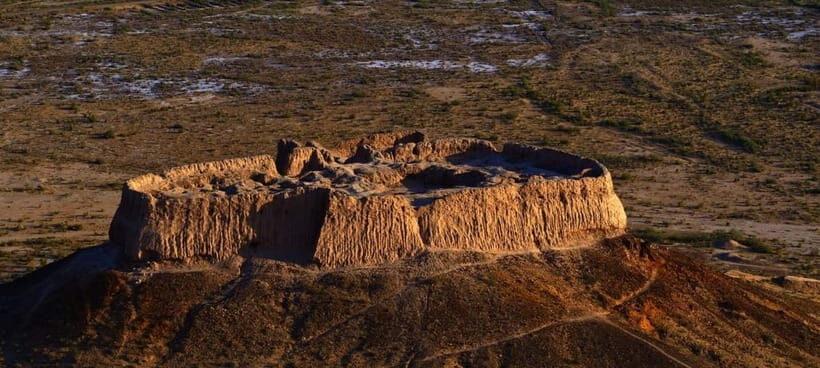
Ayazkala is the standout for many people, mainly because it’s tied to a more remote feeling and a tougher mission. The fortress name translates to Severe Frost Fortress—and that hint is more than a poetic label. It’s basically telling you: this place was built for brutal winter conditions.
Here’s the big idea you should keep in mind: Ayazkala is designed around the perimeter of the oasis borders to protect against raids from the north. It’s also described as consisting of three parts, which helps explain why even a half-ruined fortress can still look organized. The layout isn’t random; it reflects layered defensive planning.
Why the “cold” naming matters: the steppe cold is part of the fortress identity. If you’re visiting in winter, your understanding will click fast because the environment matches the meaning. If you’re there in warmer months, you’ll get the sense of isolation anyway—just with more comfortable walking.
Expect this to be the stop where you slow down a bit. The place can feel more exposed than the other fortresses, and that helps you picture why the oasis needed walls at all.
Kizilkum Desert, Lunch Breaks, and Photo Time You Can Use
This is a full-day transfer with structured stops. The route includes a planned lunch stop along the way (not included in the base listing, but there is an estimated stop for it). In practice, the lunch pause is what keeps the day from turning into a food-deprived blur.
One useful detail: in at least some cases, the day includes a chance to try fruit from local markets. Even a quick stop can be worth it here because the produce is local and seasonal. If you see a fruit market moment, consider it part of the cultural experience, not an interruption.
As for the Kizilkum Desert: you’re not doing a hiking trek, but you do get that sense of space during the drive. It’s the kind of backdrop that makes fortresses feel connected to the world they were defending.
Practical tip: wear layers. Even when it looks sunny, desert wind and winter cold can change fast. Comfortable shoes matter too—these ruins are not designed for flimsy soles.
Getting Around Comfortably: Private A/C, Driver Languages, and Pickup Details
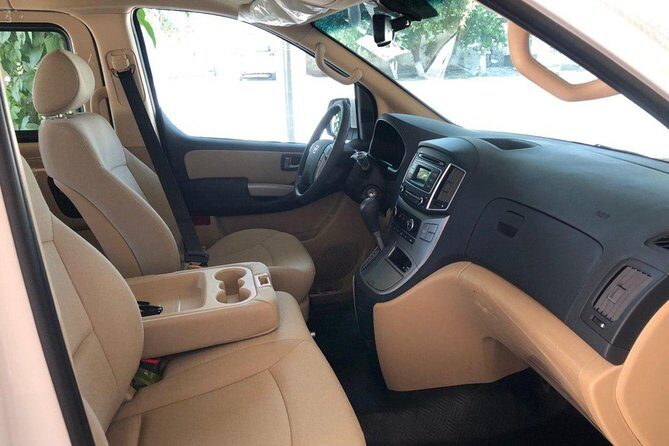
This is a private group transfer for up to 3 people, with A/C vehicle included. That’s a big deal in Uzbekistan because a long drive is easier when the car isn’t baking. You’re also not stuck waiting around with strangers.
Pickup is at Ata darwaza (West gates) in Ichan Kala, and pickup from your hotel is allowed too. That flexibility helps if you’re staying somewhere a short walk away or if you want to avoid gate-hunting.
The driver is provided in English and Russian. Some drivers may speak limited English but still communicate well enough to make the day smooth—especially with a planned route and clear stop times.
A small but important note: drinks aren’t allowed in the vehicle, and food isn’t allowed in the vehicle either. You can still bring your own water for staying hydrated, but plan how you’ll manage it during stops rather than sipping continuously in the car.
Timing: A 9-Hour Day That’s Built for Real Stops
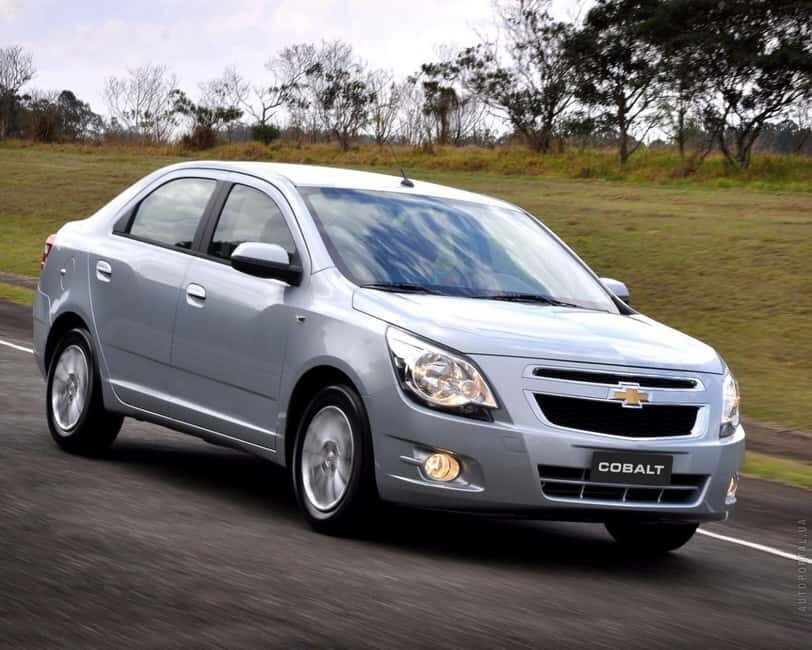
The duration is 9 hours, and it follows this logic: pickup in Khiva → drives toward Bukhara with fortress visits (Toprakkala, Kizilkala/Red Fortress, Ayazkala) → an estimated lunch stop → arrival in Bukhara and drop-off at your hotel.
The value here is not that the day is “short.” It’s that it’s structured so you don’t arrive in Bukhara exhausted and empty-handed. You get monument time inside a transfer day, which is often the hardest part of city-to-city travel.
Also note that you’re visiting multiple sites in a single block. That means you’ll want to pace yourself with water breaks and a camera rhythm: take your wide establishing shots first, then slow down for details once you’re in “no-rush mode.”
Price and Value: What $180 Gets You (and What Costs Extra)
The price is $180 per group for up to 3 people, and the duration is 9 hours. That pricing structure matters because private transfers can get pricey fast—so combining private transport with three fortress visits is where the value comes from.
What’s included:
- A/C vehicle
- Pick-up and drop-off
- Visits to Toprakkala, Kizilkala, and Ayazkala
- All fees and taxes (for the included services)
What’s not included:
- Entrance tickets, usually around 1–2 USD per monument per person
- Other personal expenses, including anything beyond the listed program
- Lunch isn’t listed as included, so expect to pay for your meal at the lunch stop
So your “real budget” is usually close to the transfer cost plus small entrance fees, plus whatever you choose for lunch. If you’re traveling as a small group, this setup is often a strong deal because it avoids the cost of hiring separate transport for each stage.
One more practical point: the transport quality is a major selling point. The day is rated highly for transport comfort and smoothness—meaning fewer stress moments on the road.
Driver and Communication: English/Russian Support That Keeps the Day Easy
Because the sites are outside the city rhythm, a good driver can make a difference in how smoothly the day runs. The program includes a driver who can speak English or Russian, and in some cases you may find drivers who communicate warmly even if English isn’t perfect.
If your language skills are limited, this still works. The route is planned, pickup points are clear, and the stops are fixed. Your job is mostly to show up on time, wear good shoes, and bring your camera and warm clothes.
If you want to get more out of the day, ask quick questions as you arrive at each fortress. Even a short answer—why a site was important, what the name suggests—can change how you look at the ruins.
Who This Works Best For (and Who Might Skip It)
This tour is a great fit if you want:
- A private Khiva-to-Bukhara transfer that includes meaningful stops
- A day focused on fortresses and oasis defenses, not just city monuments
- An efficient way to see multiple sites without hiring separate transport each time
- A comfortable ride with A/C and hotel-to-hotel drop-off in Bukhara
You might consider another option if:
- You dislike long road days (this is 9 hours with multiple stops)
- You’re not comfortable walking on uneven, ruin-level ground
- You’re expecting a lot of guided museum-style time at every stop (the day is built around fortress viewing and transfer pacing)
Winter visitors should pay special attention to warm layers. Ayazkala’s name is built around the idea of harsh cold, and it can be very noticeable in season.
Should You Book This Fortresses-to-Bukhara Day?
I’d book it if you’re doing Khiva and Bukhara as part of the same trip and you hate wasting travel time. This is one of those rare “transfer days” that turns into a real experience. The fortress order makes the day feel connected, and the private A/C ride keeps it comfortable.
Book it especially if you’re traveling in a small group (up to 3) and you want value without sacrificing logistics. The entrance fees are low compared to the overall cost, and you’ll end the day in Bukhara with a hotel drop-off rather than figuring out the next step yourself.
Skip it if you’re trying to keep the itinerary ultra-slow or if you’re planning to rest heavily on travel days. This day is designed for movement and viewing, not for recovery.
FAQ
How long is the Khiva to Bukhara transfer via fortresses?
It runs about 9 hours.
Where is pickup in Khiva?
Pickup is at Ata darwaza (West gates) in Ichan Kala, and pickup from your hotel is also allowed.
What fortresses are visited on the way?
Toprakkala, Kizilkala (Red Fortress), and Ayazkala.
Does the route include the Kizilkum Desert?
Yes, the day includes time tied to the Kizilkum Desert area during the drive.
What is included in the price?
An A/C vehicle, pickup and drop-off, visits to the listed fortresses, and all fees and taxes for the included program.
Are entrance tickets included?
No. Entrance tickets are not included and are typically around 1–2 USD per monument per person.
Is lunch included?
The program includes an estimated stop for lunch along the road, but it is not listed as included.
What languages does the driver speak?
The driver speaks English and Russian.
Is the vehicle wheelchair accessible?
Yes, wheelchair accessibility is listed.
What should I bring?
Bring comfortable shoes and a camera. If you’re visiting in winter, bring warm clothing too.
FAQ
Can I cancel for a full refund?
Yes. Free cancellation is available up to 24 hours in advance for a full refund.
Are drinks or food allowed in the vehicle?
Drinks in the vehicle and food in the vehicle are not allowed.