REVIEW · BUKHARA
A Complete Chapter To Old Bukhara
Book on Viator →Operated by Guide Hamza · Bookable on Viator
Old Bukhara comes alive on foot. What makes this one feel different is the way you connect the buildings to the culture, not just the postcard views, with Hamza’s clear, detailed explanations as your thread. I especially liked the focus on major sites like Bolo Hauz Mosque and the Great Minaret of the Kalon, and how the route keeps you moving through the city center without dragging your day out. One thing to consider: it’s a walking tour and some stops (like the carpet museum and a few madrasas) are not included in the ticket price.
This is built for people who want their bearings fast. You start near the Magoki Attori area (by the carpet museum), then work your way through the historic core in a small group with a maximum of 10, which makes it easier to ask questions as you go. A mobile ticket also keeps things simple once you arrive in Bukhara.
At the end, you finish near the Ismail Samani Mausoleum, with time to explore the nearby bazaar if it’s open. That last stretch is a nice payoff after the architecture—because Old Bukhara isn’t only stone, it’s daily life.
In This Review
- Key highlights worth knowing
- Old Bukhara makes sense when you walk it as a chapter
- Starting at Magoki Attori: where the tour starts and how you’ll feel the route
- Bolo Hauz Mosque: the first included ticket moment you’ll appreciate
- Ark Bukhara and the fortress feeling of Old Bukhara
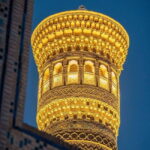
- The Great Minaret of the Kalon and Ulugʻbek madrasasi
- Magoki Attori Mosque and carpet museum: what to do if you like crafts
- Kosh Madrasah and Abdulaziz-Khan Madrasah: quick looks that should still teach you
- Another Great Minaret moment and Mir-i-Arab Madrasa: the tour stays focused
- Ending at Ismail Samani Mausoleum and the bazaar time you can use
- Price and value: what $55 buys you in the real world
- Group size, pacing, and weather: the practical side of a short walking tour
- Who should book this Old Bukhara walking chapter
- Should you book A Complete Chapter To Old Bukhara?
- FAQ
- FAQ
- How long is A Complete Chapter To Old Bukhara?
- Where does the tour start and end?
- What is included in the tour price?
- Do I need to pay for mosque or madrasa entrances?
- Is transport included?
- Is coffee or tea included?
- How many people are in the group?
- Can I cancel for free?
Key highlights worth knowing
- Hamza’s explanations that turn landmarks into stories you can actually remember
- A tight walking route through major Old Bukhara sights in about 3–4 hours
- Some admission tickets included, including Bolo Hauz Mosque
- Free to view stops mixed with optional paid interiors (carpet museum and some madrasas are not included)
- Small group size (up to 10), so the tour doesn’t feel rushed
- Finish near Ismail Samani Mausoleum with time to check the bazaar area
Old Bukhara makes sense when you walk it as a chapter
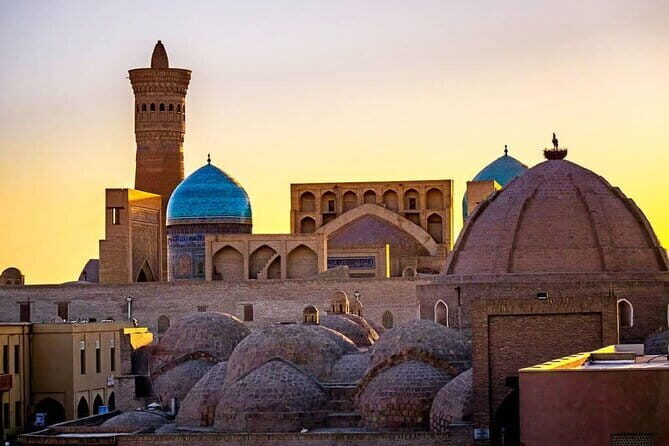
If you’ve only seen Bukhara from a distance, the real lesson is this: the city reads like a story, and it’s easiest to follow on foot. This tour is designed around that idea—moving from landmark to landmark with a guide who helps you connect what you’re seeing to how people lived, prayed, studied, and traded.
I like tours that don’t pretend every stop needs 45 minutes. Here, the pacing is practical. You get quick orientation at multiple sites, then the guide’s commentary gives you the meaning you’d otherwise miss while just snapping photos.
The best part is that you’re not stuck in transport after transport. It’s mostly walking through the city’s historic core, which is exactly how you’ll want to experience Old Bukhara anyway.
You can also read our reviews of more tours and experiences in Bukhara.
Starting at Magoki Attori: where the tour starts and how you’ll feel the route
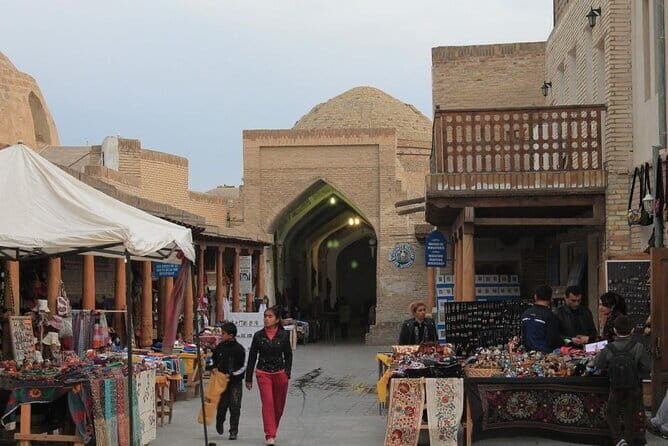
You meet at Magoki Attori Mosque and the carpet museum area, on Mektar Anbar Str. 55. That’s a smart starting point because it puts you right in the middle of where things feel active and old at the same time.
From there, expect an “open your eyes” start. The guide’s job here is to help you look past the obvious—so when you reach the next complex, you’re already thinking about the purpose of each space. You’ll also learn how to spot the differences between the shapes and functions of mosques and madrasas, even when you’re seeing only exteriors or short viewpoints.
Do note one practical detail: the carpet museum here is not included in the tour price. You’ll still see the area and the mosque context, but if you want the museum side, you may need to pay separately on the day.
Bolo Hauz Mosque: the first included ticket moment you’ll appreciate
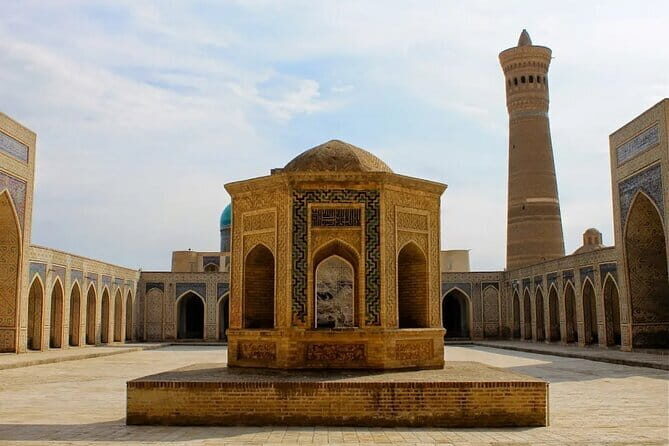
One of the clearest value wins is the stop at Bolo Hauz Mosque, which includes an admission ticket. Even if you’re not the type who loves religious architecture just for its own sake, this is where the guide’s commentary matters.
You’ll get a brief, focused visit—think of it as a fast primer. The goal is to help you understand why this mosque matters within Old Bukhara’s religious map, and what to pay attention to so the rest of the tour doesn’t turn into a blur of domes and arches.
Short stop length is a double-edged sword. It’s great for keeping momentum, but if you want long, slow photo time, you’ll need to treat this as a “set the baseline” moment and then plan a return later on your own.
Ark Bukhara and the fortress feeling of Old Bukhara
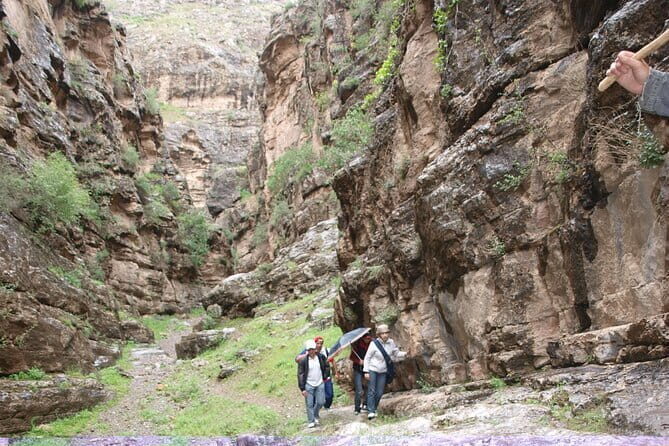
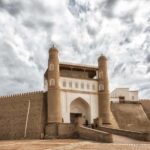
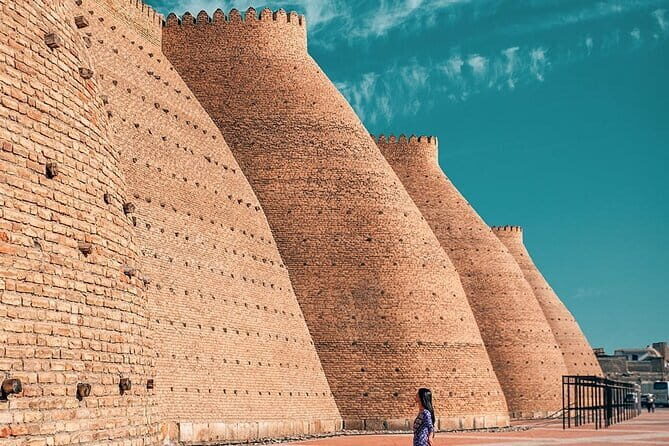
After Bolo Hauz Mosque, you’ll move toward Ark Bukhara. This is the type of place that helps you shift your mental lens. Up to this point, you’re mostly in the “worship and study” zone; Ark is where you start thinking about power, administration, and the city’s larger story.
What I like about including Ark in a short walking chapter is that it breaks the rhythm. You get more variety than a route that only cycles through madrasas and mosques.
Your takeaway at this stop should be simple: Bukhara didn’t run on one kind of building. It ran on a system—religion, education, and governance all sitting close enough that you can feel their relationship while walking.
The Great Minaret of the Kalon and Ulugʻbek madrasasi
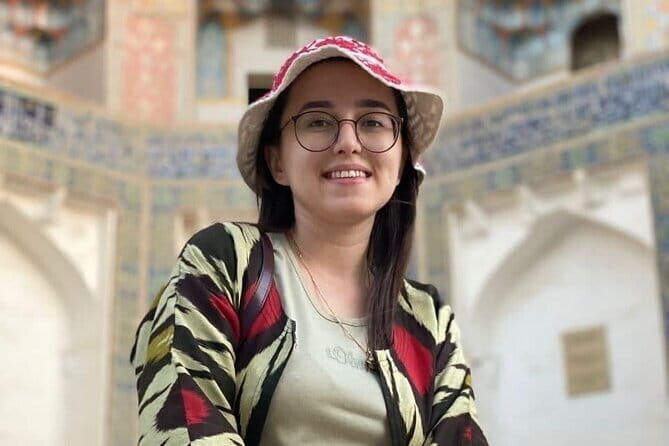
Next comes the Great Minaret of the Kalon and then Ulugʻbek madrasasi. The route includes moments where viewing is free, which is handy because it lets you focus on what the structures look like and how they relate to the larger complex.
The minaret stop is one of the experiences you’ll remember because it gives you a vertical landmark for the whole city center. When you see it in context, the rest of the route makes more sense. The guide’s job is to show you how these elements were designed to be read—visually and socially—across the city.
Ulugʻbek madrasasi adds an educational angle. Even if your background in Central Asian history is light, you’ll leave with a better sense of why madrasas weren’t just “schools.” They were part of a prestige system and a way of organizing knowledge and community life.
Because some of these stops are brief, you’ll want to come prepared to look fast. If you go in thinking, “I’ll photograph everything,” you’ll miss what the guide is pointing out.
Magoki Attori Mosque and carpet museum: what to do if you like crafts
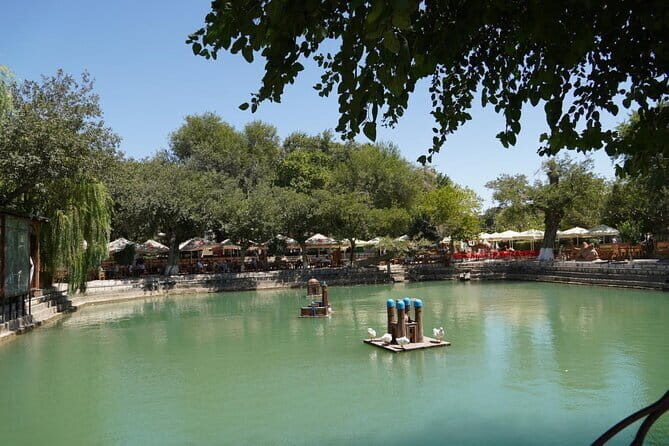
Later in the route, you’re back at Magoki Attori Mosque and the carpet museum area. The key detail: the admission for that museum is not included, so you’ll be deciding on the spot whether it’s worth your time and money.
This is a good place for you if you like material culture—things you can touch, understand, and compare. A carpet museum visit can give you a different kind of insight than another mosque stop, because it turns history into everyday design and craft.
If you skip the museum, don’t worry. The guide still helps you place Magoki Attori in the broader Old Bukhara setting. You’ll still get a guided explanation that doesn’t depend on paying for the museum side.
The main drawback here is that the schedule is tight. You might find yourself wishing you had more time in a single room or exhibit, especially if you’re a slow reader of details.
Kosh Madrasah and Abdulaziz-Khan Madrasah: quick looks that should still teach you
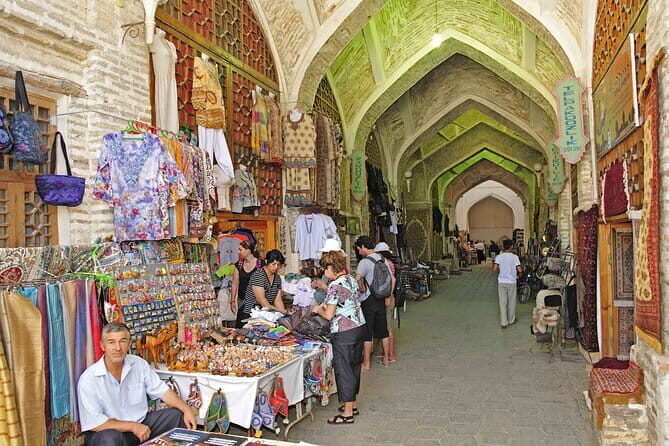
Then the tour shifts into short “see around” moments at places like Kosh Madrasah and Abdulaziz-Khan Madrasah. These are listed as not included for admission, and the time is short.
I actually like this approach if you want a guided snapshot of Old Bukhara without spending half a day buying tickets one by one. You see enough to recognize the style and understand the role these madrasas played. But you should expect mainly exteriors and viewpoints—not long interior stays.
If you’re the type who hates being rushed, treat these stops as orientation. Plan to revisit the interiors later during free time if any of them grab you.
Another Great Minaret moment and Mir-i-Arab Madrasa: the tour stays focused
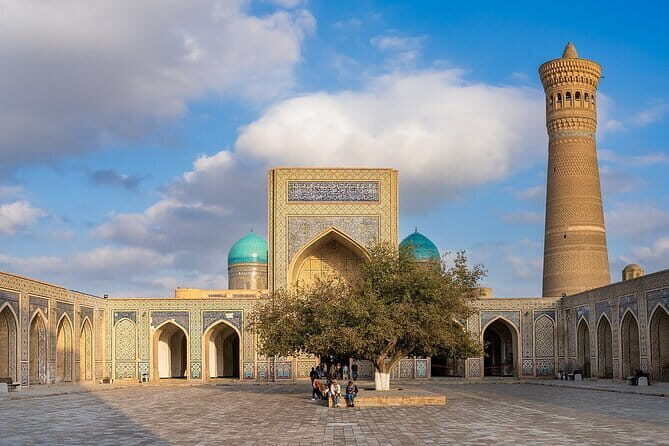
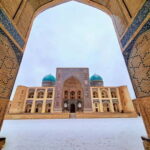
The itinerary brings you back again to the Great Minaret of the Kalon area and also through Mir-i-Arab Madrasa (again with admission not included). This repetition isn’t a mistake in pacing—it’s a chance to see the landmark from slightly different angles and to let the guide connect the building to what you’ve already learned.
Mir-i-Arab madrasa is the kind of stop that works well in a guided walking route because you’re not only looking at architecture—you’re seeing how Old Bukhara’s education and religious life overlap in everyday space.
At this stage, the tour is less about collecting new stops and more about cementing meaning. If you’re paying attention, you start seeing patterns: how complexes are grouped, how the city’s layout supports movement, and how buildings “talk” to each other.
Ending at Ismail Samani Mausoleum and the bazaar time you can use
The tour finishes near the Ismail Samani Mausoleum, close to the local bazaar of Bukhara. That’s a practical way to end: you’re not just dropped at a monument and sent away. You finish where you can actually spend your time afterward.
If the bazaar is open, you’ll have time to explore it. This matters because Old Bukhara isn’t only an architectural circuit. It’s a living market city, and the bazaar is where the past and present share the same sidewalk.
This ending also helps you avoid the common problem with city walking tours: you’re often stuck with your best time still ahead but you don’t know where to go. Ending near the bazaar gives you an easy, natural next step.
Price and value: what $55 buys you in the real world
The price is $55.00 per person for a 3 to 4 hour guided walking experience. For a central Bukhara walk with a trained guide, that’s a fair deal—especially because it includes the guide service and some admission coverage, plus help if you need anything else during your day.
Here’s what you’re really paying for: clarity. Hamza’s explanations are repeatedly praised for being detailed and easy to follow, and in a city like Bukhara, that’s not a luxury. It’s the difference between seeing buildings and understanding them.
What’s included:
- Guide service and walking tour
- 24/7 support
- Help with other bookings and general support
- Some admission tickets depending on the stop
What’s not included:
- Transport
- Coffee and/or tea
- All fees and taxes (and specific sights like the carpet museum and several madrasas are listed as not included)
So plan your budget like this: $55 covers the guided chapter plus select entries, but if you want every interior and museum option, you may pay extra along the way. Also, since transport isn’t included, you’ll want to arrive near the start point already positioned in the old city area or ready to take local transit to get there.
Group size, pacing, and weather: the practical side of a short walking tour
This is capped at a maximum of 10 travelers, which makes a real difference. With a small group, the guide can slow down when you’re asking questions and speed up when you’re keeping pace. It also means the tour stays manageable even though there are multiple stops.
The duration is approximate, about 3 to 4 hours, and it depends on walking pace and the day’s flow. You’re looking at short visits, not long museum-style stays at each location. That’s great for getting a strong overview, but it means you’ll want to treat this as the foundation rather than the full immersion plan.
Weather matters. The experience requires good weather, so if conditions are poor, the plan may shift with a different date or a refund.
Who should book this Old Bukhara walking chapter
Book this if you:
- Want a guided route through key Old Bukhara landmarks without building your own itinerary from scratch
- Like history that’s explained in plain language while you’re standing in front of the building
- Prefer walking over buses, and you’re happy with a mix of included and optional admissions
- Enjoy small-group tours where you can actually ask questions
You might skip it if you:
- Need long sit-down time at museums and religious interiors
- Dislike walking between multiple stops
- Know you only want one or two sights and would rather spend the day on your own at those spots
Should you book A Complete Chapter To Old Bukhara?
Yes, if your goal is to understand Old Bukhara in a few hours, not just collect photos. The route hits big names like Bolo Hauz Mosque, major Kalon-area landmarks, Ulugʻbek madrasasi, and the finish near Ismail Samani Mausoleum, and the guide’s style is a big part of the value. With a small group and clear explanations, it’s the kind of tour that helps you leave knowing what you saw and why it matters.
If you’re budget-conscious, look at your priorities before you go. Since the carpet museum and several madrasas are not included, decide in advance whether you want those optional interiors. If you do, you’ll get even more out of the day.
FAQ
FAQ
How long is A Complete Chapter To Old Bukhara?
The tour runs about 3 to 4 hours, and the timing can vary because it’s a walking tour.
Where does the tour start and end?
It starts at Magoki Attori Mosque and the carpet museum, on Mektar Anbar Str. 55, Bukhara. It ends near the Ismail Samani Mausoleum, close to the local bazaar (and you may have time to explore it if it’s open).
What is included in the tour price?
Included are the guide service, a walking tour, 24/7 support, and help with other bookings or other needs. Some admission tickets are also included depending on the stop.
Do I need to pay for mosque or madrasa entrances?
Some stops include admission, and some are free to view, but others are not included (including the Magoki Attori Mosque and carpet museum area, Kosh Madrasah, Abdulaziz-Khan madrasah, and Mir-i-Arab Madrasa).
Is transport included?
No. Transport is not included.
Is coffee or tea included?
No. Coffee and/or tea are not included.
How many people are in the group?
The tour has a maximum of 10 travelers.
Can I cancel for free?
Yes. You can cancel for a full refund up to 24 hours in advance. The tour also requires good weather, and if it’s canceled due to poor weather, you’ll be offered a different date or a full refund.